

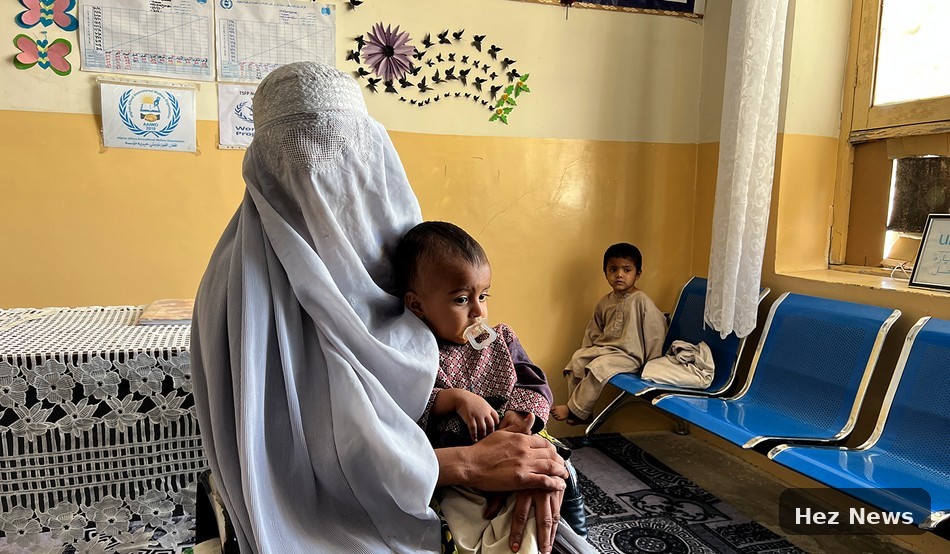
In recent months, Afghanistan has been plunged into a severe humanitarian crisis, with reports indicating that millions are facing acute hunger. A visit to a clinic in Herat revealed a heartbreaking scene: women waiting in long corridors, cradling their emaciated children. Many of these young ones are suffering from severe malnutrition, and tragically, some may not survive.
The Scale of the Crisis
According to humanitarian organizations, nearly 23 million people in Afghanistan are grappling with food insecurity, a situation exacerbated by ongoing conflict, economic instability, and the aftermath of the Taliban's return to power. As winter approaches, the situation is expected to worsen, with families struggling to access basic necessities.
Global Response and Local Impact
Despite the dire circumstances, the international community appears to be largely indifferent. While aid agencies have made efforts to reach those in need, funding shortages and political complexities hinder effective responses. For Nigerians, this crisis is a stark reminder of the importance of international solidarity and the need to support humanitarian efforts across the globe.
The Role of Nigeria and Global Cooperation
Nigeria, as a significant player in African politics, has a role to play in fostering international cooperation to address humanitarian crises. With its history of dealing with its own challenges, including food insecurity and internal displacement, Nigeria could advocate for more robust global action to support affected countries like Afghanistan.
Conclusion
The plight of Afghan families, especially children, should not be ignored. As the world watches, it is crucial for nations, including Nigeria, to unite in their response to this humanitarian disaster. Solidarity and action can help alleviate the suffering of millions and ensure that no child is left to face starvation alone.




Leave a Comment