

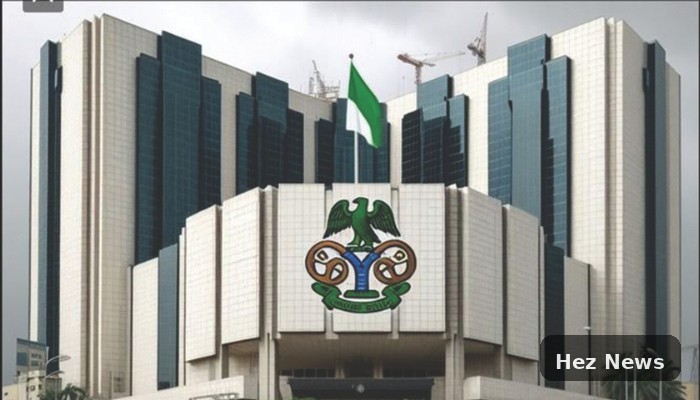
The Central Bank of Nigeria (CBN) has recently implemented a reduction in interest rates, a move that is expected to have significant implications for both savers and short-term investors across the nation. With the new minimum savings rate now set at 6.9%, many individuals are likely to see a decrease in the returns they earn on their deposits.
Impact on Savers and Investors
This interest rate adjustment comes at a time when many Nigerians are already grappling with economic challenges, including inflation and rising costs of living. The lower deposit rates may discourage saving, prompting individuals to seek alternative investment opportunities that could potentially yield higher returns.
Financial experts warn that this change could lead to a shift in the behavior of Nigerian savers, who may be forced to explore riskier assets such as stocks or real estate in hopes of achieving better financial outcomes. This could ultimately affect the stability of the banking sector, as decreased deposits could lead to lower lending capacity for banks.
Broader Economic Context
The CBN's decision to cut rates is part of a larger strategy aimed at stimulating economic growth amid a challenging global and local economic landscape. However, the immediate effect of such a decision is often felt more acutely by individual savers rather than by businesses or investors who might benefit from easier borrowing conditions.
For many Nigerians, the traditional savings account has been a cornerstone of personal finance. The decline in interest rates could lead to a reevaluation of personal finance strategies, as individuals weigh the benefits of saving against the inflation rate, which continues to erode purchasing power.
Future Prospects for Savings
As the CBN continues to adjust its monetary policy in response to economic conditions, it is crucial for Nigerians to remain informed about how these changes could impact their financial health. Analysts suggest that the bank may need to consider other measures to support savers, such as offering better incentives for depositors or promoting financial literacy to guide citizens in making informed investment choices.
In conclusion, while the CBN's rate cut aims to bolster economic activity, it simultaneously presents challenges for savers who must now navigate a landscape of reduced returns. It remains to be seen how this will affect personal savings behavior and overall economic stability in Nigeria.





Leave a Comment