

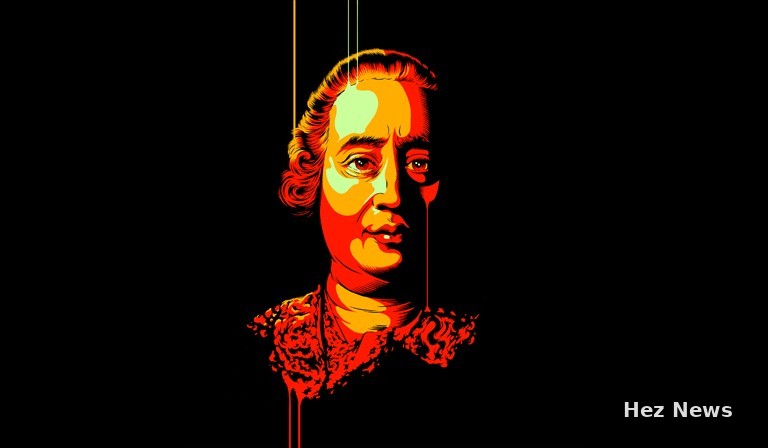
In the realm of philosophy and literature, few figures have left as profound an impact as David Hume. Born in 1711 in Edinburgh, Scotland, Hume's ideas have transcended time and geography, influencing countless thinkers and scholars across the globe, including in Nigeria.
The Life of David Hume
David Hume's life was marked by a relentless pursuit of knowledge and an unwavering commitment to reason. His major works, such as A Treatise of Human Nature and An Enquiry Concerning Human Understanding, grappled with questions of human psychology, morality, and the nature of knowledge itself. By 1776, when Hume faced his final days, he was already a pivotal figure in the Enlightenment, known for challenging established norms and advocating for a more empirical approach to understanding the world.
Hume's Philosophical Contributions
One of Hume's most significant contributions is his skepticism regarding causation and the nature of reality. He argued that our beliefs in cause and effect are not grounded in reason but rather in habit and experience. This perspective has profound implications, particularly in the context of Nigeria's diverse cultural and philosophical landscape, where traditional beliefs often intersect with modern scientific understandings.
Hume's ideas on human nature also resonate in contemporary discussions about moral philosophy. His assertion that reason is the slave of the passions suggests that our emotions fundamentally drive our decisions—a notion that finds relevance in Nigeria's vibrant societal dynamics, where cultural values and emotional ties often dictate social interactions and political decisions.
David Hume in the Modern Context
As Nigeria continues to evolve, grappling with issues of governance, ethics, and social justice, Hume's thoughts provide a valuable lens through which to examine these challenges. His emphasis on empirical observation and skepticism encourages a critical approach to the information we consume, particularly in an age dominated by social media and misinformation.
Moreover, Hume's reflections on the role of reason and emotion in human affairs can help inform debates about leadership and civic responsibility in Nigeria. In a nation where emotional appeals often sway public opinion, understanding the balance between rational discourse and emotional engagement is crucial for fostering a more enlightened citizenry.
Conclusion
As we reflect on David Hume's enduring legacy, it is essential to recognize the relevance of his ideas in today's world, especially within the context of Nigerian society. His philosophical inquiries challenge us to question our assumptions and strive for a deeper understanding of the human experience. In doing so, we honor Hume's vision of opening the eyes of the public and fostering a more informed and thoughtful populace.





Leave a Comment