

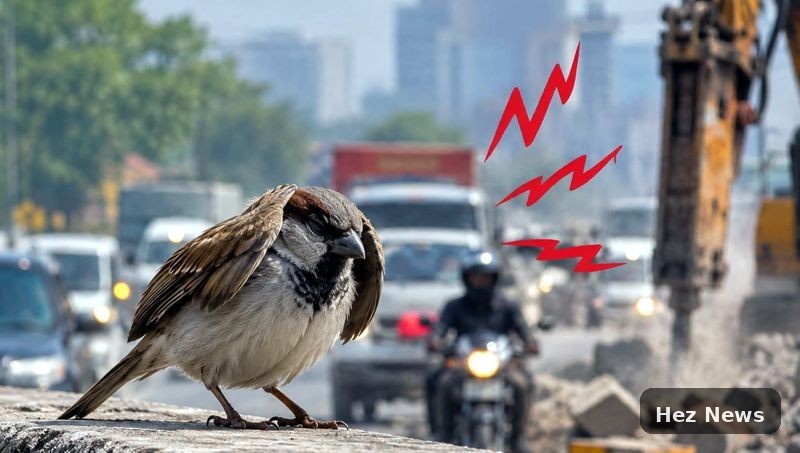
The increasing levels of noise pollution across the globe are posing a significant threat to the survival of bird species, particularly in Nigeria where urbanization and industrial activities are on the rise. According to experts, this relentless barrage of sound is disrupting the delicate balance of nature, making it challenging for many birds to thrive.
The Impact of Noise Pollution
Noise pollution has been identified as a major environmental issue, affecting not only human health but also wildlife. Birds, which rely on vocalizations for communication, mating, and navigation, are particularly vulnerable. In urban areas of Nigeria, the sounds of traffic, construction, and other human activities can drown out the natural calls of birds, leading to confusion and stress among these creatures.
Birds in Decline
Research indicates that many bird species are experiencing population declines due to habitat loss and increased noise levels. In Nigeria, the rich avian biodiversity is under threat as cities expand and natural habitats are destroyed. This is particularly concerning for endemic species that rely heavily on specific environments for survival.
Local Initiatives and Solutions
In response to these challenges, local NGOs and environmental groups in Nigeria are advocating for more sustainable urban planning and noise reduction strategies. Initiatives include creating green spaces in cities, promoting awareness about the importance of biodiversity, and implementing regulations to limit noise pollution in sensitive areas.
A Call to Action
It is imperative for both government and citizens to recognize the importance of preserving our natural heritage. By implementing noise control measures and protecting habitats, we can ensure that future generations of birds can thrive in Nigeria. Reducing noise pollution is not just about protecting wildlife; it’s about preserving the quality of life for all living beings.






Leave a Comment