

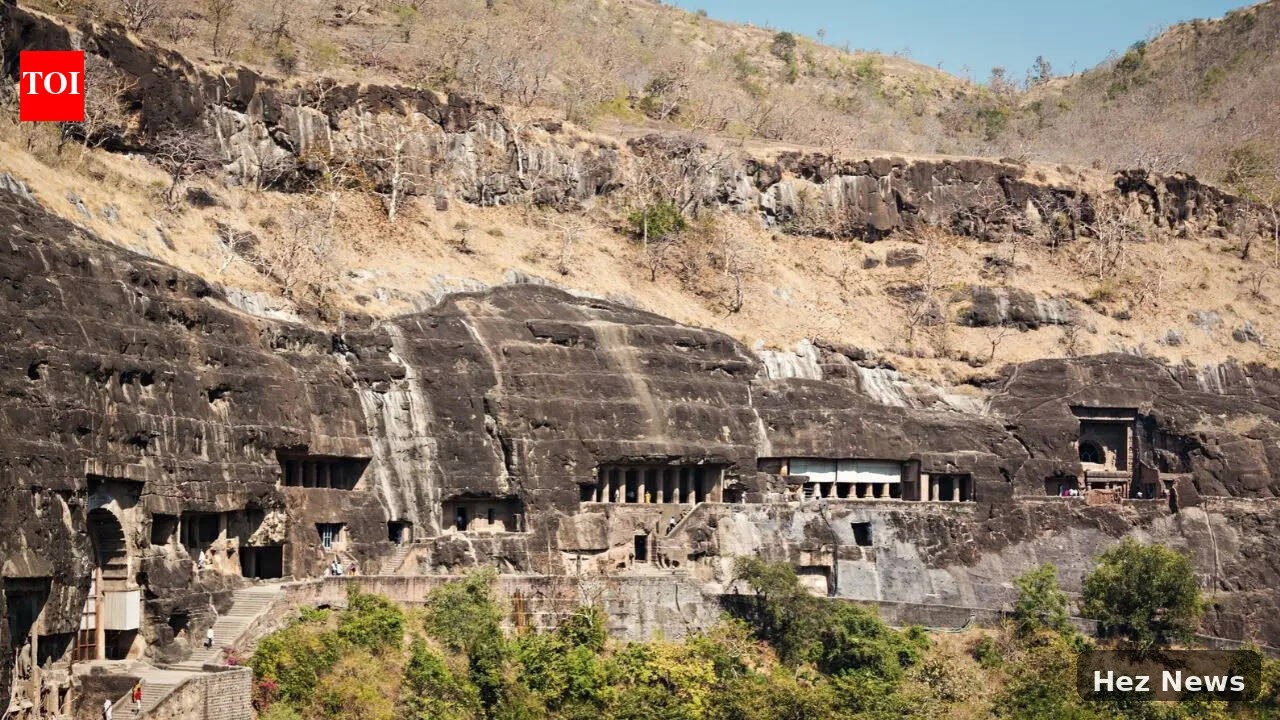
Architectural sites in India are breathtaking, showcasing an extraordinary blend of artistry and engineering that continues to captivate visitors worldwide. Among these marvels, the ancient caves stand out as remarkable examples of historical and cultural significance.
A Glimpse into India's Architectural Heritage
India, with its rich history spanning thousands of years, is home to numerous architectural wonders, particularly in the form of caves and temples. These ancient structures are not merely edifices; they embody the spiritual and artistic essence of a civilization.
Some of the most notable caves are located in Maharashtra, such as the famous Ajanta and Ellora caves, recognized as UNESCO World Heritage Sites. They are adorned with intricate carvings and exquisite sculptures that narrate stories from Hinduism and Buddhism.
The Ajanta Caves: A Historical Treasure
The Ajanta caves, dating back to the 2nd century BCE, are renowned for their exquisite frescoes and murals. These paintings depict various aspects of life, including religious themes and daily activities of the time. The caves served as monasteries for Buddhist monks and are celebrated for their artistic depth and historical significance.
Ellora Caves: A Marvel of Coexistence
In contrast, the Ellora caves, which date between 600 and 1000 CE, showcase the remarkable coexistence of different religions. Here, one can find Hindu, Buddhist, and Jain caves, all carved into a single cliff face. The Kailasa temple at Ellora, a massive monolithic structure, is a testament to the skill and vision of ancient Indian craftsmen.
Artistry That Defies Time
The craftsmanship visible in these caves is often seen as unimaginable by modern standards. The detailed carvings and sculptures reflect a profound understanding of artistic expression and architectural design that is still studied and admired today. In a world focused on efficiency and rapid production, the artistry of these ancient structures stands as a reminder of the importance of cultural heritage.
Connecting Nigeria to Global Heritage
For Nigerians, understanding the architectural wonders of India can provide insights into our own rich cultural heritage. Like India, Nigeria boasts a plethora of historical sites, from the ancient walls of Kano to the rock sculptures of the Nok culture. Exploring these connections can foster a greater appreciation for global heritage and the diverse narratives that shape our identities.
As we continue to preserve and celebrate our histories, the stories told through the caves and temples of India remind us of the universal pursuit of beauty, spirituality, and community. These ancient sites not only attract tourists but also serve as a bridge connecting different cultures and histories.
Conclusion
In conclusion, the ancient caves of India are more than just architectural feats; they are living narratives of a civilization that continues to influence art and culture around the world. For Nigerians and others interested in global heritage, these sites are a source of inspiration, reminding us of the rich tapestry of human history.




Leave a Comment