

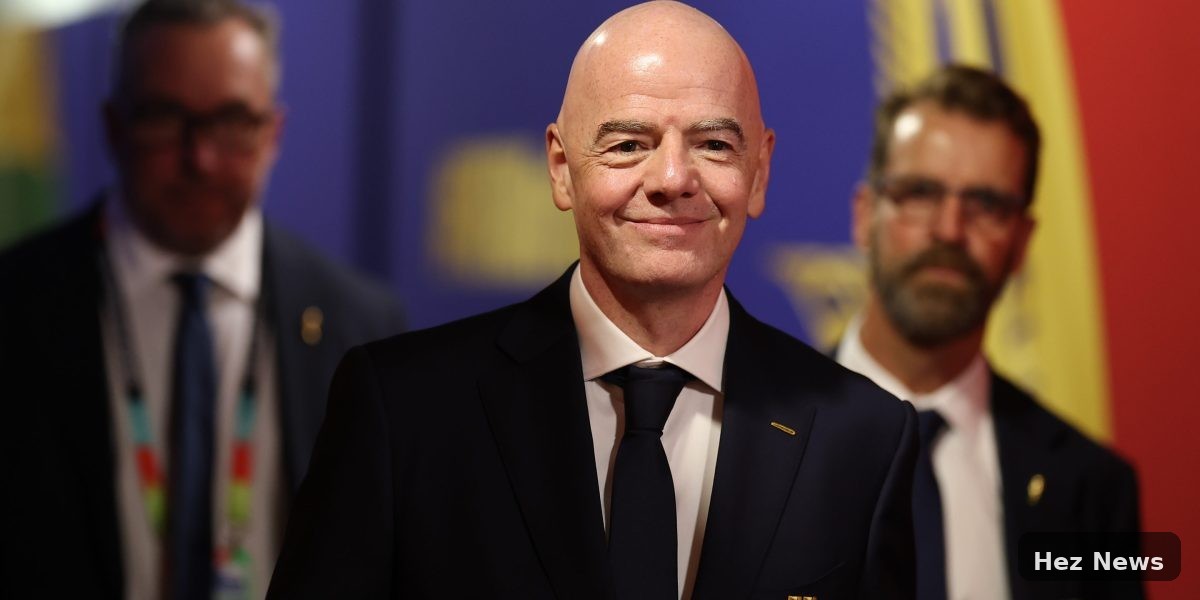
The international football landscape is witnessing a significant shift as FIFA proposes to sell stakes to private investors, a move that has ignited a fierce backlash from European soccer stakeholders. This initiative aims to generate billions in revenue but has raised concerns among traditional football powers in Europe.
Understanding FIFA's Proposal
FIFA, the governing body of world football, is exploring the sale of shares in the organization to private investors as part of its broader strategy to enhance financial stability and growth. This move is seen as an effort to bolster FIFA's revenue streams in light of recent lackluster financial projections.
European Concerns and Opposition
According to insights from industry insiders, the primary opposition arises from a turf war among European soccer interests. Traditional powerhouses in European football perceive this initiative as a threat to their established dominance and influence over the sport. The potential influx of private money could disrupt the existing balance of power, which has historically favored European clubs and leagues.
The European football community is not only worried about the financial implications but also about the long-term effects on the integrity of the game. Many fear that the introduction of private investors could lead to a prioritization of profit over the sport itself, undermining the core values that football represents.
Impact on Nigerian Football
For Nigeria, a nation with a rich football heritage and a passionate fanbase, the implications of FIFA's decision could be far-reaching. As the country continues to develop its football infrastructure and talent, the influx of private investment could present both opportunities and challenges.
On one hand, increased investment in football could help elevate the standard of the game in Nigeria, allowing for better facilities, training, and player development. On the other hand, there is a risk that the focus on profit could divert resources away from grassroots initiatives that are crucial for nurturing young talent in Nigeria.
The Road Ahead
As FIFA navigates this contentious proposal, it will need to address the concerns raised by European stakeholders while also considering the potential benefits for football on a global scale, including in Nigeria. The outcome of this initiative will likely set a precedent for the relationship between football governing bodies and private investors, shaping the future of the sport.
In conclusion, while FIFA's plan to engage private investors could inject much-needed capital into football, it must strike a balance between financial viability and the preservation of the sport's integrity. The ongoing debate highlights the complexities of modern football and the need for inclusive dialogue among all stakeholders.



Leave a Comment