

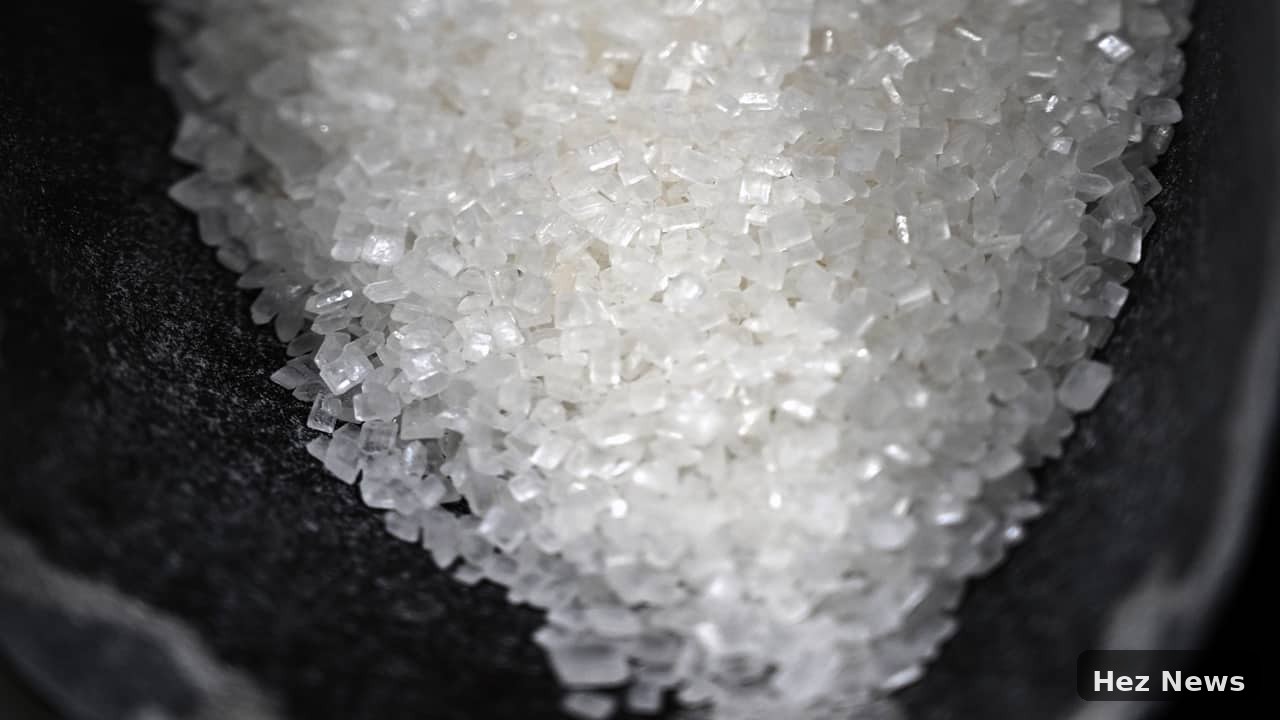
India, recognized as the world's largest sugar producer, is facing an unprecedented situation that is prompting the nation to turn towards sugar imports. This shift is primarily driven by tightening supplies, weather-related risks, and an increase in festive demand that has historically led to higher consumption rates.
Supply Chain Pressures
In recent years, India has boasted a robust sugar production capacity, often exporting its surplus to various countries. However, a combination of factors has led to a significant dip in local production. Poor weather conditions, including erratic rainfall and rising temperatures, have adversely impacted crop yields, causing a ripple effect throughout the sugar supply chain.
Rising Domestic Demand
As the festive season approaches, the demand for sugar typically surges in India. This year, with events such as Diwali and Christmas on the horizon, the demand is expected to escalate even further. The urgency to meet domestic needs has put additional strain on an already challenged supply chain.
Nigeria's Context and Potential Implications
For Nigeria, which also grapples with its sugar production challenges, the developments in India present a multitude of implications. Nigeria has been striving to boost its sugar production through initiatives such as the National Sugar Development Programme. Observing India’s current predicament could provide valuable lessons for Nigerian policymakers on managing local supply and demand dynamics.
Global Market Reactions
The global sugar market is poised for fluctuations as India's importation of sugar could alter trade dynamics. Countries that typically import sugar from India may have to seek alternative sources, potentially benefiting Nigerian sugar producers if they can enhance their production and meet international standards.
Looking Forward
As India navigates this new reality, the focus will likely shift towards improving domestic production capabilities and exploring sustainable agricultural practices to mitigate future risks. For Nigeria, it is an opportunity to reinforce its commitment to achieving sugar self-sufficiency while learning from the challenges faced by one of its largest competitors in the global market.





Leave a Comment