

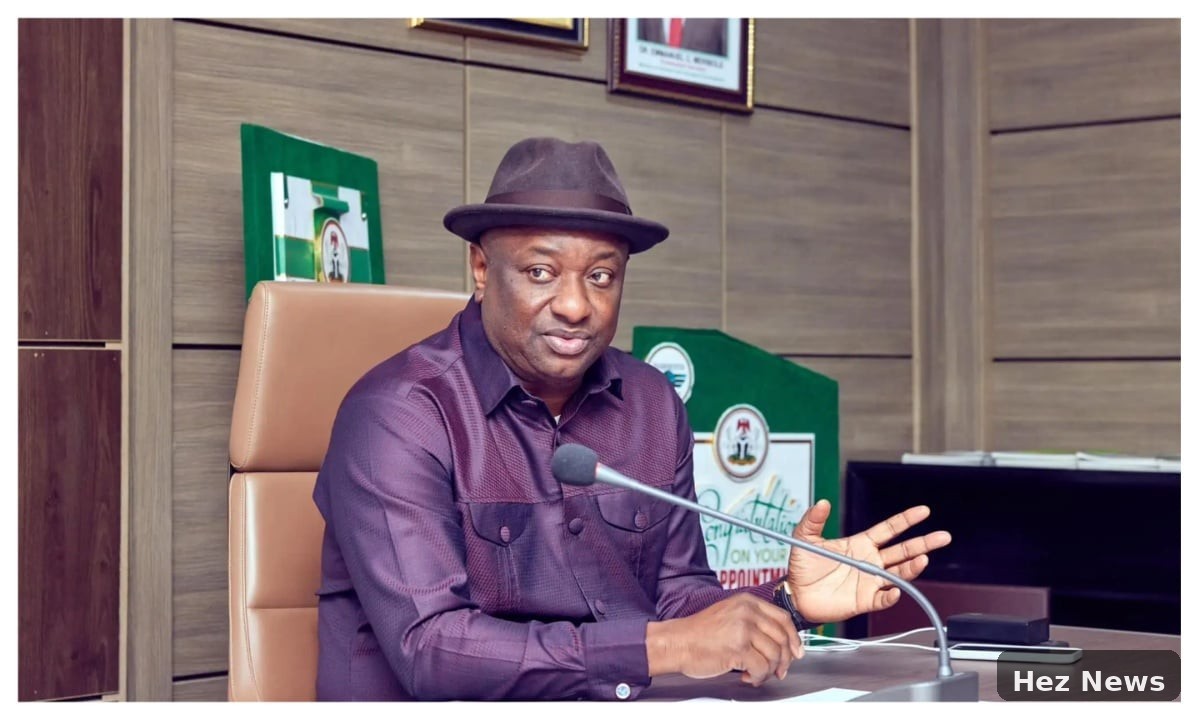
The Nigerian Minister of Aerospace and Space Development, Festus Keyamo, SAN, has made significant announcements regarding the implications of the recent fuel subsidy removal by President Bola Ahmed Tinubu. In a statement reflecting on the economic landscape, Keyamo noted that the savings from this policy shift are paving the way for enhanced investments in critical infrastructure, particularly the Lagos Airport.
Investors Eye Nigeria Amid Policy Changes
Keyamo revealed that approximately $500 million is being earmarked for the revitalization and expansion of the Lagos Airport. This funding is not just a financial boost; it symbolizes a broader trend of foreign investors looking to capitalize on Nigeria's potential amidst evolving economic reforms. The Minister emphasized that the removal of the fuel subsidy is opening new avenues for investment, attracting both local and international stakeholders eager to participate in Nigeria's growth story.
The Economic Context of Subsidy Removal
The subsidy removal is a contentious issue that has stirred debates across the nation. Many Nigerians have expressed concerns regarding the immediate effects on fuel prices and the cost of living. However, government officials, including Keyamo, argue that the long-term benefits will outweigh the short-term challenges. With the savings generated from reduced subsidies, the government is now in a position to reinvest in essential sectors such as aviation, healthcare, and infrastructure.
Impacts on Aviation Sector
The aviation sector, which has faced numerous challenges over the years, is expected to see a transformative impact from this influx of funding. Keyamo highlighted that the Lagos Airport is critical for facilitating trade and tourism, which are vital for Nigeria's economy. The planned upgrades include modernizing facilities and improving passenger services, which are expected to boost Nigeria's standing as a regional hub.
Furthermore, the Minister pointed out that with improved airport facilities, Nigeria can enhance its competitiveness in the global market, attracting more airlines and increasing passenger traffic. This is particularly important as the country aims to recover from the disruptions caused by the COVID-19 pandemic.
Potential Challenges Ahead
Despite the optimism surrounding the funding and investment, Keyamo acknowledged potential challenges that could arise. Key among them is the need for effective implementation of projects and ensuring that the funds are used efficiently. There are also concerns regarding the timing of the investments, as many citizens are still grappling with the immediate effects of the subsidy removal.
As Nigeria navigates these changes, the government is urged to maintain clear communication with the public about the benefits and progress of these investments. Transparency will be key in building trust and ensuring that the anticipated economic benefits are realized.
Conclusion
In conclusion, the removal of the fuel subsidy is a pivotal move in Nigeria's economic strategy, and the announcement of substantial funding for the Lagos Airport represents a significant step forward. With the right management and execution, this could mark the beginning of a new era of growth and development for Nigeria, attracting the necessary investments to drive the nation towards a prosperous future.





Leave a Comment