

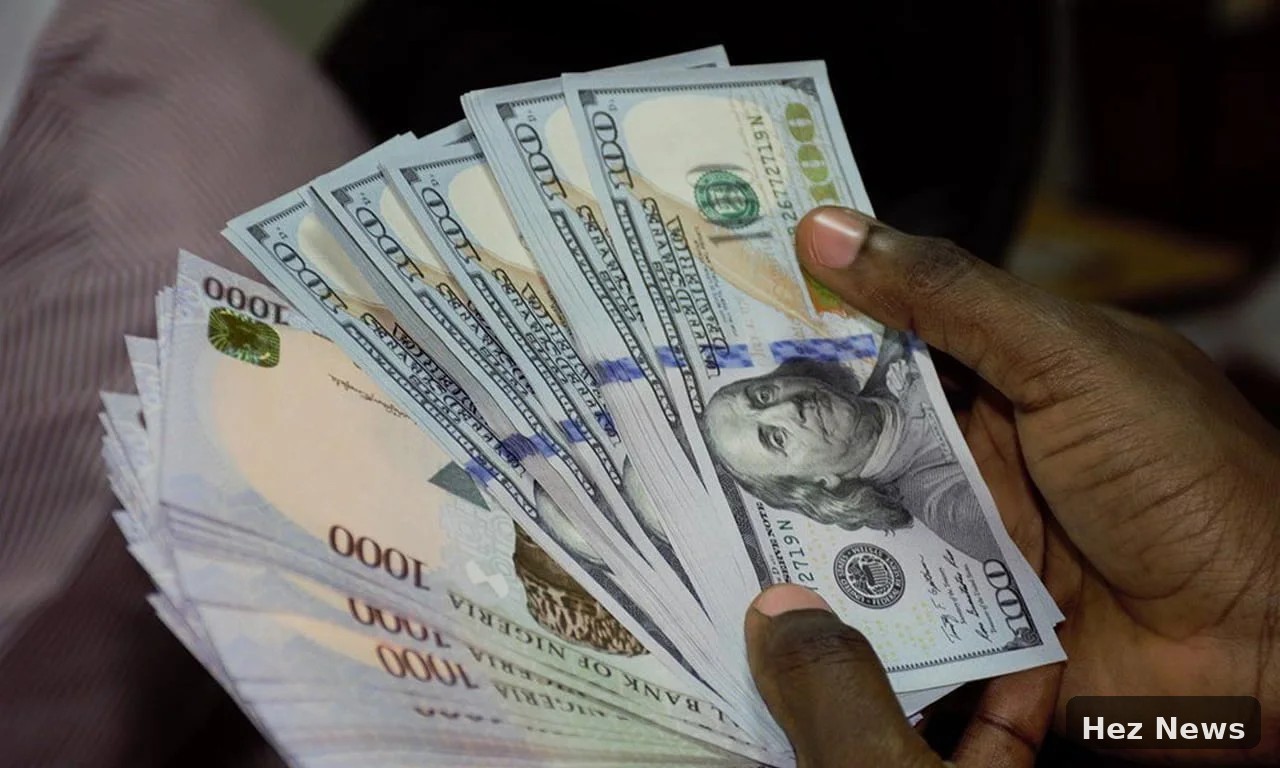
The Nigerian naira has shown notable appreciation against the US dollar as of July 24, 2026, marking a significant shift in both the official and parallel foreign exchange markets. This positive trend comes as the naira ended the week with a strengthened position, providing a glimmer of hope for many Nigerians amid ongoing economic challenges.
Current Market Overview
As of Friday, the naira's performance has been encouraging, reflecting a broader recovery trend in the currency's value. In the official market, the exchange rate saw a decline in the value of the dollar, indicating increased demand for the naira. Traders and economic analysts have noted this shift, attributing it to various factors including increased foreign investment and improved remittance inflows.
Factors Influencing Naira's Appreciation
Several key factors have contributed to the naira's recent gains:
- Foreign Investment: Increased foreign direct investment (FDI) into Nigeria has strengthened the naira as investors seek to capitalize on the country’s potential for growth.
- Remittances: A rise in remittances from Nigerians abroad has provided a much-needed boost to the economy, enhancing the naira's value against the dollar.
- Government Policies: Recent fiscal and monetary policies aimed at stabilizing the currency have also played a crucial role in this positive development.
Implications for Nigerians
The appreciation of the naira is expected to have several implications for Nigerians. Consumer prices may stabilize as the cost of imported goods potentially decreases. This could provide relief to households struggling with inflation. Additionally, businesses that rely on imported materials may find it easier to manage costs, thereby enhancing their operational sustainability.
However, it is essential to approach this news with cautious optimism. Market volatility remains, and many analysts urge that the naira’s sustained appreciation will depend on ongoing economic stability and growth.
The Black Market Dynamics
Interestingly, while the official market shows a favorable trend for the naira, the black market continues to operate with varying rates. The gap between the official and parallel market rates remains a concern for regulators. Many Nigerians still rely on the black market due to the limited availability of foreign currency in official channels.
As the naira continues to appreciate, it is crucial for the government to address these disparities and work towards unifying the exchange rates to foster a more stable economic environment.
Conclusion
In conclusion, the Nigerian naira's appreciation against the US dollar is a welcome development for many. It reflects positive trends that could bolster economic confidence as Nigeria navigates its path to recovery. Stakeholders in the economy must remain vigilant to ensure that this trend can be sustained, paving the way for a more resilient financial future.






Leave a Comment