

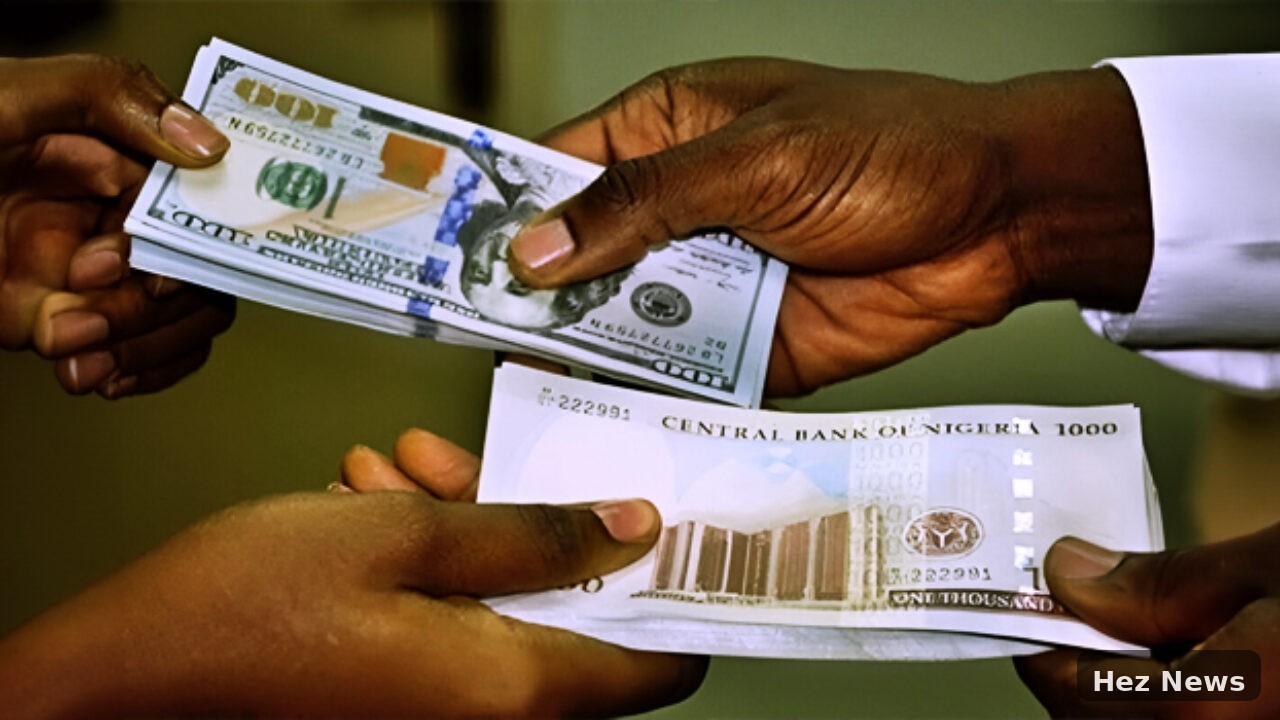
In a positive turn for the Nigerian economy, the naira has shown signs of appreciation against the United States dollar as of Thursday, August 20, 2026. According to data released by the Central Bank of Nigeria (CBN), this recent trend marks a significant shift in the currency's performance at the official foreign exchange market.
Understanding the Naira's Appreciation
The appreciation of the naira is a welcomed development for many Nigerians, especially those involved in international trade and importation. Over the past months, the naira has faced significant depreciation, which has led to increased prices for imported goods and services, thus impacting the overall cost of living.
The CBN's measures to stabilize the naira, including interventions in the foreign exchange market, have contributed to this positive trend. Analysts suggest that the appreciation may also be linked to improved foreign reserves and a steady inflow of remittances from Nigerians in the diaspora.
Economic Implications
The strengthening of the naira could have several implications for the Nigerian economy. It may lead to lower inflation rates as the cost of imported goods decreases. Furthermore, a stronger naira can enhance the purchasing power of consumers, allowing for more affordable access to foreign products.
However, experts caution that the sustainability of this appreciation is crucial. Factors such as global oil prices, which significantly influence Nigeria's economy, and the ongoing responses to the COVID-19 pandemic can affect the naira's future performance.
CBN's Role in Currency Stabilization
The Central Bank of Nigeria plays a pivotal role in regulating the foreign exchange market. Their policies, including monetary interventions and foreign reserve management, are essential in maintaining currency stability. The CBN's commitment to a flexible exchange rate regime has also been vital in addressing market fluctuations.
What Lies Ahead?
As the naira continues to appreciate, stakeholders in the Nigerian economy are keeping a close watch. Businesses, especially those reliant on imports, are optimistic about the potential for reduced costs. However, government officials and financial analysts emphasize the need for cautious optimism.
In conclusion, while the naira's recent appreciation against the dollar is a positive development, it is crucial for the CBN and the Nigerian government to implement policies that will ensure this trend is sustainable in the long term. Continuous monitoring of economic indicators will be vital to avoid any abrupt fluctuations that could disrupt the market.






Leave a Comment