

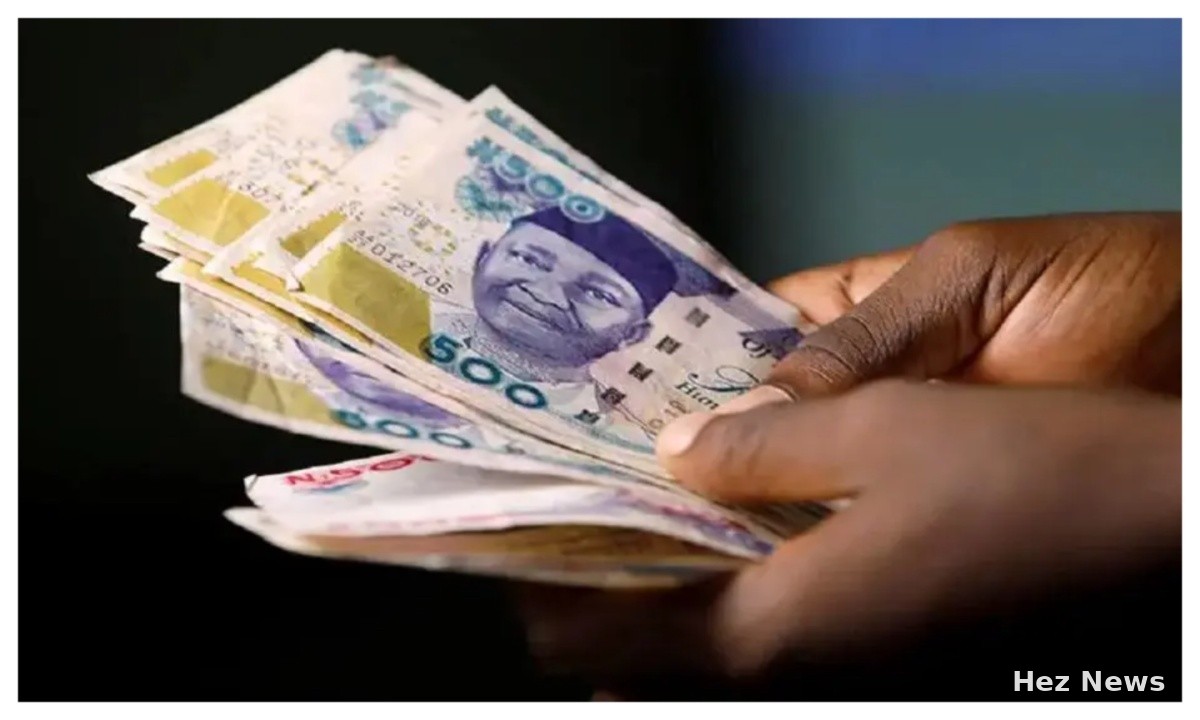
The Nigerian Naira faced a notable depreciation against the United States Dollar in the official foreign exchange market on Tuesday, August 11, 2026, marking a reversal of the gains made the previous day.
Exchange Rate Overview
On Monday, the Naira had shown signs of strength, giving hope to many who closely monitor the fluctuations in the currency's value. However, the optimism was short-lived as the Naira's value declined sharply on Tuesday, reflecting ongoing volatility in the currency markets.
Factors Influencing Naira's Performance
This latest decline can be attributed to several factors, including global oil prices, which have a direct impact on Nigeria's economy. As a major oil producer, Nigeria's economic health is closely tied to the performance of oil on the global market. Any downturn can lead to reduced foreign exchange earnings, which affects the Naira's stability.
Additionally, government policies and foreign investments play critical roles in determining the exchange rate. Recent shifts in monetary policy aimed at stabilizing the economy may not have yielded immediate results, causing traders to react cautiously.
Implications for Nigerians
The depreciation of the Naira has significant implications for everyday Nigerians. As the exchange rate rises, the cost of imported goods—including essential items such as food and fuel—also increases, putting more pressure on household budgets.
Moreover, businesses that rely on imports are likely to face higher costs, which can lead to increased prices for consumers. This economic strain can be felt across various sectors, from retail to manufacturing, further exacerbating the cost of living crisis that many Nigerians already face.
Looking Ahead
Market analysts are closely watching the situation, as any further depreciation could lead to heightened inflation. The Central Bank of Nigeria (CBN) is expected to intervene in the coming days to stabilize the Naira, but the effectiveness of such measures remains to be seen.
In conclusion, while the Naira's depreciation on August 11, 2026, is a significant development, it is part of a larger trend that reflects both domestic and global economic challenges. Stakeholders will need to remain vigilant and adaptive to navigate the ongoing fluctuations in the currency market.






Leave a Comment