

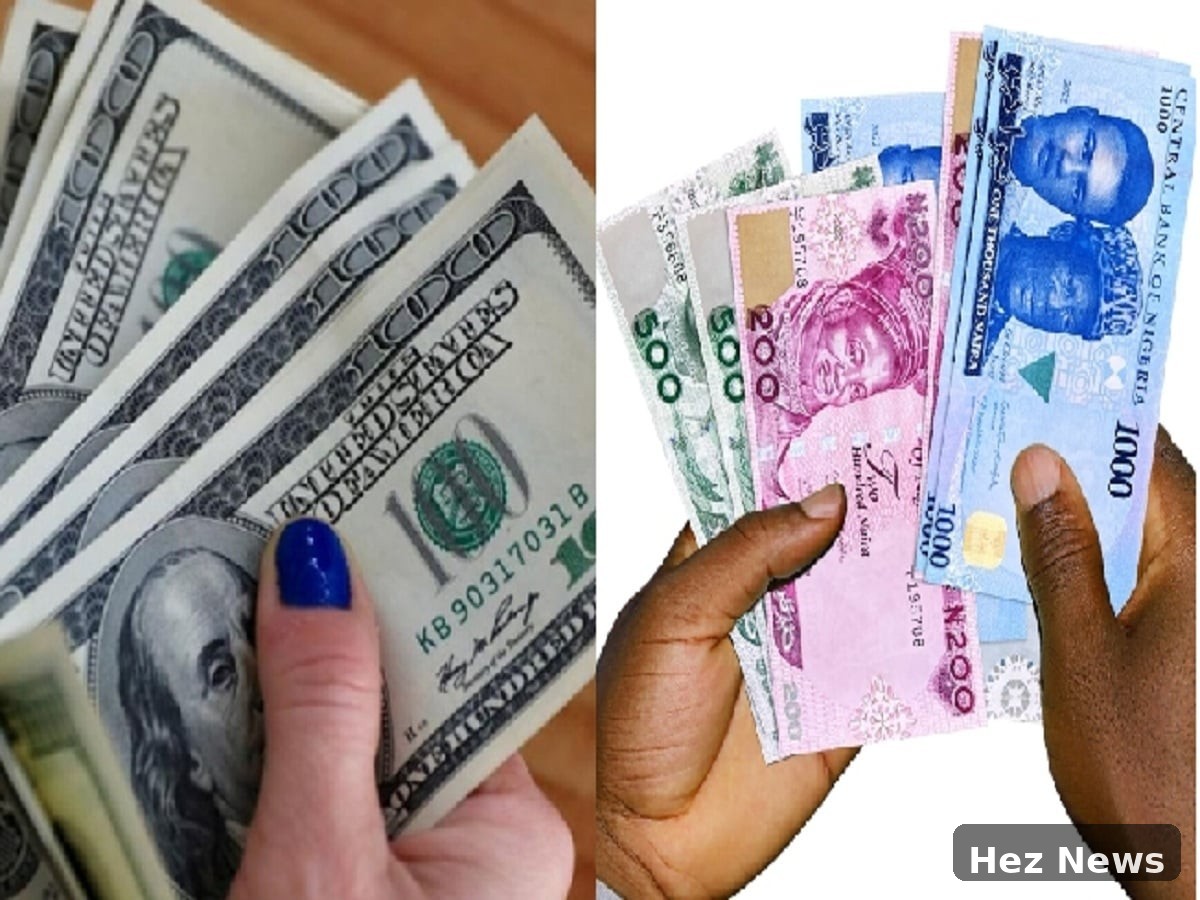
The Nigerian naira has seen a significant decline, trading at N1,366.7 to the dollar in the official foreign exchange market, according to recent data released by the Central Bank of Nigeria (CBN).
Current Exchange Rate Overview
This latest exchange rate reflects a challenging period for the naira, which has been under pressure due to various economic factors. The Nigerian Foreign Exchange Market (NFEM) continues to experience fluctuations that have raised concerns among investors and businesses alike.
Factors Influencing the Naira's Performance
Several factors contribute to the naira's depreciation. Key among them are:
- Oil Prices: As a major oil-producing nation, Nigeria's economy heavily relies on oil exports. Any changes in global oil prices can directly affect the naira's value.
- Inflation Rates: Rising inflation can erode purchasing power and impact the naira negatively.
- Foreign Reserves: The level of foreign reserves held by the CBN plays a crucial role in stabilizing the naira. A decrease in reserves can lead to increased volatility in the exchange rate.
Implications for Nigerians
The depreciation of the naira has far-reaching implications for the Nigerian populace. It affects the cost of imported goods, leading to higher prices for basic commodities and services. Consumers may find themselves paying more for essential items, which can worsen the standard of living.
Moreover, businesses that rely on imported materials may face increased operational costs, which could lead to a rise in product prices, further straining consumers.
Government and CBN Response
In response to the ongoing currency challenges, the CBN has been implementing various monetary policies aimed at stabilizing the naira. These include interventions in the foreign exchange market and efforts to boost foreign investment.
Additionally, there have been calls for structural reforms to address the underlying issues affecting the economy, including diversification away from oil dependency.
Looking Forward
As the naira continues to fluctuate, stakeholders in the Nigerian economy are closely monitoring the situation. It is essential for both the government and the CBN to work collaboratively to implement effective strategies that will help stabilize the currency and restore confidence among investors and consumers.
For now, the Nigerian public will have to brace themselves for the economic realities that come with a falling naira.




Leave a Comment