

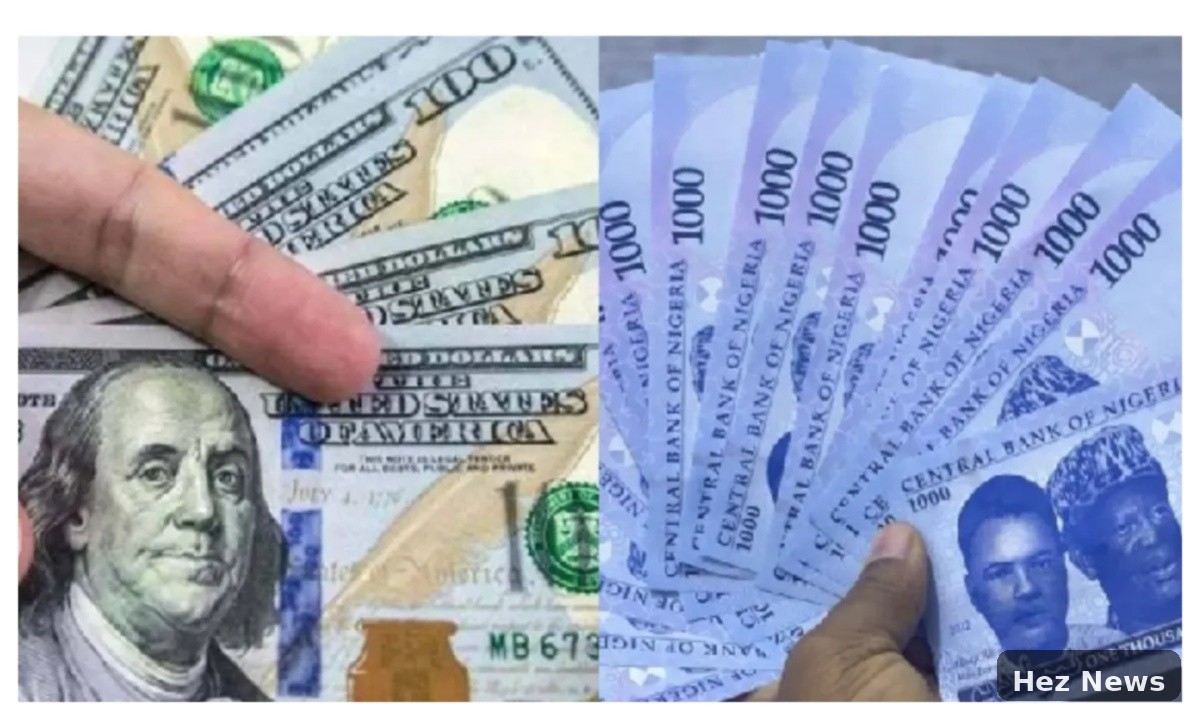
The Nigerian naira has shown a notable appreciation against the US dollar in the official foreign exchange market, a development that comes just before the Central Bank of Nigeria's (CBN) upcoming Monetary Policy Committee (MPC) meeting. This meeting, which is anticipated to take place soon, is critical as it will determine the direction of Nigeria's monetary policy amidst ongoing economic challenges.
Understanding the Current Exchange Rate Dynamics
As of today, the exchange rate reflects a positive shift for the naira, which has been a point of concern for many Nigerians due to the fluctuations experienced in recent months. Currency stability is often tied to various factors, including government policies, oil prices, and international market trends.
The naira's appreciation is significant, especially in a period where inflation rates have been high and consumer purchasing power has diminished. The Central Bank of Nigeria's interventions in the forex market, aimed at stabilizing the naira, have also contributed to this recent uptick.
Impact of CBN's Monetary Policy Decisions
The CBN's MPC meetings are pivotal as they set the tone for interest rates, which directly influence banking rates and, consequently, the economy at large. Economists and financial analysts are keenly watching how the MPC will navigate the delicate balance between fostering economic growth and controlling inflation.
Recent statements from CBN officials suggest a cautious approach to interest rate adjustments, with an emphasis on maintaining stability in the financial markets. The potential outcomes of this meeting could have lasting effects on the naira's performance against major currencies.
What This Means for Nigerians
For the average Nigerian, the appreciation of the naira is a welcome development. It could lead to lower import costs and, in turn, reduce the prices of goods and services. However, the overall economic landscape remains complicated, as many factors continue to influence the currency's value.
Moreover, with the upcoming elections and political uncertainties, there is a heightened sense of caution among investors and market participants. The government's ability to implement effective economic policies will be crucial in sustaining the naira's strength.
Conclusion
As we await the CBN's decision, the current appreciation of the naira brings a glimmer of hope in an otherwise challenging economic environment. Stakeholders, including businesses and consumers, will be closely monitoring the developments following the MPC meeting, as it will significantly impact the future trajectory of the Nigerian economy.






Leave a Comment