

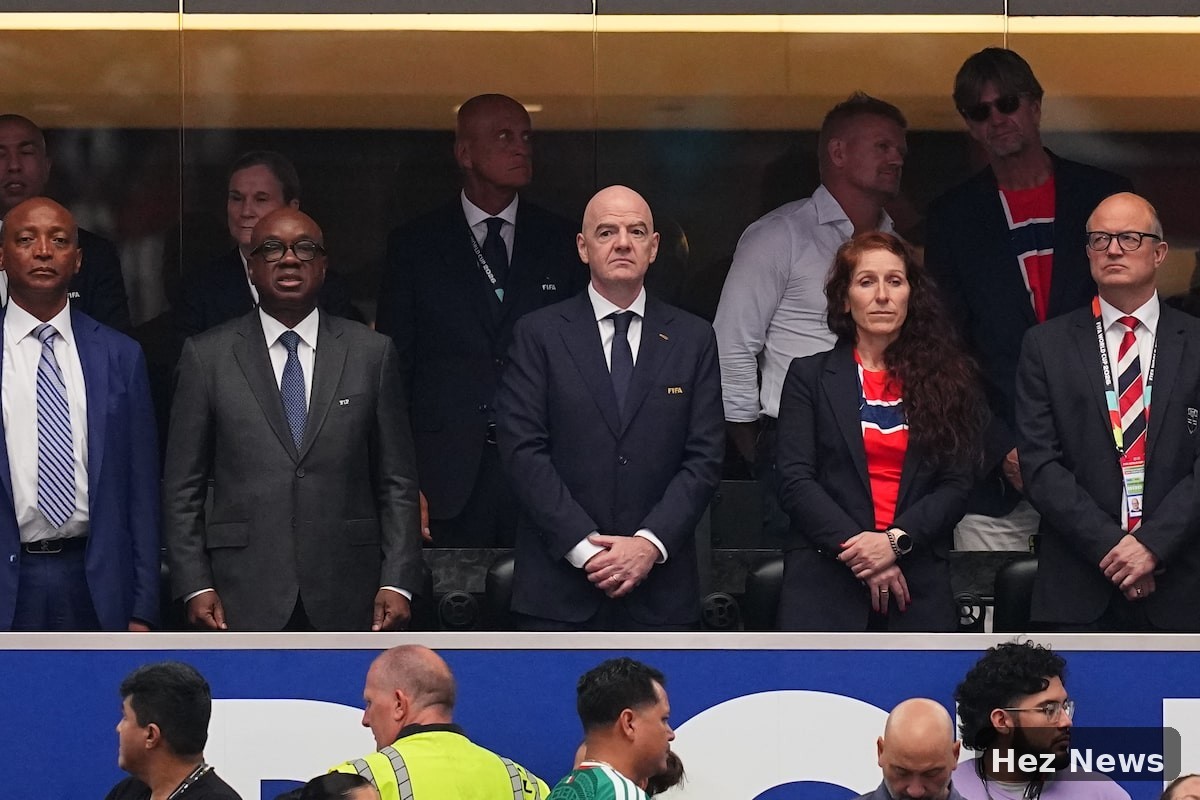
Lise Klaveness, the president of Norway's soccer federation, has made headlines with her strong condemnation of FIFA's recent decision to dismiss a senior official. This executive, who publicly opposed FIFA president Gianni Infantino's controversial plan to sell World Cup broadcasting rights, has become a focal point in a growing discussion about governance in global football.
FIFA's Controversial Move
The dismissal of the official, whose identity has been closely tied to the opposition of Infantino’s now-abandoned sell-off strategy, has raised eyebrows within the football community. Klaveness characterized this action as an example of ‘management by fear’, suggesting that FIFA is using intimidation tactics to silence dissenting voices.
Impact on Global Football Governance
This incident comes at a time when FIFA's leadership is under scrutiny, particularly in light of the growing calls for transparency and accountability in football administration. Klaveness's comments resonate especially in Nigeria, where football governance issues have been prevalent. The Nigerian football community, which has faced its own challenges with leadership and corruption, is watching these developments closely.
The Broader Context of FIFA's Decisions
Infantino's initial proposal to monetize World Cup broadcasting rights drew significant criticism from various quarters, including players, fans, and national federations. The backlash was partly due to concerns about the potential implications for the sport's integrity and accessibility.
Klaveness's public stance against FIFA's tactics highlights a growing movement among federations and football enthusiasts demanding a more ethical approach to governance. This is particularly relevant for Nigerian stakeholders, who have been advocating for reforms to ensure fair representation and decision-making processes within their own football institutions.
A Call for Unity in Football
In her statements, Klaveness emphasized the need for unity among football federations to challenge what she describes as autocratic governance styles. This call for collective action is likely to resonate in Nigeria, where the football community has been actively seeking reforms to improve the sport's administrative landscape.
The Nigerian Football Federation (NFF) has faced numerous challenges, including allegations of mismanagement and lack of transparency. As such, the developments surrounding FIFA and Klaveness's comments could inspire local advocates to push for similar changes within Nigeria's own football framework.
Conclusion
The ongoing situation with FIFA is a reminder of the complexities surrounding global football governance. As Klaveness and others continue to speak out against fear-based management, the hope is that these discussions will lead to a more equitable environment for all stakeholders in the sport, including those in Nigeria. The call for greater accountability and reform is not just a matter of international concern but is also pivotal for the future of football in Nigeria.

Leave a Comment