

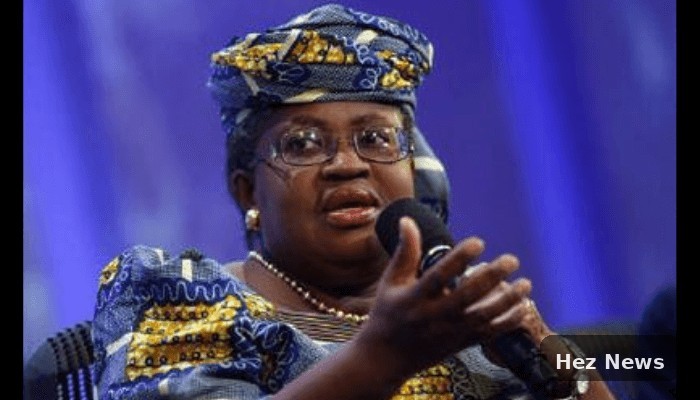
In a significant address, Ngozi Okonjo-Iweala, the Director-General of the World Trade Organization (WTO), has emphasized the urgent need for African nations to implement structural reforms in response to the booming global trade, which has reached an unprecedented $34.7 trillion.
Call for Action
During a recent conference, Okonjo-Iweala, alongside Olayemi Cardoso, the Governor of the Central Bank of Nigeria (CBN), highlighted the critical role that African countries must play in adapting to the ever-evolving global economic landscape. They urged governments across the continent to take decisive actions that will not only enhance their trade capabilities but also protect local industries.
Significance of Structural Reforms
Okonjo-Iweala pointed out that structural reforms, including improvements in infrastructure, trade facilitation, and regulatory frameworks, are essential for Africa to fully capitalize on the opportunities presented by global trade. She stated, "If we do not act now, we risk being left behind in the global economy. The time for reforms is now." This message resonates particularly in Nigeria, where economic diversification remains a pressing challenge.
Economic Diversification and Trade Growth
Governor Cardoso echoed these sentiments, emphasizing the importance of shifting Nigeria’s economy away from its dependence on oil exports. He noted that while oil has been a significant revenue generator, the global market's volatility necessitates a broader economic base. "We must invest in agriculture, technology, and manufacturing to ensure sustainable growth," he said.
Challenges Facing African Economies
Despite the potential for growth, African countries face numerous challenges, including inadequate infrastructure, political instability, and limited access to financing. These obstacles hinder the ability to engage effectively in global trade. Okonjo-Iweala urged leaders to prioritize governance reforms and create an enabling environment for businesses.
Looking Ahead
As global trade continues to expand, the call for action becomes more pressing. African nations must not only reform but also collaborate to strengthen trade relations among themselves. The African Continental Free Trade Area (AfCFTA) presents a significant opportunity for countries to enhance intra-African trade, which is crucial for economic resilience.
In conclusion, the warnings from Okonjo-Iweala and Cardoso serve as a crucial reminder that Africa's economic future hinges on its ability to adapt and reform. The time for action is now, and it is imperative for leaders to act decisively to harness the potential of global trade for the benefit of their nations.



Leave a Comment