

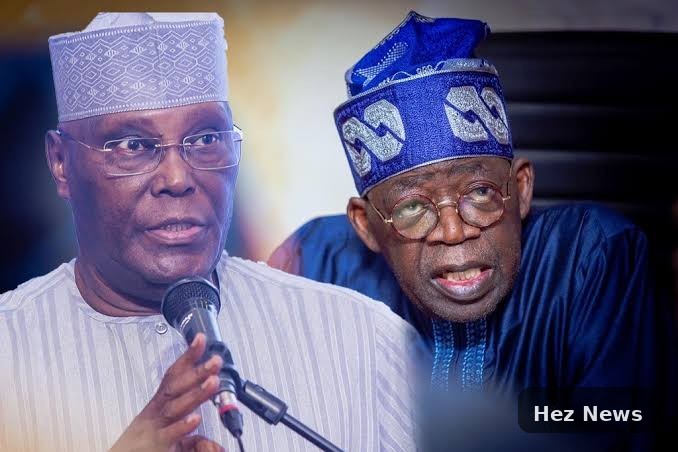
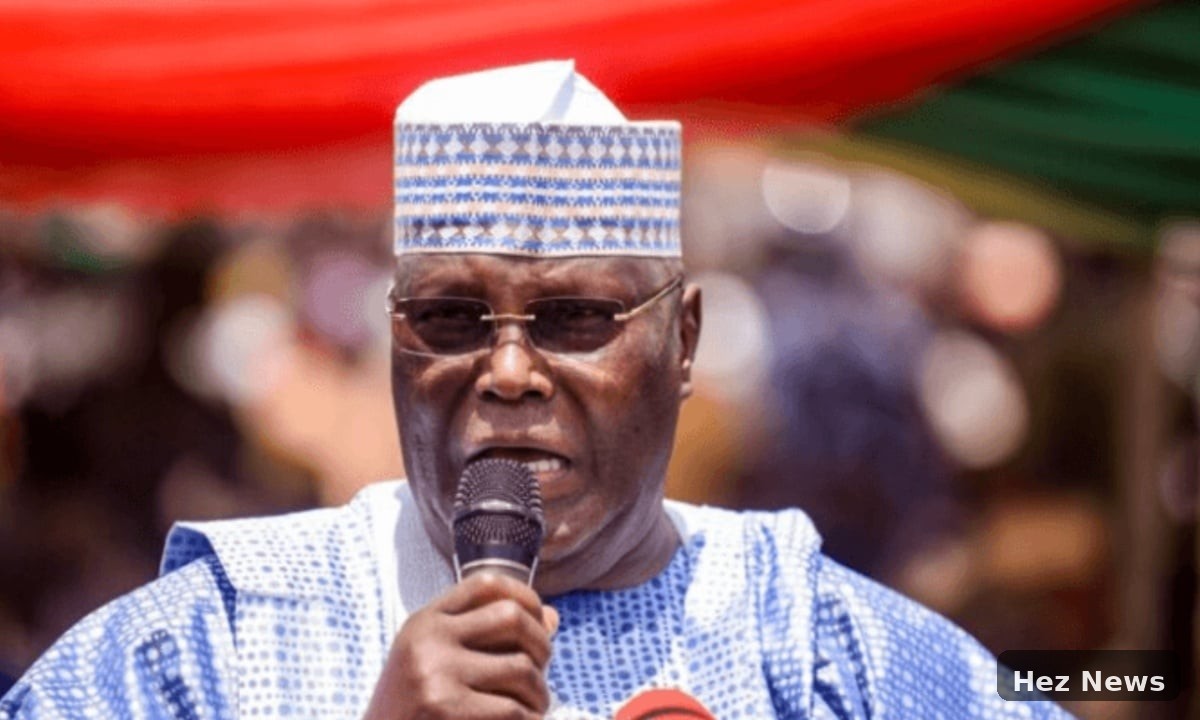
The Presidency has publicly criticized former Vice President Atiku Abubakar over his recent proposal to reintroduce fuel subsidies as part of his economic plan for the upcoming 2027 general elections. This statement was made on Thursday, highlighting the government's stance on economic policies that have significant implications for Nigeria's fiscal responsibilities.
Context of the Fuel Subsidy Debate
Fuel subsidies have long been a contentious issue in Nigeria. Introduced as a means to alleviate the financial burden on citizens, these subsidies have often led to significant financial strains on government budgets and have been criticized for encouraging corruption and mismanagement. Since the removal of the subsidy in 2022, the government has maintained that such measures are unsustainable in the current economic climate.
Presidency's Response to Atiku's Proposal
In a statement issued by the Presidency, officials described Atiku’s proposal as not only impractical but also a retrogressive move that could threaten the progress made in economic reforms. They emphasized that the nation needs to focus on sustainable economic strategies rather than reverting to outdated practices that have historically proven to be detrimental.
Atiku's Economic Blue Print
Atiku Abubakar, a prominent figure in Nigerian politics and a candidate for the forthcoming presidential election, believes that reintroducing fuel subsidies could ease the economic burden on average Nigerians. His economic blueprint aims to address the rising cost of living and inflation rates that have plagued the country in recent months.
However, the Presidency argues that while Atiku's intentions may seem noble, the realities of Nigeria's economy necessitate a more comprehensive approach. They assert that simply reinstating subsidies would not resolve the underlying issues of the economy, such as the need for diversification and increased local production.
The Broader Implications for Nigerian Politics
This clash between the current administration and Atiku Abubakar reflects a broader debate within Nigeria regarding economic policy and governance. As the 2027 elections approach, candidates will need to articulate clear, feasible plans that resonate with the electorate while also addressing the harsh economic realities facing the nation.
The Presidency's firm stance against the reintroduction of fuel subsidies may also influence public opinion as citizens assess the viability of each candidate’s proposals. With the economy being a top priority for voters, how candidates respond to such criticisms will be crucial in shaping their electoral prospects.
Conclusion
As the political landscape evolves, the discourse surrounding fuel subsidies will likely remain a hot topic. The government’s emphasis on sustainable economic practices versus the opposition’s calls for immediate relief will be a central theme in the lead-up to the elections. Stakeholders and citizens alike will be watching closely to see how these discussions unfold.
Leave a Comment