

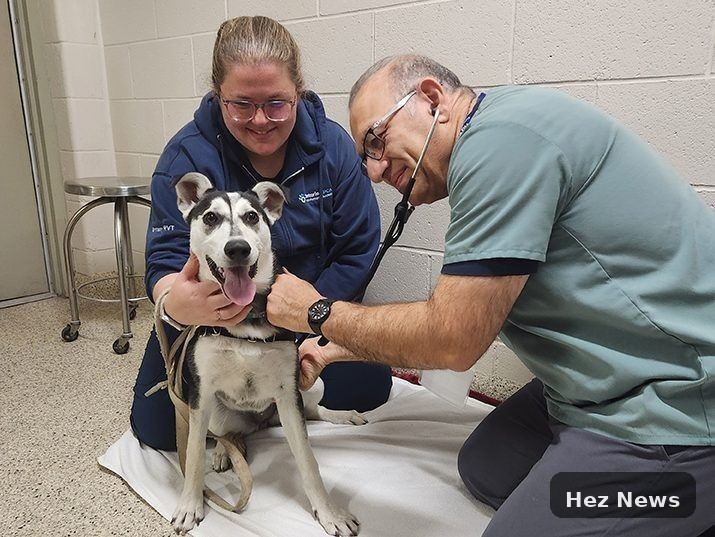
As World Rabies Day approaches, the global spotlight on rabies prevention becomes increasingly critical, especially in regions like Nigeria where the disease remains a significant public health concern. Rabies, a viral disease primarily transmitted through the bite of infected animals, is 100% fatal for animals and can also be deadly for humans if left untreated.
The Importance of Awareness
Every year, millions of people and animals are affected by rabies, yet it is a preventable disease. The World Health Organization (WHO) and various health organizations advocate for increased awareness and preventive measures, emphasizing the need for vaccination of pets and stray animals.
Nigeria, with its diverse wildlife and urban pet population, faces unique challenges in managing rabies. The country has witnessed an increase in rabies cases due to insufficient vaccination coverage and public awareness about the disease. To combat this, public health campaigns are crucial.
Community Engagement and Vaccination Drives
Community engagement is vital in creating awareness about rabies. Local health authorities and NGOs often organize vaccination drives, targeting areas with high incidences of animal bites. These initiatives not only help in vaccinating pets but also educate the community on the symptoms of rabies and the importance of seeking immediate medical attention after an animal bite.
Furthermore, collaboration with veterinary services ensures that both domestic and stray animals receive vaccinations, thereby reducing the overall risk of rabies transmission. A well-coordinated approach can significantly lower the incidence of rabies, benefiting both animal and human health.
The Role of Education
Education plays a crucial role in preventing rabies. Schools and community centers can serve as platforms for educating the public about how rabies is transmitted and the importance of responsible pet ownership. Teaching children about safety around animals, recognizing signs of rabies, and knowing what to do in case of a bite are essential steps in fostering a rabies-free environment.
In addition to local efforts, global observances like World Rabies Day serve to remind all countries of the importance of vaccination and prevention. These events not only raise awareness but also encourage governments to invest in rabies control programs.
Call to Action
As we observe World Rabies Day, it is imperative for Nigerians to take action. Pet owners should ensure their animals are vaccinated, while communities should support local health initiatives aimed at controlling rabies. By working together, we can make significant strides towards eradicating this preventable disease.
In conclusion, rabies remains a preventable disease with deadly consequences. Increased awareness, education, and community participation are essential in the fight against rabies. Together, we can protect both our pets and ourselves from this fatal disease.






Leave a Comment