

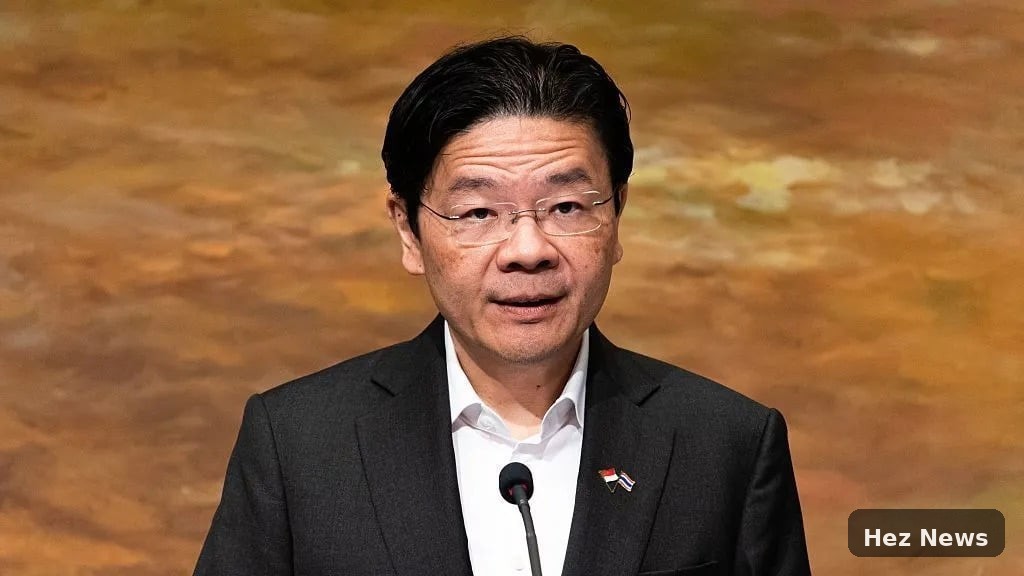
In a significant move that has drawn attention globally, Singapore Prime Minister Lawrence Wong is poised to receive an annual pay raise of $1.1 million as the government adjusts the salaries of ministers and senior officeholders. This development raises questions about the remuneration of political leaders and its implications for governance, particularly in a global context where salary increases among public officials are often scrutinized.
Overview of the Salary Increase
The decision to raise the salaries of Singapore's ministers comes at a time when many countries, including Nigeria, are grappling with the economic impacts of the COVID-19 pandemic and other challenges. The increase for Wong and his cabinet aims to ensure that their compensation remains competitive with the private sector, reflecting their responsibilities in managing the city-state's economy.
Contextualizing Ministerial Salaries in Singapore
In Singapore, the government has long maintained a policy of linking public sector salaries to private sector benchmarks. This approach is intended to attract top talent into public service. However, critics argue that such high salaries can be seen as out of touch with the average citizen's experience, especially in times of economic hardship. The debate over ministerial pay in Singapore echoes similar discussions in Nigeria, where public officials' salaries are often compared to the living standards of ordinary citizens.
The Reaction from the Public and Experts
The announcement of the salary hike has sparked mixed reactions. While some support the rationale behind competitive pay to draw capable leaders, others express concern about the widening gap between government officials and the populace. Social media platforms in Nigeria and beyond are abuzz with discussions on how such pay raises could impact public trust in government institutions.
Political analysts suggest that for Singapore to maintain its reputation for good governance, it must also address the perceptions surrounding such increases. Transparency in financial decisions and open communication with citizens could help alleviate concerns surrounding ministerial pay.
Lessons for Nigeria
Nigeria, facing its own governance challenges, can draw lessons from Singapore's approach to ministerial salaries. With ongoing discussions about public officials' pay in Nigeria, including calls for salary reductions amid economic challenges, the Singapore model presents a case study in balancing competitive compensation with public accountability.
As the world watches how Singapore navigates this sensitive issue, it also serves as a reminder for Nigerian policymakers to consider the implications of their decisions on public perception and trust. The relationship between salaries and effective governance remains a critical topic for both nations.
Conclusion
The increase in Prime Minister Wong's salary may set precedents not just in Singapore, but also resonate within Nigeria and other nations facing similar dilemmas. As governments around the world reassess their economic strategies post-pandemic, the discussion on ministerial compensation will likely remain a focal point in the discourse on governance and public service.





Leave a Comment