

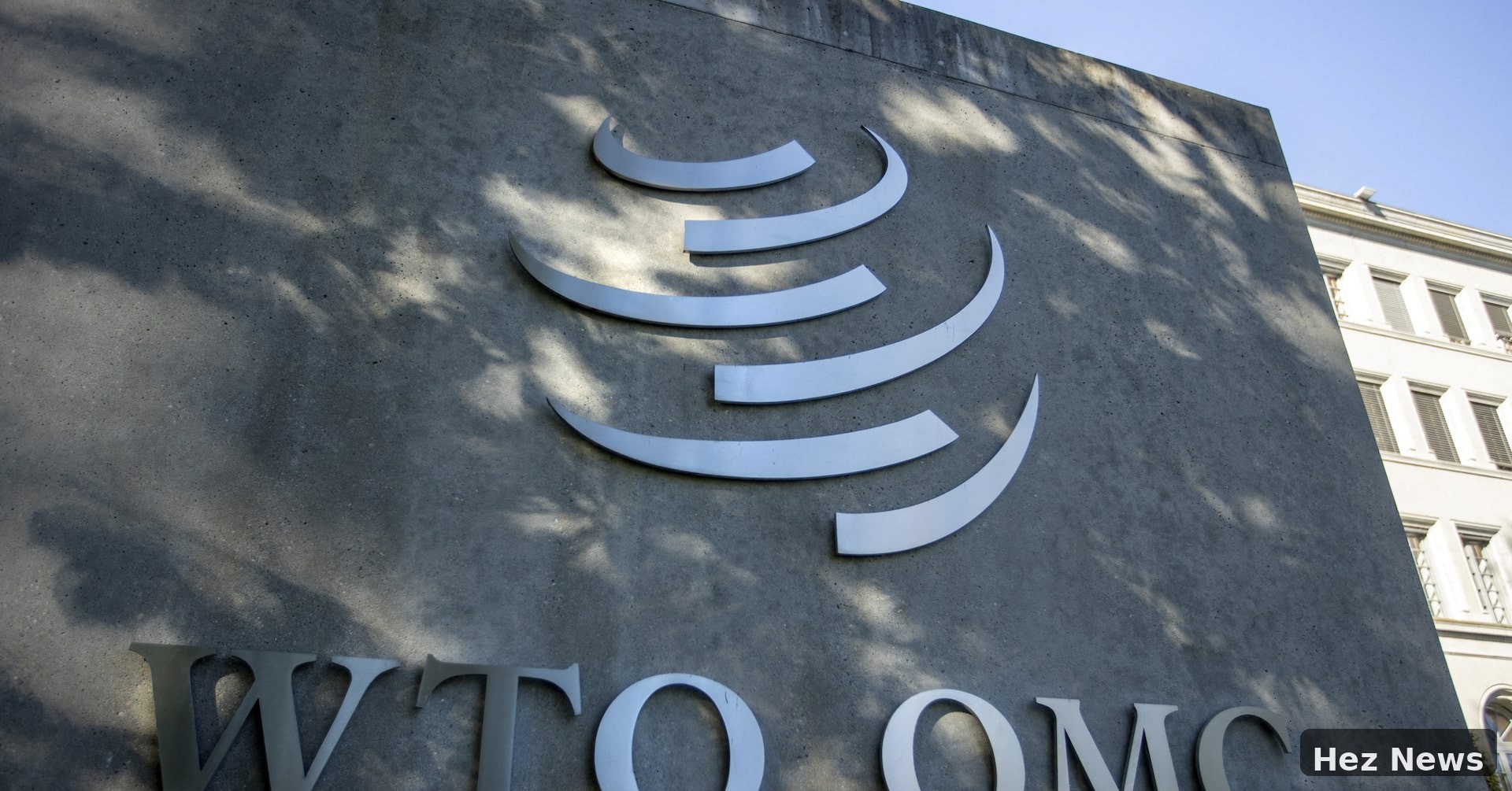
GENEVA, Sept 25 (Reuters) - The World Trade Organization's (WTO) dispute settlement body has officially accepted Russia's request to establish a panel that will scrutinize the European Union's controversial carbon border levy.
This development marks a significant step in a growing trade dispute that could have wide-ranging implications not only for Russia but also for other nations, including Nigeria, which is increasingly involved in global trade. The carbon border levy, aimed at imposing charges on imports from countries with less stringent environmental regulations, has raised concerns among several member states.
Understanding the Carbon Border Levy
The EU's carbon border adjustment mechanism (CBAM) is designed to tackle climate change by ensuring that imported goods are subject to the same carbon costs as those produced within the EU. This measure is part of the EU's broader Green Deal, which seeks to achieve climate neutrality by 2050.
However, critics argue that the levy could lead to trade imbalances and disproportionately affect developing economies. For instance, Nigeria, which relies heavily on exports of oil and agricultural products, might face increased costs if its goods are subjected to these new tariffs.
Russia's Position and Broader Implications
Russia, which initiated the dispute, argues that the EU's carbon border levy is a form of protectionism disguised as an environmental measure. The Russian government asserts that this mechanism unfairly penalizes countries that do not have the same regulatory frameworks as the EU. The outcome of this dispute could set a precedent for how international trade and environmental policies intersect.
Nigeria's stakeholders, particularly those in the agricultural and oil sectors, are closely monitoring the situation. The potential for increased tariffs could lead to higher prices for Nigerian consumers and reduced competitiveness for Nigerian exports in the European market.
The Path Forward
The establishment of the panel by the WTO is just the beginning of what could be a lengthy process. As the panel examines the legality of the EU's carbon border levy under international trade rules, various nations, including Nigeria, may want to consider their positions and strategies in response to the evolving situation.
In conclusion, while the EU emphasizes the need for stringent environmental regulations, the implications of the carbon border levy extend beyond climate change, touching on critical aspects of global trade and economic stability. The world will be watching closely as this dispute unfolds, particularly nations like Nigeria that are at the crossroads of environmental responsibility and economic development.






Leave a Comment