

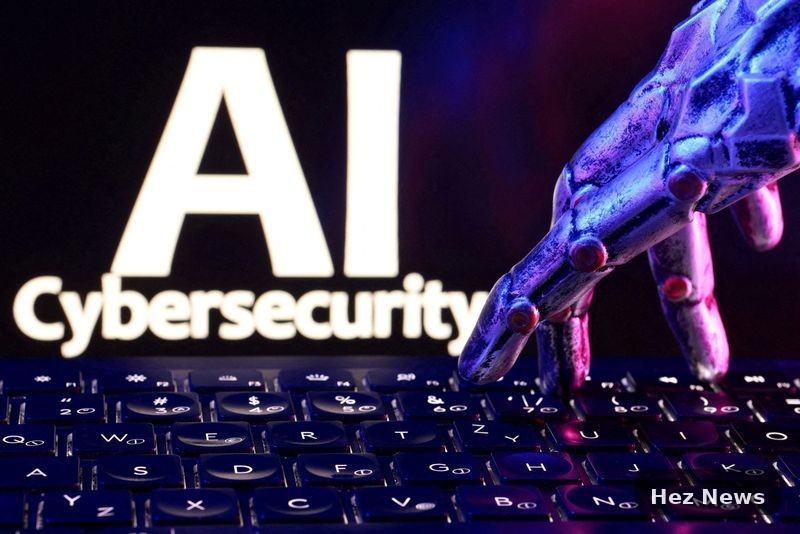
Recent comments from Demis Hassabis, co-founder and Chair of Google DeepMind, have raised alarms regarding the escalating threat of AI-driven hacking incidents. During a recent conference in Dublin, Hassabis described these events as "early warning shots" that signal potential vulnerabilities in our technological infrastructure.
Impending Threats
As artificial intelligence continues to advance, its applications have become increasingly sophisticated. However, this has also opened up new avenues for cybercriminals to exploit these technologies. Hassabis emphasized that without enhanced security measures, the world could soon witness more severe incidents that could compromise critical systems and data.
In Nigeria, where digital transformation is rapidly occurring, the implications of AI hacking are particularly concerning. With more businesses and governmental institutions adopting AI tools, the risk of exposure to cyberattacks becomes significant. Experts warn that Nigeria must prioritize cybersecurity and consider the potential ramifications of AI on its digital landscape.
Global Context
The statement from Hassabis comes at a time when cybercrime is on the rise globally. According to reports, cyberattacks have increased by over 50% in the past year alone, with AI being a central theme in many of these incidents. Hackers are using AI technologies to automate attacks, making them faster and more efficient.
Countries around the world are grappling with how to respond to this growing threat. As nations seek to bolster their defenses, collaborative efforts among tech companies, governments, and cybersecurity experts are crucial. The Nigerian government, in particular, must engage with international stakeholders to ensure that local businesses are not left vulnerable.
Calls for Action
In light of these developments, Hassabis urged that both public and private sectors must take proactive steps towards enhancing their cybersecurity frameworks. He suggested that organizations should invest in AI safety research and develop robust systems capable of detecting and mitigating threats before they can cause harm.
For Nigeria, this may mean implementing stricter regulations and standards for AI technologies, as well as fostering educational initiatives to equip the workforce with the necessary skills to combat cyber threats. A focus on cybersecurity awareness and training can empower individuals and organizations to recognize and respond to potential threats.
As the world confronts the reality of AI-driven hacking, it is essential that Nigeria remains vigilant and proactive. By addressing these challenges head-on, the nation can safeguard its digital future and protect its citizens from the perils of cybercrime.






Leave a Comment