

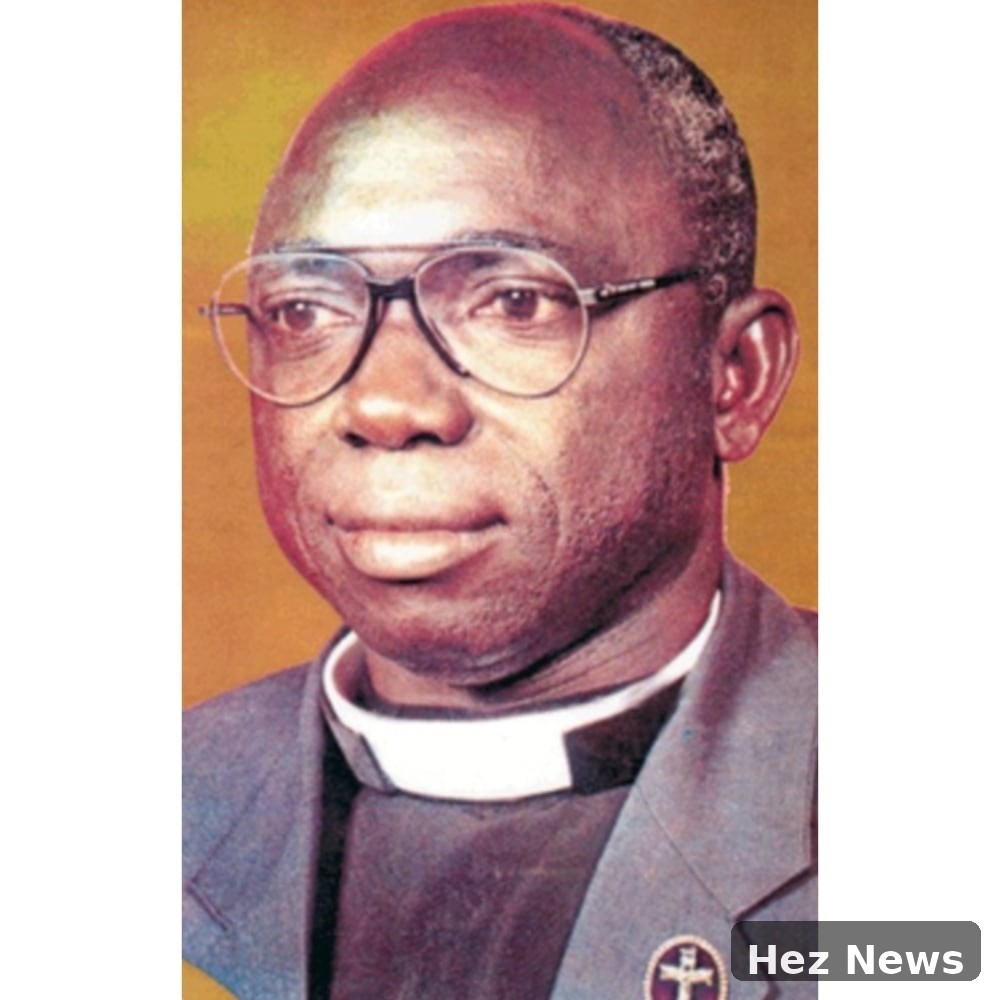
Benue State, established over five decades ago, has an intriguing political legacy shaped significantly by its religious leaders. Notably, the state is distinguished for having produced two governors who were also Catholic priests.
A Historical Overview
The first priest-governor was the late Rev. Fr. Moses Adasu, who served from 1992 to 1993. His tenure marked a pivotal moment in Benue's governance, blending spiritual leadership with political authority. Adasu, known for his humility and dedication, left a profound impact on the state’s development.
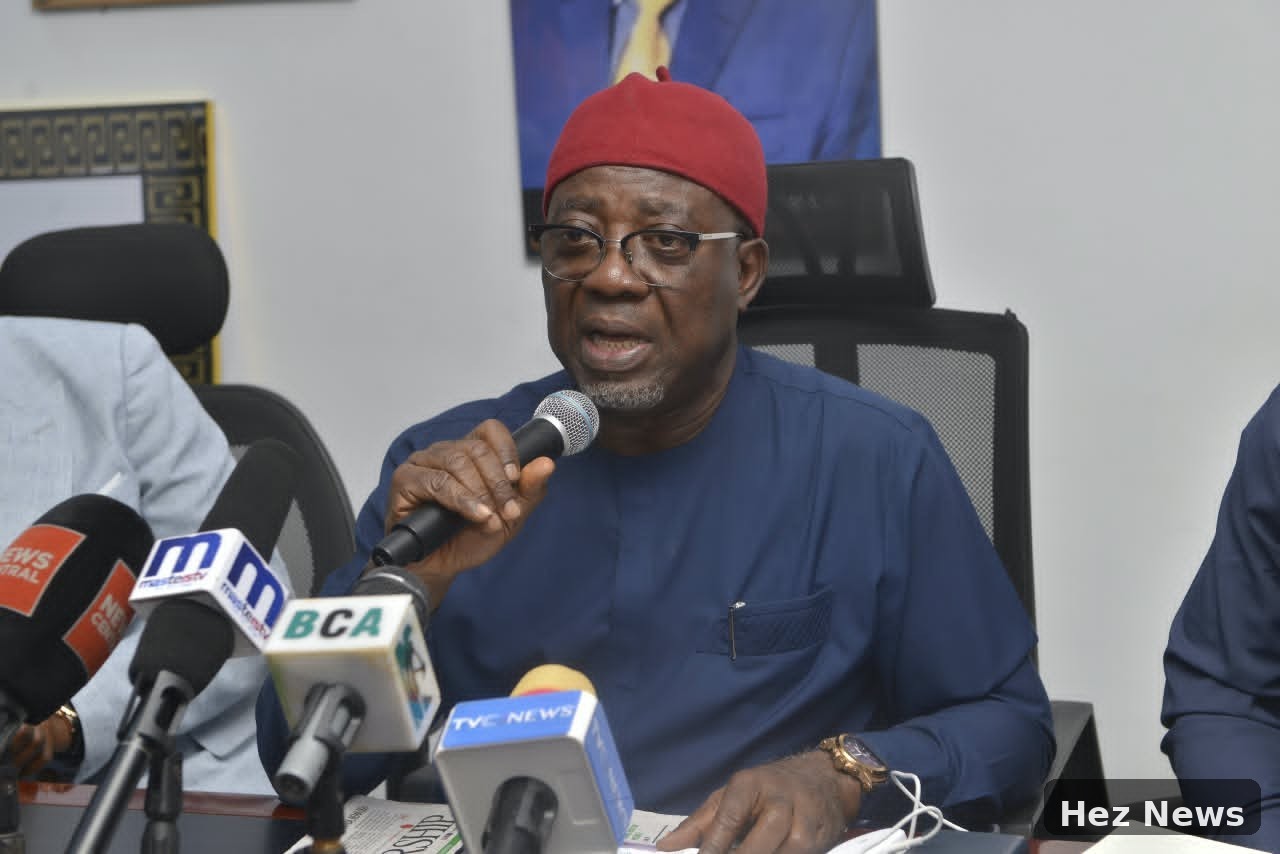
Following Adasu, Rev. Fr. Tersoo Kula emerged as the second priest to ascend to the governorship, a significant achievement that highlights the intersection of faith and leadership in Benue's political landscape.
The Role of Religion in Governance
Religion plays a crucial role in the lives of many Nigerians, particularly in the Middle Belt region, where Benue is located. The influence of the Catholic Church in the state is significant, providing moral guidance and community support. Governor Kula continues to emphasize the importance of faith in governance, asserting that moral integrity and community values should guide political decisions.
Community Impact and Expectations
Residents of Benue have expressed pride in their unique political heritage, viewing the priesthood as a symbol of integrity and service. The expectation is that leaders from such backgrounds will prioritize the welfare of the people over personal ambition.
Many believe that the governance style of a religious leader like Kula could lead to more transparent and accountable leadership, fostering a sense of trust among the populace.
Challenges Ahead
Despite the promising legacy, challenges remain. Benue has faced various issues, including conflicts arising from land disputes and ethnic tensions. The priest-governor's administration is tasked with addressing these sensitive issues while maintaining peace and unity.
Governor Kula aims to leverage his background to foster dialogue and reconciliation among conflicting groups, drawing on the teachings of the church to promote peace.
Conclusion
As Benue State continues to navigate its political landscape, the legacy of its priest-governors serves as a reminder of the potential for faith to influence governance positively. The intersection of religion and politics in Benue presents both opportunities and challenges that will shape the future of the state.
As we look ahead, the expectations from both Governor Kula and the community are high, with hopes that they will work together towards a more prosperous and peaceful Benue.


Leave a Comment