

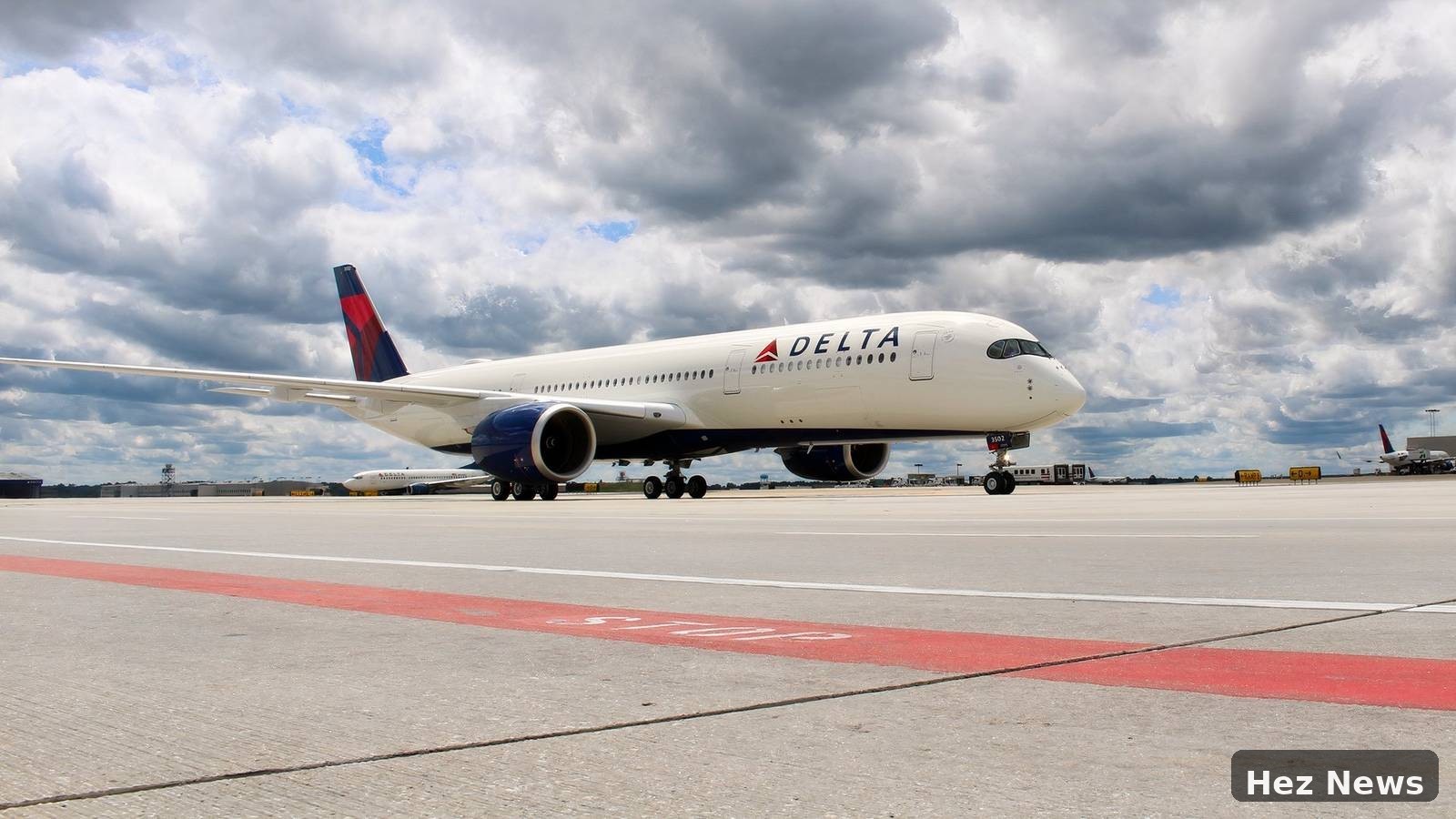
In a surprising move for aviation enthusiasts and industry experts alike, Delta Air Lines has decided to forgo the Boeing 787 Dreamliner in favor of the Airbus A350. This decision raises several questions, particularly in a global aviation market where the competition between aircraft manufacturers is intense.
Delta's History with Boeing
Delta Air Lines has a storied history with Boeing, having operated various models over the years. However, following its merger with Northwest Airlines in 2008, Delta inherited an order for 18 Boeing 787-8 aircraft. Despite this initial commitment, Delta has since canceled these orders, signaling a clear shift in strategy.
Reasons Behind the Shift
Delta's preference for the Airbus A350 over the Boeing 787 can be attributed to several factors:
- Operational Efficiency: The A350 is known for its fuel efficiency and lower operating costs, which are crucial for airlines operating in a competitive market.
- Passenger Comfort: The A350 is designed with passenger comfort in mind, featuring higher cabin pressure, quieter engines, and larger windows, which contribute to a better flying experience.
- Fleet Standardization: By focusing on Airbus aircraft, Delta aims to standardize its fleet, which can simplify maintenance and training for pilots and crew.
Delta's Current Fleet Composition
As of now, Delta operates a diverse fleet, but the absence of the Boeing 787 is notable. The airline has successfully integrated the Airbus A330 and A350 into its long-haul operations, which have proven to be reliable and popular among passengers. With Nigeria becoming an increasingly important market for international airlines, Delta’s choice of aircraft will play a significant role in its ability to serve this route effectively.
The Nigerian Market and Future Prospects
Nigeria's aviation sector has been on the rise, with more international flights being added to accommodate the growing demand. Delta’s decision to focus on the Airbus A350 could provide it with a competitive edge in this market, especially as Nigerian travelers increasingly seek comfort and efficiency in their long-haul flights.
Moreover, Delta's investment in the A350 aligns with the airline's strategy to enhance its international service offerings, particularly to African nations. With Nigeria being a key destination, Delta is likely to continue evaluating its fleet composition to meet the needs of Nigerian passengers.
Conclusion
In conclusion, Delta Air Lines' decision to favor the Airbus A350 over the Boeing 787 Dreamliner reflects a strategic choice aimed at optimizing operational efficiency and passenger experience. As the aviation landscape continues to evolve, Delta's focus on modern aircraft may well position it favorably in competitive markets, including Nigeria.






Leave a Comment