

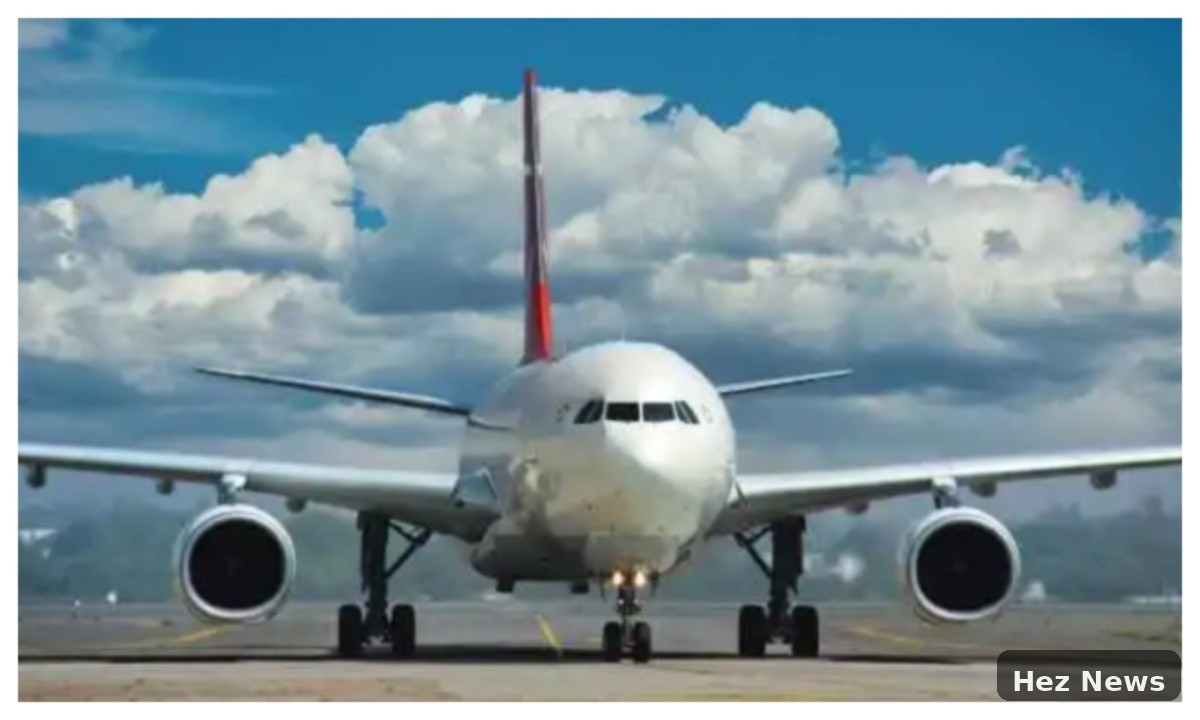
The Federal Government of Nigeria is reportedly exploring a new seat-for-debt arrangement aimed at resolving the significant debts that domestic airlines currently face. This potential initiative comes as a response to the ongoing financial struggles within the aviation sector, which have been exacerbated by various challenges including the recent economic downturn and rising operational costs.
Understanding the Context
Nigeria's aviation industry has been under immense pressure due to factors such as fluctuating fuel prices, currency devaluation, and the impact of the COVID-19 pandemic. Many airlines have found it increasingly difficult to maintain operations, leading to a backlog of debts that threaten their viability. The situation has raised concerns about the future of air travel in Nigeria, which is crucial for both commerce and tourism.
The Proposed Solution
The proposed seat-for-debt arrangement would allow airlines to settle their debts by providing the government with a share of their seat inventory. This innovative approach aims to alleviate the financial burden on airlines while also ensuring that the government secures a steady flow of revenue from flight operations.
Under this arrangement, airlines would allocate a portion of their seats to the government, which could then be used for various purposes, including subsidizing travel for essential workers or promoting tourism. This strategy is seen as a win-win, as it could help airlines manage their debts while ensuring that the government can support critical sectors of the economy.
Government's Stance
The Federal Government is aware of the significant role that a robust aviation sector plays in Nigeria's economy. Officials have emphasized that supporting domestic airlines is a priority, as their survival is vital for job preservation and economic stability. The government has indicated its willingness to engage with industry stakeholders to finalize the details of the proposed arrangement.
Impact on the Aviation Sector
If implemented successfully, the seat-for-debt arrangement could significantly impact the aviation landscape in Nigeria. It may provide the much-needed financial relief for airlines, enabling them to focus on improving their services and enhancing passenger experience. Additionally, it could potentially lead to an increase in air travel as airlines regain financial stability.
Challenges Ahead
While the concept is promising, there are challenges that need to be addressed before the arrangement can be put into action. Regulatory compliance, stakeholder agreement, and ensuring fair distribution of seats are just a few of the hurdles that must be navigated. Moreover, the government must ensure that this initiative does not lead to a further dilution of service quality as airlines juggle their financial obligations.
Conclusion
As the Federal Government considers this innovative approach to tackle the debts of domestic airlines, the aviation sector watches closely. The outcome of these discussions could very well shape the future of air travel in Nigeria, making it essential for all parties involved to engage in constructive dialogue. The proposed seat-for-debt arrangement might just be the lifeline that the beleaguered industry needs to recover and thrive in the coming years.


Leave a Comment