

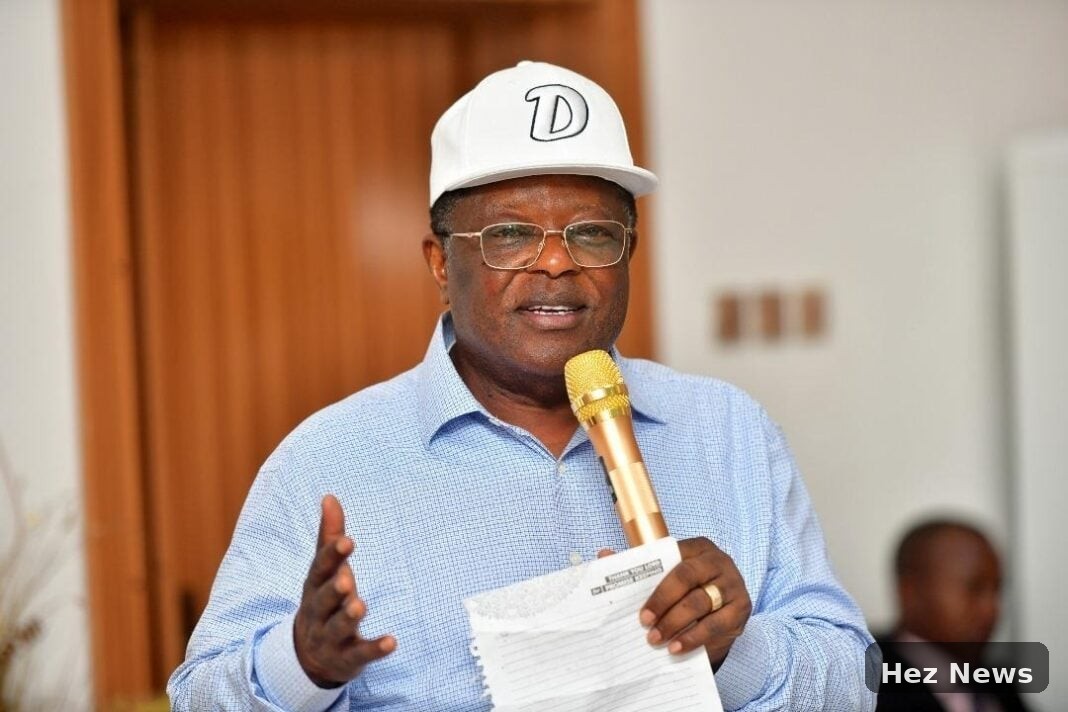
The Nigerian Minister of Works, David Umahi, has taken decisive action to expedite the construction of the Calabar-Ebonyi-Benue-Kogi-Nasarawa-Abuja Superhighway. In a recent directive, he instructed contractors to open multiple work fronts across the project to enhance productivity and ensure timely delivery.
Importance of the Superhighway Project
This significant infrastructure project is designed to improve connectivity between the southeastern and northern regions of Nigeria, facilitating trade and travel. The superhighway is a critical component of Nigeria's national development strategy, aimed at boosting economic activities and reducing travel time across these states.
Umahi's Vision for Infrastructure Development
Umahi emphasized the need for speed and efficiency in the execution of this project, highlighting the government's commitment to infrastructure as a pathway to national growth. He stated, “We cannot afford delays in this project. The multiple work fronts will ensure that we cover more ground in a shorter period.”
By opening various work fronts, contractors can simultaneously tackle different sections of the highway, which is expected to significantly reduce the overall construction time. This approach aligns with global best practices in large-scale infrastructure projects.
Challenges Facing the Superhighway Project
Despite the optimistic outlook, the project has faced challenges, including funding issues, land acquisition disputes, and environmental concerns. Addressing these hurdles is critical for the successful completion of the superhighway.
Umahi urged all stakeholders to collaborate effectively to overcome these challenges, ensuring that the project meets its set timelines. He reiterated the importance of maintaining quality standards throughout the construction process, stating that “the safety and satisfaction of the Nigerian people are paramount.”
Community Engagement and Economic Impact
The superhighway is not just a means of transportation; it is also expected to stimulate local economies by creating jobs and improving access to markets for farmers and businesses along the route. Local communities will benefit from increased trade opportunities as transportation becomes more efficient.
Umahi's directives come at a crucial time as Nigeria seeks to bolster its infrastructure in the face of growing demands from a rapidly urbanizing population. The superhighway is envisioned as a catalyst for development, linking diverse regions and fostering economic integration across the country.
As the project progresses, the minister has promised regular updates to the public to maintain transparency and ensure that citizens are informed about the developments.





Leave a Comment