

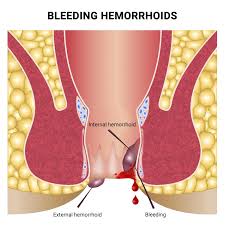
Introduction To Hemorrhoids
Hemorrhoids, also known as piles, are swollen veins located in and around the anus and lower rectum. They’re remarkably common and about 50% of adults experience symptoms of piles by the time they reach 50. While piles are a natural part of our anatomy, they behave just like Hernia and go unnoticed unless they become enlarged or inflamed, leading to uncomfortable and sometimes painful symptoms.
Hemorrhoids can develop internally, inside the rectum and are very troublesome.
Though pile can be irritating and even painful, they’re treatable. Many people find relief with home remedies and lifestyle adjustments, but more persistent cases may require medical intervention. Understanding the causes, symptoms, and available treatments can help you manage this condition effectively and improve your overall comfort and quality of life.
Types Of Hemorrhoids?
They are vascular structures in the anal canal that help with stool control. pibecome problematic when swollen or inflamed, leading to symptoms that may require attention. they are broadly categorized into two types:
-
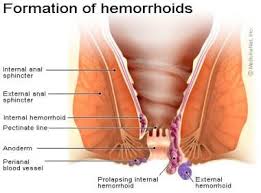
Internal Hemorrhoids: Located inside the rectum, these are typically painless but may cause bleeding during bowel movements.
-
External Hemorrhoids: Found under the skin around the anus, these can be itchy or painful and may sometimes bleed.
-
Prolapsed Hemorrhoids: Both internal and external pile can protrude, meaning they extend and push out from the anus. These prolapsed pile may cause discomfort, pain, or bleeding.
Occasionally, both internal and external pile can prolapse, meaning they stretch and bulge outside the anus, leading to increased discomfort.
Know that a lot anybody can get pile, especially those living with the following conditions or those that engage in the following activities:
- if you are obese.
- If you are pregnant.
- If you are low on fiber.
- If you have chronic constipation or diarrhea.
- If you are a heavy weight lifter or you regularly lift heavy objects.
- If you spend a lot of time sitting on the toilet.





Leave a Comment