

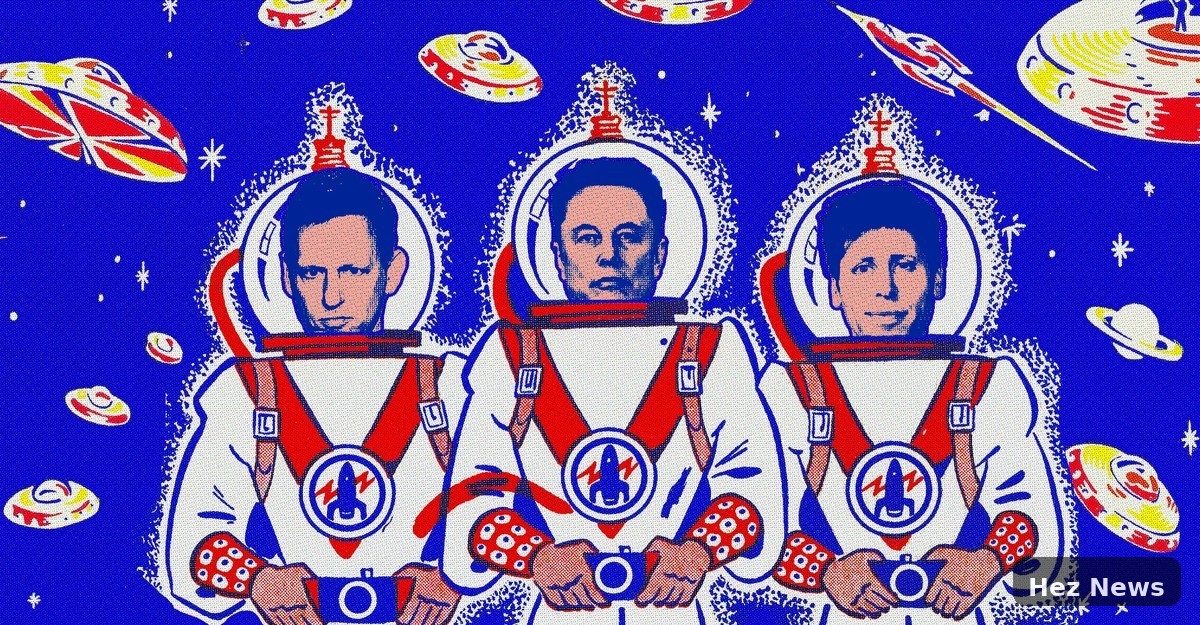
In recent discussions about the future of technology and artificial intelligence, influential figures like Elon Musk, Peter Thiel, and Sam Altman have drawn extensively from science fiction narratives. However, their interpretations have often deviated from the original messages embedded within these stories. This article explores how these misinterpretations can impact technological advancement, particularly in contexts relevant to Nigeria.
The Allure of Science Fiction
Science fiction has long served as a lens through which we can envision future societies and technologies. From Isaac Asimov's Foundation series to Philip K. Dick's Do Androids Dream of Electric Sheep?, these narratives not only entertain but also provoke thought about the ethical and social implications of technological advancements.
Musk, Thiel, and Altman's Perspectives
Elon Musk, known for his ambitious ventures such as Tesla and SpaceX, often refers to science fiction to justify his transformative ideas. Musk's vision of colonizing Mars and the development of AI aligns with themes found in dystopian literature. However, critics argue that his interpretations neglect the cautionary tales embedded within these works.
Peter Thiel, co-founder of PayPal and a prominent venture capitalist, also draws heavily on sci-fi themes. His belief in monopolistic tech companies as a path to progress echoes sentiments from various sci-fi narratives. Yet, such perspectives can overlook the importance of equitable access to technology, a concern particularly relevant in Nigeria, where digital divides persist.
Sam Altman, CEO of OpenAI, emphasizes the potential of AI to solve global problems. While this vision is optimistic, it can be too simplistic. Many science fiction stories illustrate the unforeseen consequences of unchecked technological growth, reminding us that innovation must be coupled with responsibility.
The Nigerian Context
In Nigeria, the implications of these misreadings of science fiction are significant. As the country grapples with its unique challenges—ranging from economic instability to infrastructural deficits—the adoption of emerging technologies must be approached with caution. The narratives that resonate with local audiences often emphasize collaboration and communal benefits, contrasting sharply with the individualistic approaches favored by some tech leaders.
For instance, while AI has the potential to revolutionize sectors like agriculture and healthcare in Nigeria, it is crucial to ensure that these technologies are accessible to all, particularly to marginalized communities. The lessons from sci-fi can guide policymakers in crafting inclusive frameworks that prioritize ethical considerations.
Conclusion
The misinterpretations of science fiction by figures like Musk, Thiel, and Altman highlight the need for a more nuanced understanding of technological narratives. As Nigeria continues to navigate its path in the digital age, leveraging insights from science fiction can help foster a more equitable and sustainable technological landscape. By centering local contexts and needs, Nigeria can better harness the potential of technology for the benefit of all its citizens.






Leave a Comment