

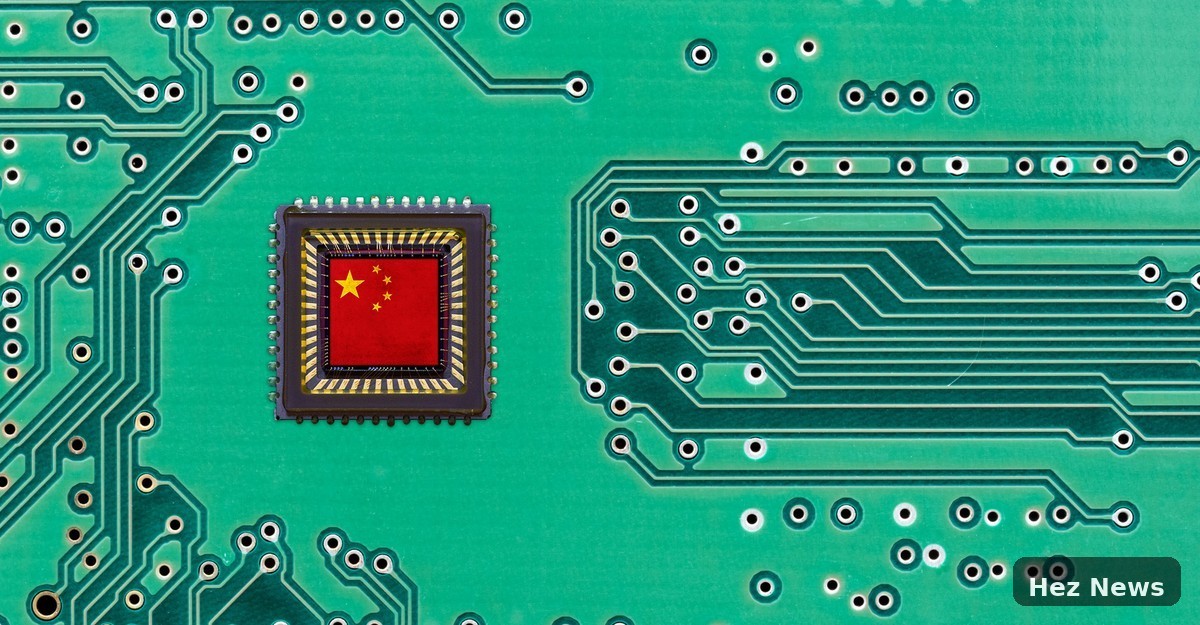
In a significant shift in international trade policy, late last year, former U.S. President Donald Trump announced the easing of restrictions on chip exports to China. This move allows companies like Nvidia to sell their advanced H200 AI chips to selected Chinese firms, prompting a wave of discussions about the implications for global technology markets.
Understanding the Policy Change
The decision to loosen controls on chip exports was met with mixed reactions from lawmakers and industry experts. Many expressed concerns that this could enable China to advance its technological capabilities at a faster pace, potentially leading to a resurgence in its own tech industry.
As Nigeria continues to navigate its own technological aspirations, the implications of such policies are particularly relevant. With the Nigerian government pushing for a digital economy, the developments in China’s tech landscape could have ripple effects across Africa.
The Nigerian Context
In Nigeria, where technology adoption is rapidly increasing, the easing of U.S. restrictions might impact local tech companies that rely on foreign technology. Many Nigerian startups are keen on leveraging AI and machine learning to solve local problems, and they often look to international markets for advanced technology.
The availability of high-quality chips like Nvidia's H200 could present opportunities for Nigerian tech firms to enhance their capabilities. This could lead to innovations in various sectors, including finance, healthcare, and agriculture, which are critical to Nigeria's economic growth.
Concerns Over National Security
While the policy aims to foster economic ties, it raises significant national security concerns. Lawmakers in the U.S. worry that such technology could be used in ways that threaten global stability. For Nigeria, the balance between fostering innovation and ensuring security will be crucial.
Moreover, as Nigerian policymakers consider ways to boost the local tech industry, they must remain vigilant about the potential implications of foreign technology on national security and data privacy.
The Future of Tech in Nigeria
As China continues to grow its tech sector with the help of U.S. technologies, Nigeria could find itself at a crossroads. The country has the potential to become a technology hub in Africa, but it requires careful navigation of international trade policies and partnerships.
Nigerian entrepreneurs must also focus on building local capacities and fostering innovation domestically to reduce dependency on foreign technology. Collaborations with international firms, while beneficial, should be approached with caution to ensure that Nigeria's interests are safeguarded.
Conclusion
The easing of chip export controls to China is a pivotal moment in the global tech landscape that could have significant implications for Nigeria. As the country works to establish itself as a leader in technology within Africa, understanding these international dynamics will be essential for policymakers and business leaders alike.






Leave a Comment