
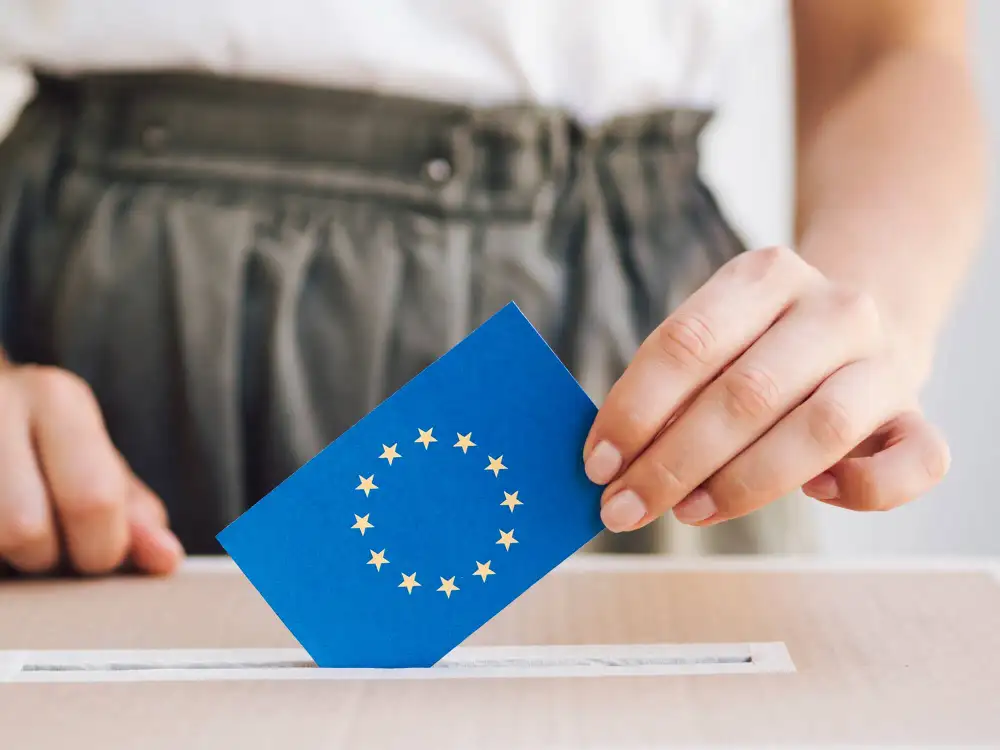
In a pivotal moment for France's political landscape, far-right leader Marine Le Pen has made a calculated move to attract the attention of the nation’s business elite during her initial presidential debate. This engagement comes at a critical time as the country prepares for upcoming elections, and Le Pen's approach aims to reshape perceptions of her party among influential economic stakeholders.
Le Pen's Business-Centric Approach
During the debate, Le Pen emphasized her commitment to supporting French businesses and creating a favorable economic environment. Her strategy focuses on reducing taxes for companies and promoting a more nationalist economic policy that prioritizes local industries. This resonates with many Nigerians who are witnessing similar discussions regarding local content and business sustainability in their own economy.
Le Pen's rhetoric underscores a broader trend in global politics where leaders seek to align their platforms with the interests of the business community. As Nigeria continues to navigate economic challenges, the insights from Le Pen's debate could provide valuable lessons for Nigerian political figures looking to engage with local entrepreneurs and business leaders.
The Political Landscape in France
As Le Pen seeks to bolster her image, the political climate in France remains charged. The upcoming elections are poised to be a defining moment not just for France but for the European Union as a whole. Observers note that her push for business support is part of a larger strategy to consolidate power and appeal to a broader voter base, including those disillusioned by traditional parties.
For Nigerian readers, this situation presents an opportunity to reflect on the importance of political engagement with business sectors. In a rapidly evolving economy, understanding the dynamics between government policies and business growth is crucial for national development.
Implications for Nigeria
As discussions about economic policies heat up in both France and Nigeria, it is essential for local leaders to take cues from international political dynamics. The necessity for a cohesive strategy that fosters economic growth while ensuring that local businesses thrive cannot be overstated. The relationship between government and industry is critical in shaping a resilient economic future.
Nigeria's own business leaders might draw inspiration from Le Pen's efforts to connect with the economic community, emphasizing the need for policies that are not just politically driven but also economically sound. The success of such initiatives could very well define the trajectory of Nigeria's economic landscape in the coming years.



Leave a Comment