
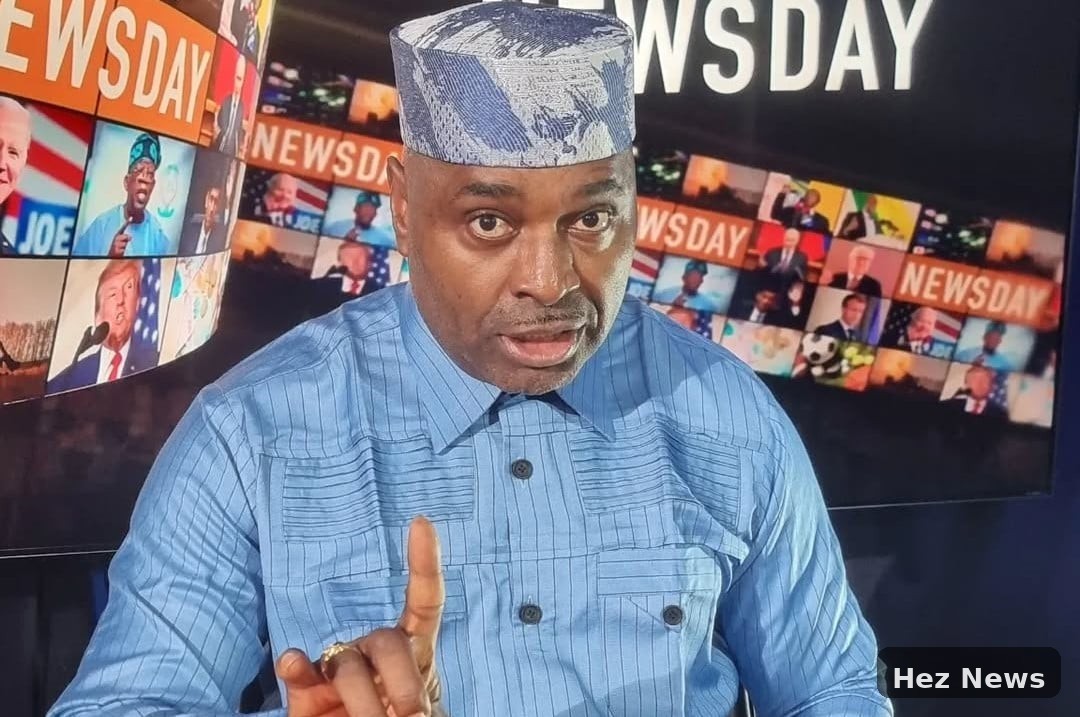
Kenneth Okonkwo, a prominent member of the African Democratic Congress (ADC), has raised serious allegations against the administration of President Bola Tinubu, claiming that it is covertly reinstating the fuel subsidy in Nigeria. This assertion has ignited a heated debate across the nation, as citizens grapple with the implications of such a move on the already strained economy.
Background on Fuel Subsidy in Nigeria
The fuel subsidy has been a contentious issue in Nigeria for decades. Historically, the government has subsidized fuel prices to alleviate the financial burden on citizens. However, the subsidy has often led to significant financial losses for the government and accusations of corruption and mismanagement. In July 2023, President Tinubu announced the removal of the subsidy, a decision that was met with mixed reactions from the populace.
Okonkwo's Claims and Concerns
In a recent statement, Okonkwo expressed his concerns about the government's alleged plans to reintroduce the subsidy without public knowledge. He emphasized that such actions are deceptive and undermine the trust of the Nigerian people in their leaders. “They lied to Nigerians,” Okonkwo stated, emphasizing that transparency is crucial for the governance process.
According to Okonkwo, the return of the subsidy could have dire consequences for the economy, potentially leading to an increase in fuel prices and further inflation. He urged the government to prioritize the welfare of Nigerians and to communicate openly about any policy changes that impact the economy.
Public Reaction
The response from the public has been mixed, with some citizens supporting Okonkwo's claims while others are skeptical. Many Nigerians, still grappling with the impact of the subsidy removal, are wary of any potential return to a policy that has historically been fraught with issues. Social media platforms have been abuzz with discussions, as citizens express their frustrations and opinions on the matter.
Economists are also weighing in, noting that the revival of the subsidy could exacerbate the country’s economic challenges. They argue that rather than reinstating the subsidy, the government should focus on improving the oil sector’s efficiency and increasing local production.
Conclusion
The allegations made by Kenneth Okonkwo have sparked a significant conversation about the future of fuel pricing in Nigeria. As the government navigates these complex issues, the need for transparency and accountability has never been more critical. Nigerians are watching closely, eager for clarity on policies that directly affect their lives.

Leave a Comment