

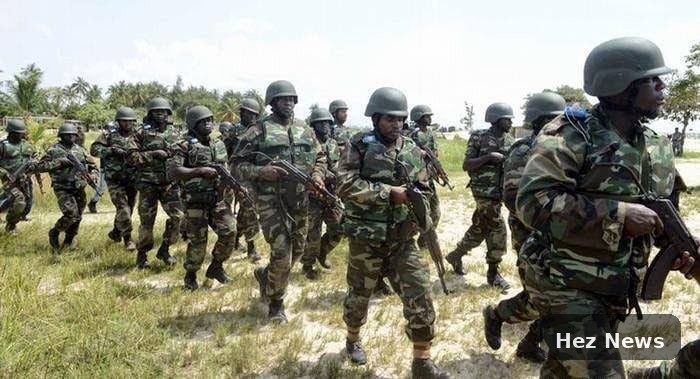
The Nigerian military continues its relentless campaign against insurgency in the northeastern region, specifically targeting the Islamic State West Africa Province (ISWAP). In a recent precision airstrike conducted by the Air Component of the Joint Task Force, over 40 ISWAP fighters were reported killed. This operation underscores the military's commitment to eradicating terrorist threats in Nigeria.
Details of the Operation
The airstrike, which took place in Borno State, was part of ongoing operations aimed at dismantling ISWAP’s operational capabilities. According to military sources, the strike was meticulously planned and executed, resulting in significant casualties among the terrorist ranks.
This decisive action aligns with the Nigerian government's broader strategy to restore peace and security in the region, which has faced years of violence and instability due to the activities of ISWAP and its predecessor, Boko Haram.
Background on ISWAP
ISWAP emerged as a splinter group of Boko Haram, adopting a more structured approach to its insurgency. The group has been responsible for numerous attacks on military targets, as well as civilian populations in the northeastern states of Nigeria. Their activities have led to the displacement of millions and a humanitarian crisis that continues to unfold.
Military's Ongoing Campaign
The Nigerian military has ramped up its operations in recent months, with airstrikes and ground offensives aimed at disrupting ISWAP's logistics and command structures. This latest airstrike is seen as a crucial step in weakening the group’s influence in the region.
Officials have emphasized the importance of community cooperation in these efforts, urging citizens to report suspicious activities that could indicate insurgent movements. The military's success is heavily reliant on intelligence gathering and the support of local populations.
International and Local Reactions
The recent military successes have garnered attention both locally and internationally. Many Nigerians have expressed hope that these measures will lead to a more stable environment, allowing for the return of displaced individuals to their homes.
However, challenges remain as ISWAP continues to adapt and respond to military pressures. Analysts warn that while airstrikes can yield immediate results, a comprehensive strategy involving socio-economic development and community engagement is essential for lasting peace.
As the situation develops, the military remains committed to its objectives, and further operations are expected in the coming weeks.




Leave a Comment