

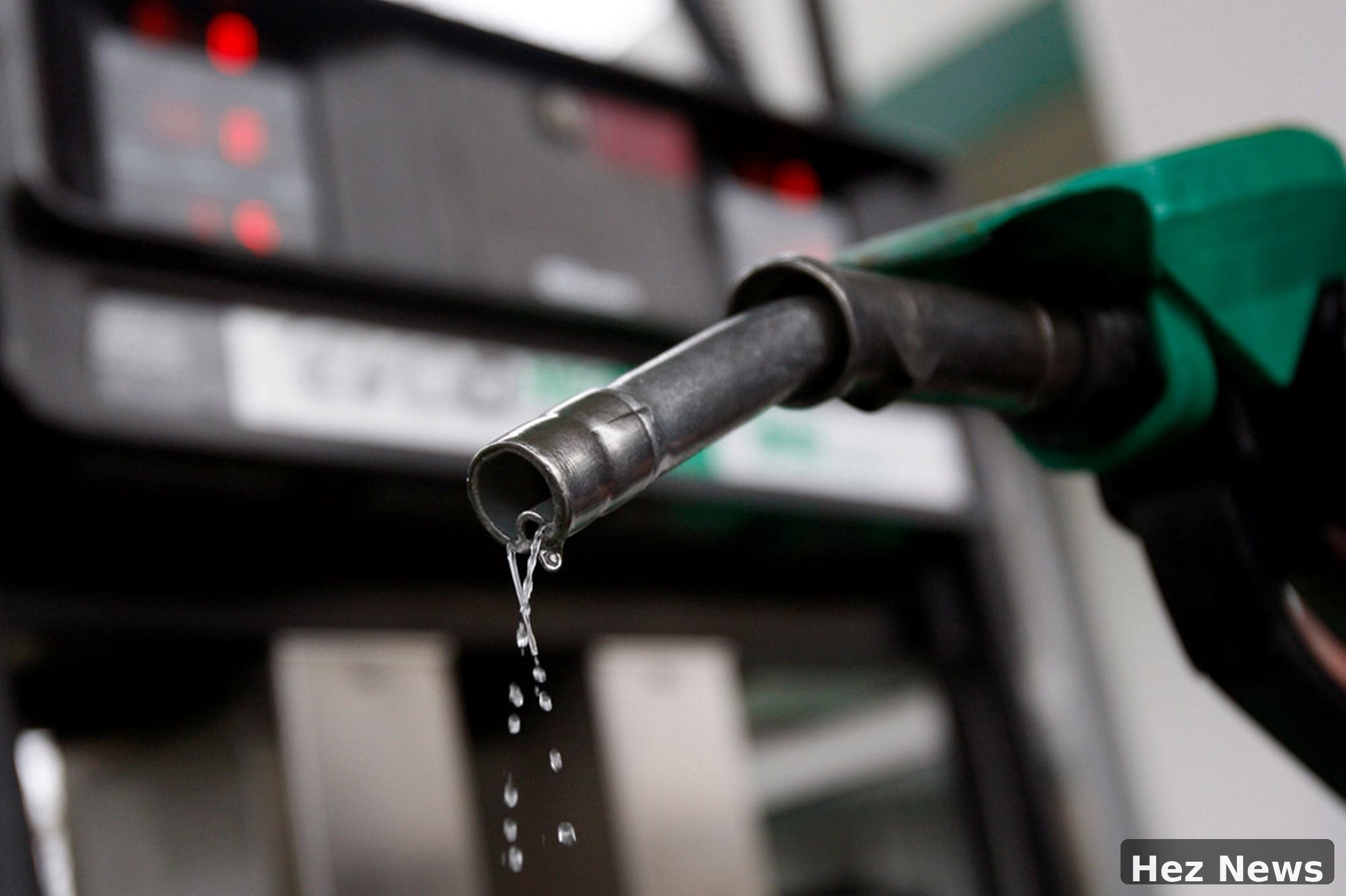
The Nigerian National Petroleum Company Limited (NNPCL) has announced a reduction in petrol prices at its filling stations across Abuja. This move comes as part of ongoing efforts to provide more affordable fuel options for consumers amid fluctuating market conditions.
Details of the Price Reduction
According to a recent market survey conducted by DAILY POST on Sunday, the new price at NNPCL stations is now set at N1,405 per litre. This adjustment marks a significant change in the pricing structure, reflecting the company's response to current economic factors and consumer demand.
Background on Fuel Pricing in Nigeria
Fuel prices in Nigeria have been a major topic of discussion, particularly in the wake of reforms in the oil and gas sector. The cost of petrol has seen numerous fluctuations due to various factors including global oil prices, exchange rates, and local distribution costs. The NNPCL has been pivotal in managing these changes to ensure stability in the market.
Impact on Consumers and the Economy
The reduction in petrol prices is expected to provide relief to many Nigerians who have been grappling with the rising cost of living. Transport costs, which are heavily influenced by fuel prices, are likely to see a decrease, potentially easing the financial burden on families and businesses.
Public Reaction
Reactions from the public have been mixed, with many expressing optimism about the price cut while others remain skeptical about its sustainability. Some consumers have pointed out that while this reduction is welcome, they hope it signals a trend towards more stable and affordable fuel prices in the future.
Future Outlook
As the NNPCL continues to navigate the complexities of fuel pricing in Nigeria, stakeholders are urged to monitor the situation closely. The government's role in regulating and facilitating a conducive environment for fuel distribution will be crucial in determining the long-term effects of this price reduction.
In conclusion, the latest price adjustment by the NNPCL is a significant development for the Nigerian fuel market. It remains to be seen how this will influence overall economic conditions and consumer behavior in the coming weeks and months.





Leave a Comment