

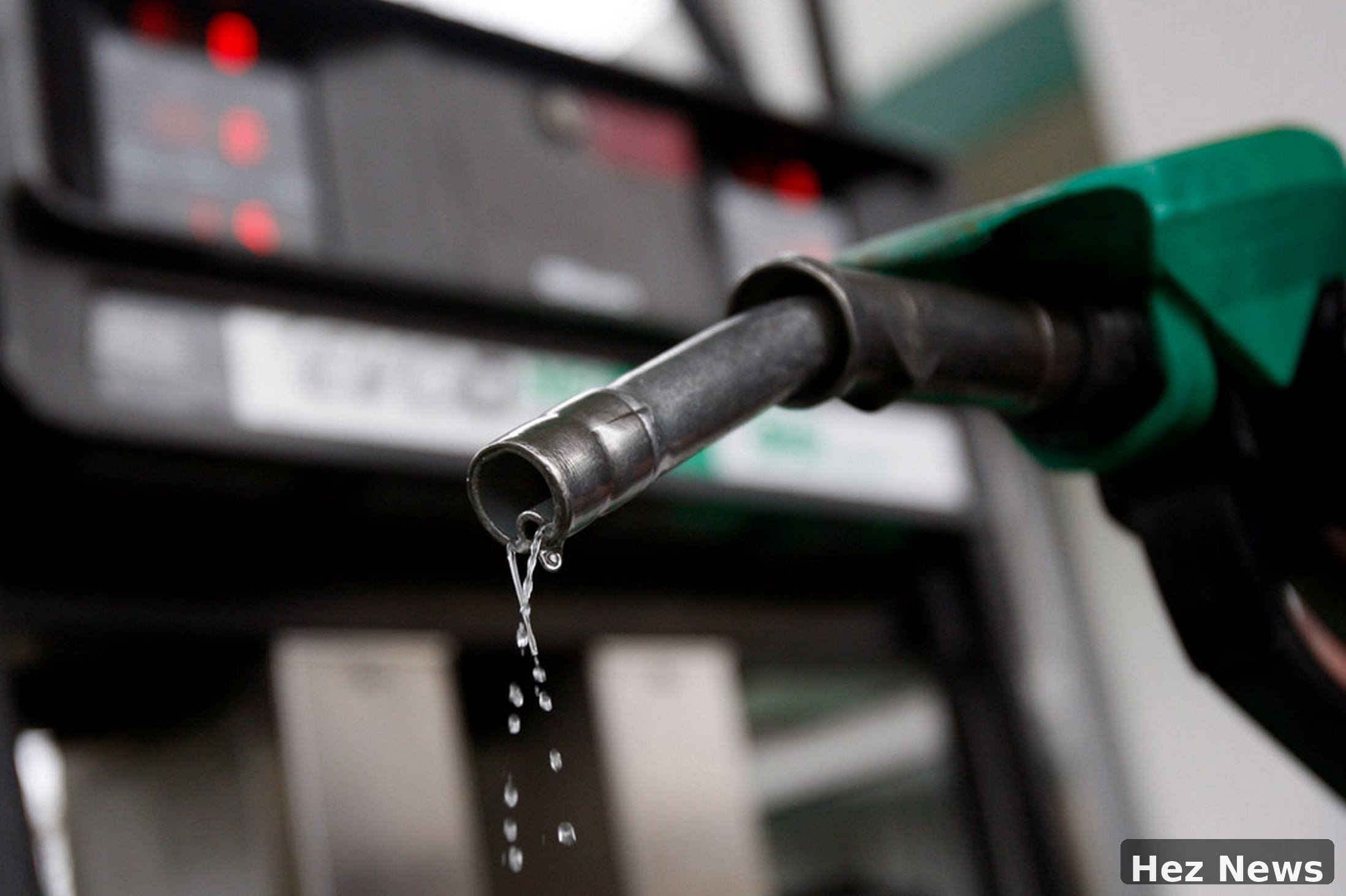
Nigeria is currently witnessing a significant pressure on its refiners and depot owners to lower the prices of Premium Motor Spirit (PMS), widely known as petrol. This push comes amid growing concerns from consumers and stakeholders regarding the rising cost of fuel, which has been a burden on the average Nigerian household.
Current Fuel Pricing Landscape
The price of petrol in Nigeria has seen substantial fluctuations in recent months, impacting transportation and the cost of goods and services across the country. As the price of crude oil continues to experience volatility in the international market, local refiners and depot owners are being urged to adjust their ex-depot prices to reflect a more affordable rate for consumers.
Economic Implications
Fuel prices directly influence the cost of living in Nigeria, where transportation costs form a significant part of household expenditures. The government, alongside various advocacy groups, is emphasizing the need for a sustainable pricing strategy that balances the interests of the refiners while alleviating the financial strain on citizens.
Industry Reactions
Several stakeholders in the oil and gas sector have expressed their views on the ongoing situation. Some depot owners argue that operational costs have risen, thus necessitating higher prices. However, consumer advocacy groups are calling for transparency and accountability in pricing mechanisms, urging the government to intervene if necessary.
Looking Ahead
As discussions continue, the hope is that refiners and depot owners will heed the call to review and potentially lower ex-depot prices. This would not only ease the pressure on consumers but also enhance the overall economic stability of the nation.
The Nigerian government is closely monitoring the situation and may implement policies to ensure that fuel prices remain within a reasonable range. The outcome of these discussions and potential changes in pricing will be keenly watched by both consumers and market analysts alike.






Leave a Comment