

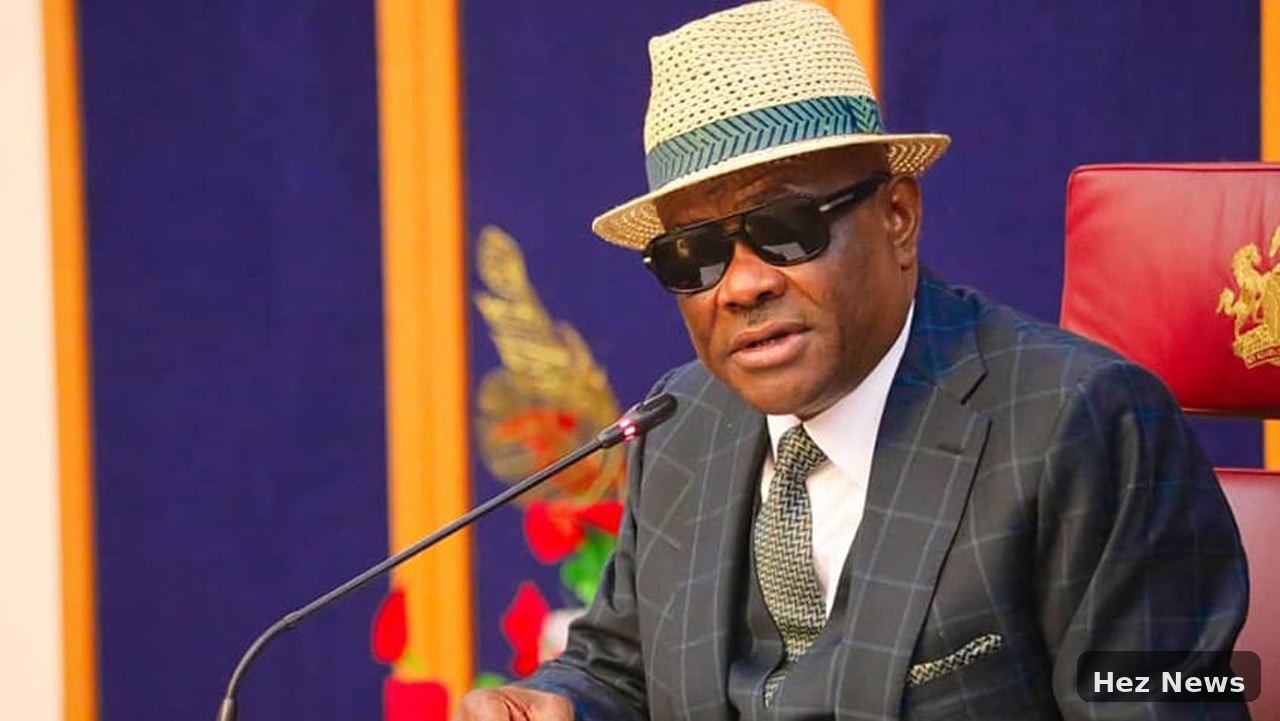
The Minister of the Federal Capital Territory (FCT), Nyesom Wike, has put forth a provocative challenge to Nigerians, urging them to consider voting for the African Democratic Congress (ADC) vice-presidential candidate, Rotimi Amaechi, amidst ongoing allegations of a N53 billion fraud against him.
Background on the Allegations
The allegations surrounding Amaechi have been a major topic of discussion in Nigeria's political landscape. Critics have accused him of financial misappropriation during his tenure as the governor of Rivers State. The claims have sparked widespread debates about accountability and integrity in Nigerian politics.
Wike's Challenge to Voters
Wike, a prominent political figure and ally of the ADC, stated that Nigerians must prioritize their moral duty when casting their votes in the upcoming elections. He emphasized that the choice of leadership should not be swayed by allegations but rather by the candidates' ability to serve the people effectively.
In his address, Wike remarked, “If you believe in the vision of a better Nigeria, choose wisely at the polls. Amaechi has the experience; let us not allow unproven allegations to cloud our judgment.” He urged citizens to focus on the developmental plans proposed by the ADC and how they align with the aspirations of the Nigerian populace.
The Political Climate
The call to support Amaechi comes at a time when Nigeria is gearing up for crucial elections. The political atmosphere is charged, with various parties vying for power and public trust. Wike's statement reflects a broader strategy to galvanize support for the ADC as a viable alternative to the ruling party.
Political analysts have noted that Wike's endorsement of Amaechi is significant, considering their previous rivalry. This shift could reshape the dynamics of the election, particularly among voters disenchanted with the status quo.
Public Reaction
Responses from the public have been mixed. Supporters of the ADC have welcomed Wike's challenge, seeing it as a bold move towards reclaiming political integrity. Conversely, critics argue that the fraud allegations against Amaechi cannot be overlooked and may influence voters' perceptions.
As the elections draw closer, it remains to be seen how these developments will affect the political landscape and voter turnout. The challenge posed by Wike not only highlights the ongoing debates about corruption in Nigeria but also underscores the pressing need for transparent governance.
Conclusion
Wike's call for Nigerians to support Amaechi, despite the fraud allegations, serves as a reminder of the complexities within Nigeria's political system. As voters prepare to make their choices, the emphasis on informed decision-making becomes ever more critical in shaping the nation's future.


Leave a Comment