

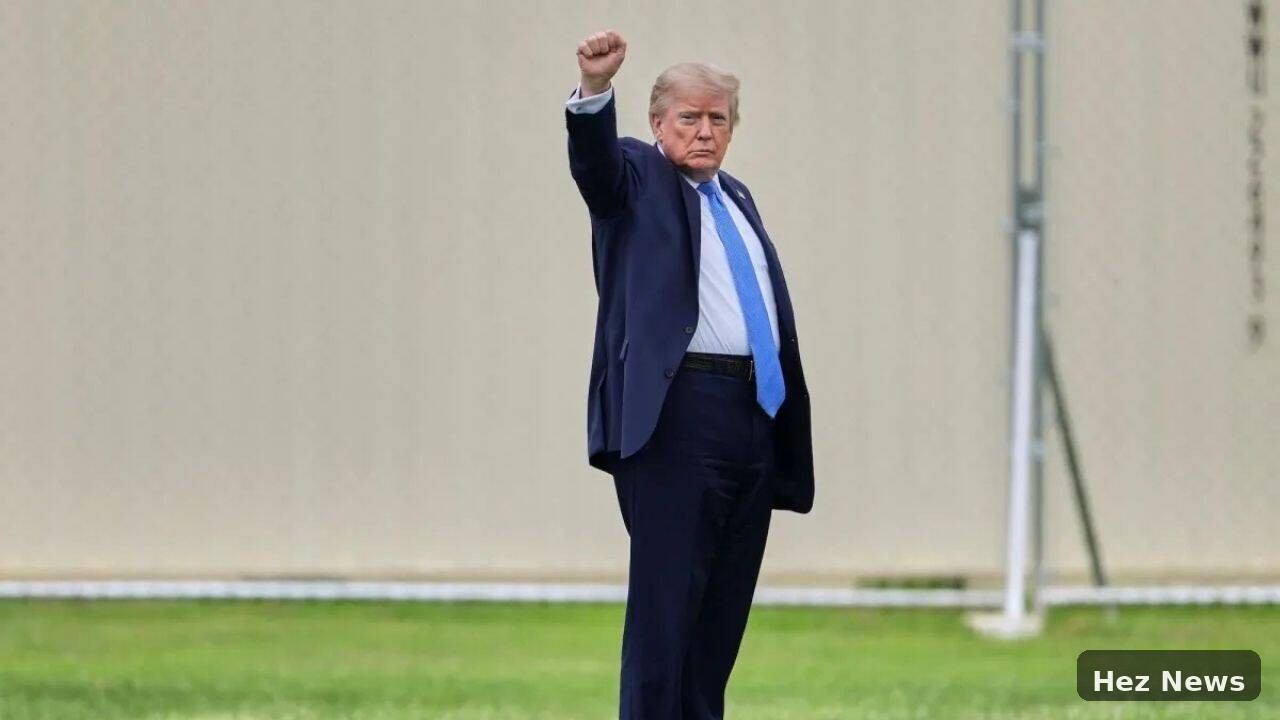
As of Friday, the conflict in Iran has reached the six-month mark, marking a significant milestone in what began as a brief military engagement under the leadership of US President Donald Trump. The initial promise of a quick victory has shifted dramatically, giving way to an extended phase of economic warfare.
Background of the Conflict
The Iran war erupted amidst escalating tensions between the United States and Iran, primarily driven by longstanding geopolitical issues. President Trump, upon taking office, vowed to dismantle the Iran nuclear deal and exert maximum pressure on the Iranian regime. What was anticipated to be a swift military operation has instead morphed into a protracted struggle, characterized by a series of sanctions that have severely impacted Iran's economy.
Economic Warfare in Focus
The strategy employed by the Trump administration has increasingly leaned towards economic sanctions rather than military intervention. This shift reflects a broader trend in modern conflicts where economic measures are used as a tool for achieving foreign policy objectives. In this case, the sanctions have targeted crucial sectors of Iran's economy, including oil exports, which are the lifeblood of its financial stability.
Implications for Nigeria
For Nigeria, the ongoing war and the economic challenges faced by Iran could have various implications. As a member of the Organization of the Petroleum Exporting Countries (OPEC), Nigeria monitors fluctuations in global oil prices, which can be influenced by conflicts in oil-producing nations. Any disruption in Iran's oil exports can lead to volatility in oil markets, potentially affecting Nigeria's own oil revenues.
Responses from the Global Community
The international community's response to the Iran conflict has been mixed. While some nations have supported the US stance, others have criticized the approach, advocating for diplomatic solutions instead of economic warfare. Notably, countries with significant trade ties to Iran have expressed concern over the humanitarian impact of these sanctions.
Looking Ahead
As the conflict progresses, the focus will likely remain on diplomatic efforts to de-escalate tensions. However, the challenges are significant, with both sides entrenched in their positions. For Nigeria and other nations, the outcome of this conflict will be closely watched, given its potential to reshape economic relationships in the region.
In conclusion, the first six months of the Iran war underscore the complexities of modern warfare, where military action often gives way to economic strategies. President Trump’s vision of a quick resolution has been upended, highlighting the unpredictable nature of international conflicts and their far-reaching consequences.


Leave a Comment