

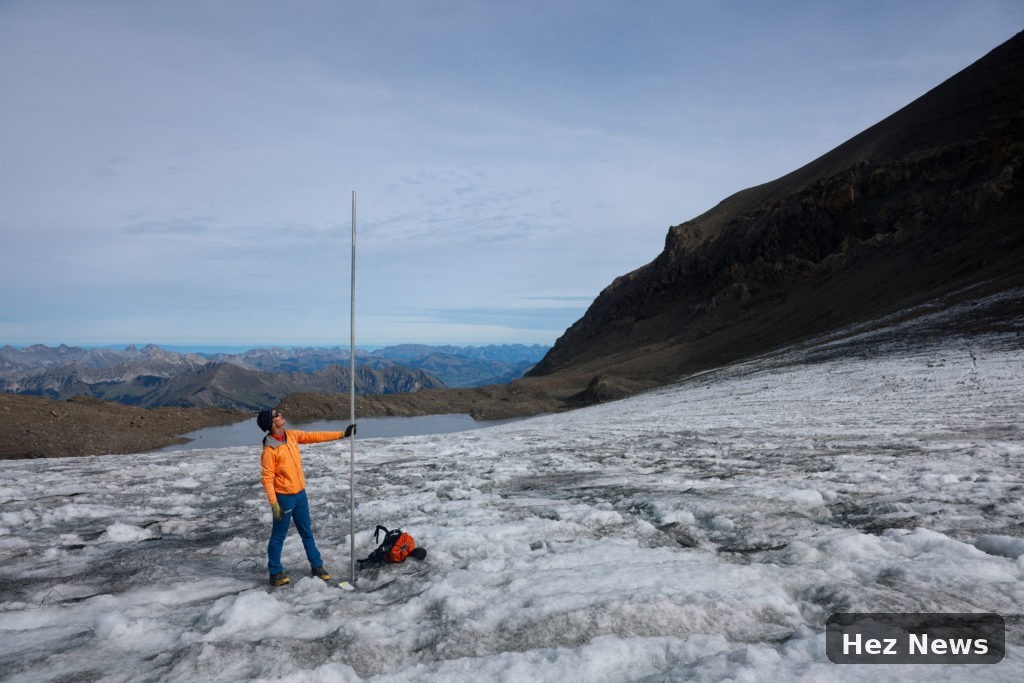
The recent report on the state of Swiss glaciers reveals alarming trends, highlighting the effects of global warming in Europe, which is currently experiencing some of the most severe climate changes. The glaciers lost more than 5% of their ice volume in 2026, a significant loss attributed primarily to extreme heat waves and insufficient snowfall during the winter months.
Impact of Climate Change on European Glaciers
The findings from the report underscore the urgency of addressing climate change, particularly in regions like Europe, where the impacts are becoming increasingly evident. Experts assert that the warming observed is entirely attributable to anthropogenic climate change, emphasizing the role of human activity in exacerbating these trends. Such changes threaten not only the natural beauty of the region but also its ecosystems and water resources.
Global Repercussions and Local Perspectives
While the report focuses on Swiss glaciers, the implications resonate globally, including in Nigeria. As a country that is already grappling with its own climate-related challenges, such as flooding and desertification, the news serves as a crucial wake-up call. The melting glaciers contribute to rising sea levels, which can affect coastal cities in Nigeria, increasing the risk of flooding and displacement.
Calls for Urgent Action
In light of these findings, environmental activists and scientists are calling for immediate action to mitigate the effects of climate change. There is a growing consensus that global cooperation is essential to address the root causes of climate change. Nigeria, as part of the global community, must play its role in climate action by reducing carbon emissions and promoting sustainable practices.
Conclusion
The state of the Swiss glaciers is not just a local issue; it reflects a global crisis that demands attention. As Nigeria continues to face its climate-related challenges, the situation in Europe serves as a reminder of the interconnectedness of our planet and the urgent need for collective action.





Leave a Comment