

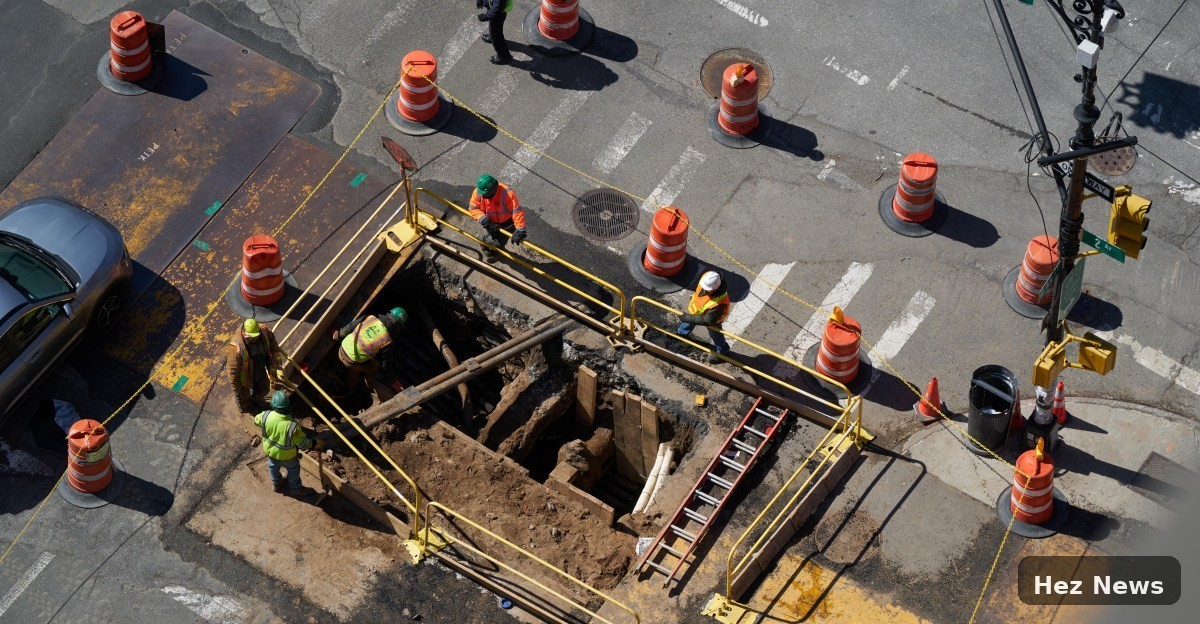
Across the bustling streets of American cities lies a complicated network of infrastructure that remains largely unknown to the public. This intricate system of cables, pipes, and gas lines is buried underground, creating a puzzle for contractors and city planners alike.
Understanding the Underground Maze
When a contractor digs into the pavement, they often face more than just dirt and asphalt. They uncover a tangled web of utilities that have been installed over decades, sometimes even centuries. This mysterious jumble can be as chaotic as a pair of headphones pulled from a pocket, presenting unique challenges in urban development.
The Importance of Mapping
In Nigeria, the situation is akin to the challenges faced in Lagos and Abuja, where rapid urbanization has led to increased construction activity. However, unlike many American cities, Nigeria is still grappling with how to effectively map its own underground infrastructure. A comprehensive understanding of what lies beneath is crucial for avoiding accidents and ensuring efficient construction processes.
Challenges in Urban Development
In the U.S., the lack of precise maps of underground utilities leads to frequent disruptions. Contractors may inadvertently damage crucial lines, resulting in outages and costly repairs. This issue highlights the need for improved data collection and sharing practices among utility companies.
Lessons for Nigeria
Nigeria can learn from these challenges by investing in technology that aids in the mapping and monitoring of underground infrastructure. As cities in Nigeria continue to grow, adopting technological solutions such as Geographic Information Systems (GIS) could help streamline urban planning and reduce accidents.
The Future of Urban Infrastructure
As America grapples with its aging infrastructure, many cities are turning to innovative solutions. Smart city technologies and digital mapping are becoming essential tools for urban planners. Nigeria, too, has the opportunity to embrace these advancements, ensuring that its cities can develop sustainably without compromising safety.
Conclusion
The hidden infrastructure beneath American streets serves as a reminder of the complexities of urban planning. For Nigeria, this presents both a challenge and an opportunity. By learning from the experiences of others, Nigeria can pave the way for a more organized and efficient urban landscape, safeguarding its developmental future.





Leave a Comment