

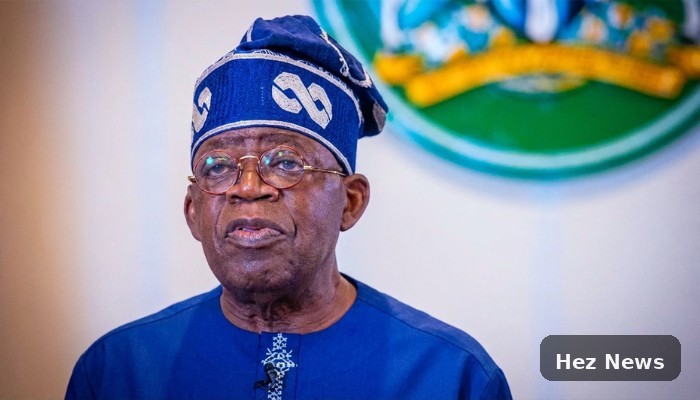
President Bola Tinubu has taken a decisive step in addressing the troubling issue of xenophobic and Afrophobic violence against Africans in South Africa. During a significant meeting at the African Union (AU) summit held on Sunday, Tinubu raised concerns regarding the persistent attacks on Nigerians and other foreign nationals.
Background on Xenophobic Violence in South Africa
Xenophobia has been a critical issue in South Africa, with various reports detailing attacks on foreign nationals, particularly Nigerians, who often become targets of violence and discrimination. These incidents have not only caused loss of life and property but have also strained diplomatic relations between Nigeria and South Africa.
Tinubu's Advocacy for African Unity
In his address, President Tinubu emphasized the need for African unity in combating xenophobia and ensuring the safety of all citizens. He called for collective action among African nations to promote peace and security, highlighting that nationality should never be a basis for violence.
The President's remarks resonate deeply with many Nigerians who have experienced or heard about the harsh realities faced by their compatriots in the diaspora. By bringing this issue to the forefront at the AU, Tinubu aims to galvanize support from other African leaders to address the root causes of xenophobia.
Previous Efforts and Challenges
Previous attempts to tackle xenophobic violence have met with limited success, often hindered by political complexities and varying levels of commitment from different countries. Tinubu’s administration has expressed its intention to not only seek justice for victims but also to foster a more inclusive environment for all Africans living in South Africa.
Next Steps and Regional Cooperation
Following his statements at the AU summit, analysts expect that Nigeria will push for a regional framework aimed at protecting migrant communities and establishing protocols for dealing with xenophobic incidents. This could involve establishing a hotline for victims and creating awareness campaigns across the continent.
As the situation develops, it remains crucial for African nations to work collaboratively to dismantle the prejudices that fuel xenophobic sentiments. The Nigerian government is likely to engage with South African authorities to ensure that measures are put in place to protect its citizens.
Conclusion
President Tinubu's proactive stance at the AU highlights a growing recognition of the need to address xenophobia comprehensively. It serves as a reminder that the fight against intolerance and violence must be a collective effort, rooted in the principles of solidarity and respect for human dignity.



Leave a Comment