

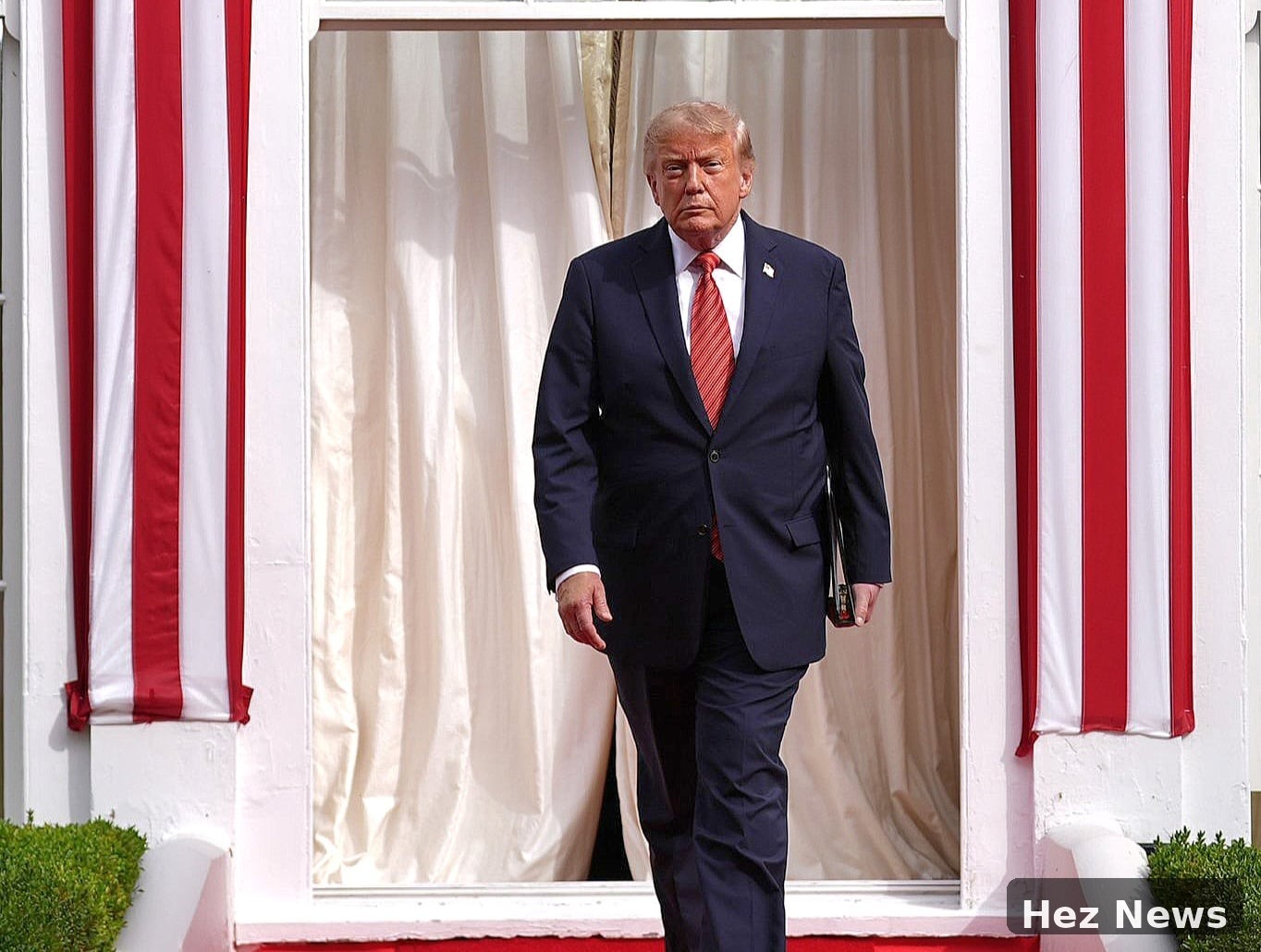
The potential for a new global trade war looms as President Donald Trump has announced plans to reduce the United States' trade relations with countries facing a significant trade deficit with the U.S. This move is expected to have far-reaching implications, not just for the U.S., but also for nations like Nigeria, which have economic ties with the American market.
The Context of Trump's Decision
President Trump has long criticized the trade deficits that the U.S. runs with various nations, arguing that it harms American workers and industries. In his latest statement, he highlighted the need to reassess trade agreements that he believes are unfavorable to the U.S. economy. By targeting countries with which the U.S. has trade deficits, Trump aims to reshape international trade policies to favor American interests.
Impact on Nigeria's Economy
Nigeria, as one of Africa's largest economies, is significantly affected by U.S. trade policies. The country exports a range of products to the U.S., including oil, agricultural goods, and textiles. Any reduction in trade ties with the U.S. could adversely impact Nigerian exporters, leading to a decline in revenue and potential job losses in key sectors.
Moreover, with the ongoing efforts to diversify the Nigerian economy away from oil dependency, a downturn in trade with the U.S. could hinder Nigeria's growth trajectory. The administration's focus on local production could be undermined if U.S. markets become less accessible.
The Global Trade Landscape
This announcement by President Trump comes at a time when many nations are grappling with the effects of previous trade wars and tariffs imposed under his administration. Countries across the globe, including China and the European Union, have faced similar restrictions, leading to a more fragmented global trade environment.
For Nigeria, navigating these changes will require a strategic approach. Engaging in regional trade agreements, such as the African Continental Free Trade Area (AfCFTA), could help mitigate the impacts of reduced trade with the U.S. and present new opportunities for Nigerian businesses.
Conclusion
As President Trump prepares to cut trade with nations over deficits, the implications for Nigeria cannot be overlooked. The Nigerian government and business leaders must closely monitor these developments and adapt their strategies to maintain economic stability and growth in an increasingly uncertain global trade environment.






Leave a Comment