

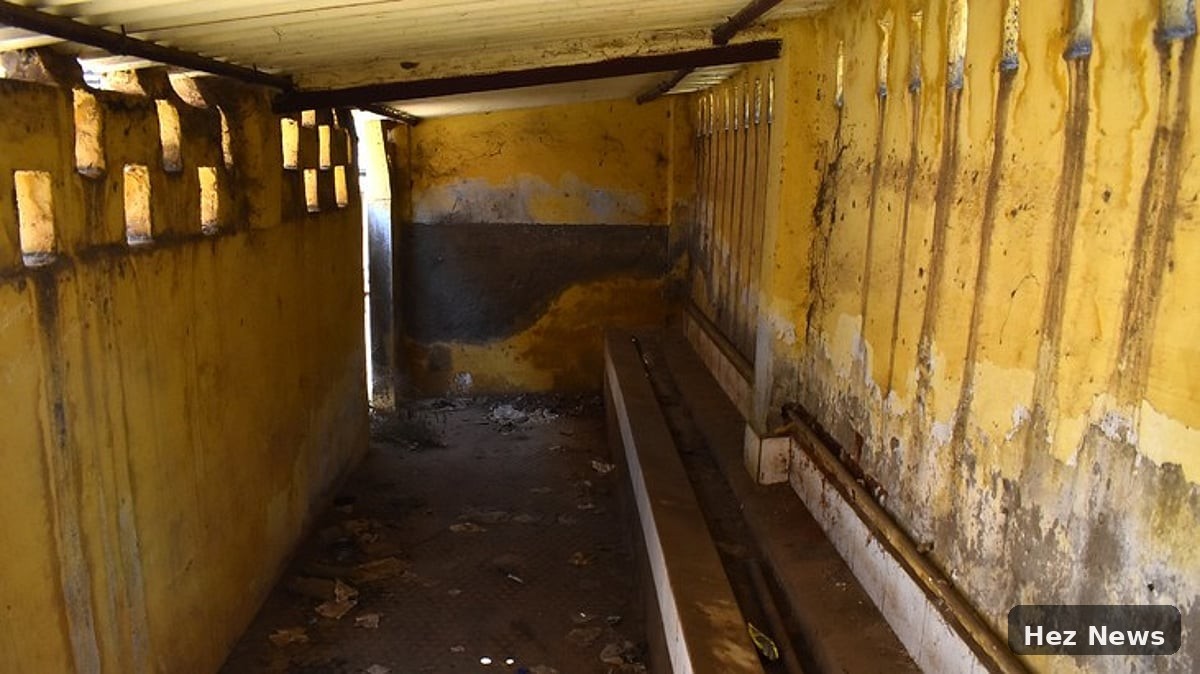
NEW DELHI: A recent report from the WHO-UNICEF Joint Monitoring Programme (JMP) reveals that India is facing a grave sanitation crisis in its schools. Approximately 50 million children in India are without access to essential sanitation services, marking the highest figure in the world.
Impact on Education and Health
The lack of adequate sanitation facilities in schools significantly affects the health and academic performance of children. Poor sanitation can lead to serious health issues, including waterborne diseases, which can further hinder a child's educational journey. In a country like Nigeria, where similar challenges exist, this situation raises urgent concerns about the need for improved sanitation in Nigerian schools.
Global Context
According to the report, nearly a fifth of the global population of school-aged children lacking sanitation services resides in India. This statistic underscores the urgent need for government and non-governmental interventions aimed at improving sanitation infrastructure in educational institutions. While Nigeria also grapples with sanitation issues, the scale of the problem in India is particularly alarming.
Comparative Situation in Nigeria
Nigeria faces its own sanitation challenges, with many schools lacking proper facilities. The Nigerian government, along with various NGOs, has been working to improve access to sanitation in schools, yet progress remains slow. The situation in India serves as a stark reminder of the necessity for a concerted effort to ensure that all children have access to safe and hygienic learning environments.
Call to Action
As the WHO-UNICEF report gains attention, it is crucial for stakeholders in Nigeria to draw lessons from India's experience. Investment in sanitation infrastructure, coupled with awareness campaigns about hygiene, can significantly contribute to better health outcomes and educational performance among Nigerian children.
In conclusion, while the challenges are daunting, they are not insurmountable. Collaborative efforts among governments, NGOs, and communities can pave the way for a future where every child has access to the basic amenities they need to thrive.



Leave a Comment