

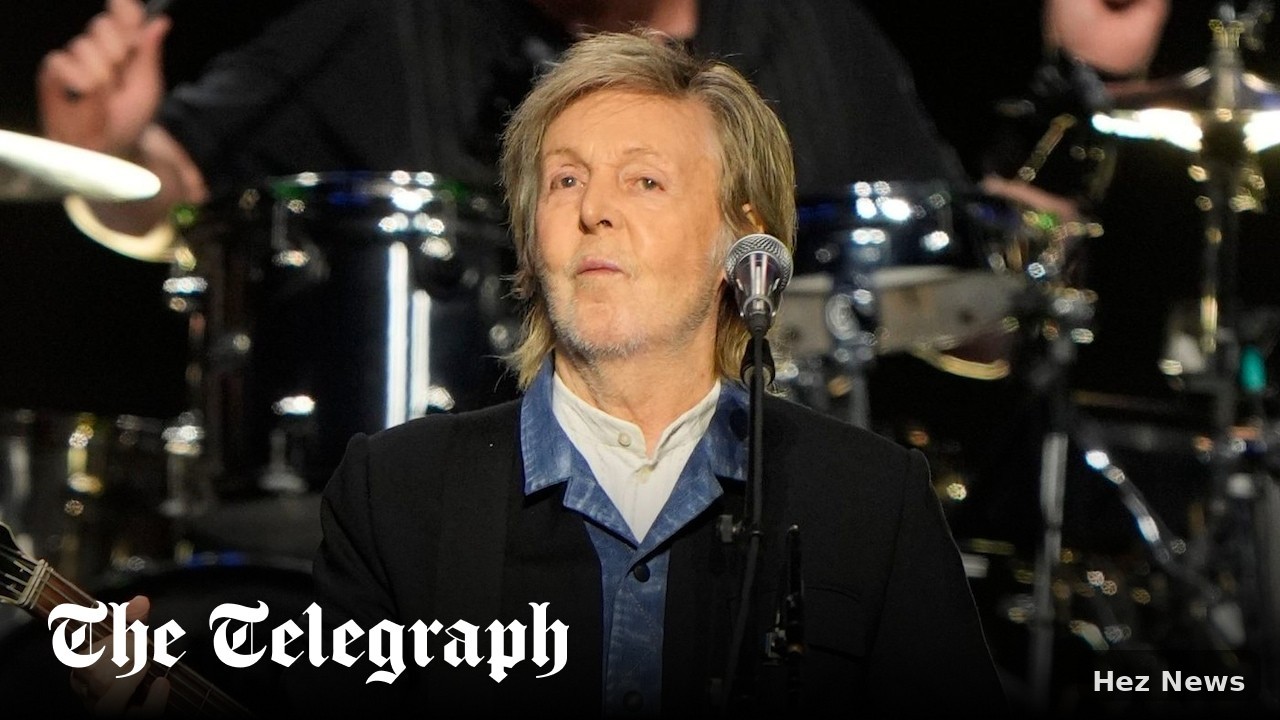
In a surprising revelation, Sir Paul McCartney, the legendary member of The Beatles, has shared an extraordinary claim during a recent podcast appearance. Speaking on the Good Hang with Amy Poehler, McCartney expressed that he has a unique memory of his birth, stating, “I have this feeling that I kind of remember being born.”
Exploring the Concept of Birth Memories
This claim raises intriguing questions about the nature of memory and consciousness. While many people may think it's impossible to remember events from their earliest days, there are anecdotal reports and some research suggesting that a small percentage of individuals believe they can recall their birth or early childhood experiences.
Context from a Nigerian Perspective
In Nigeria, discussions surrounding memory and childhood experiences often intersect with cultural beliefs and practices. The Yoruba people, for instance, have rich traditions that include the belief in reincarnation and the notion that souls are aware of their past lives. Such cultural perspectives add layers to how we understand memory, identity, and consciousness.
Scientific Insights
From a scientific standpoint, most psychologists agree that the human brain is not developed enough to form long-term memories until around the age of three. However, the phenomenon of childhood amnesia suggests that many adults cannot recall events from their early years. Yet, some claim to have vivid memories from their infancy, making it a fascinating topic for further exploration.
The Impact of Celebrity Claims
McCartney’s assertion has sparked discussions not only among music fans but also within the broader scientific community. Celebrities often have the power to influence public perception on various topics, and McCartney's claims could lead to renewed interest in the study of memory.
Conclusion
While the validity of McCartney’s memories can be debated, his statement undoubtedly opens up a dialogue about the complexities of human memory. As more people share their experiences, it remains essential to explore these claims with a blend of skepticism and curiosity.





Leave a Comment