

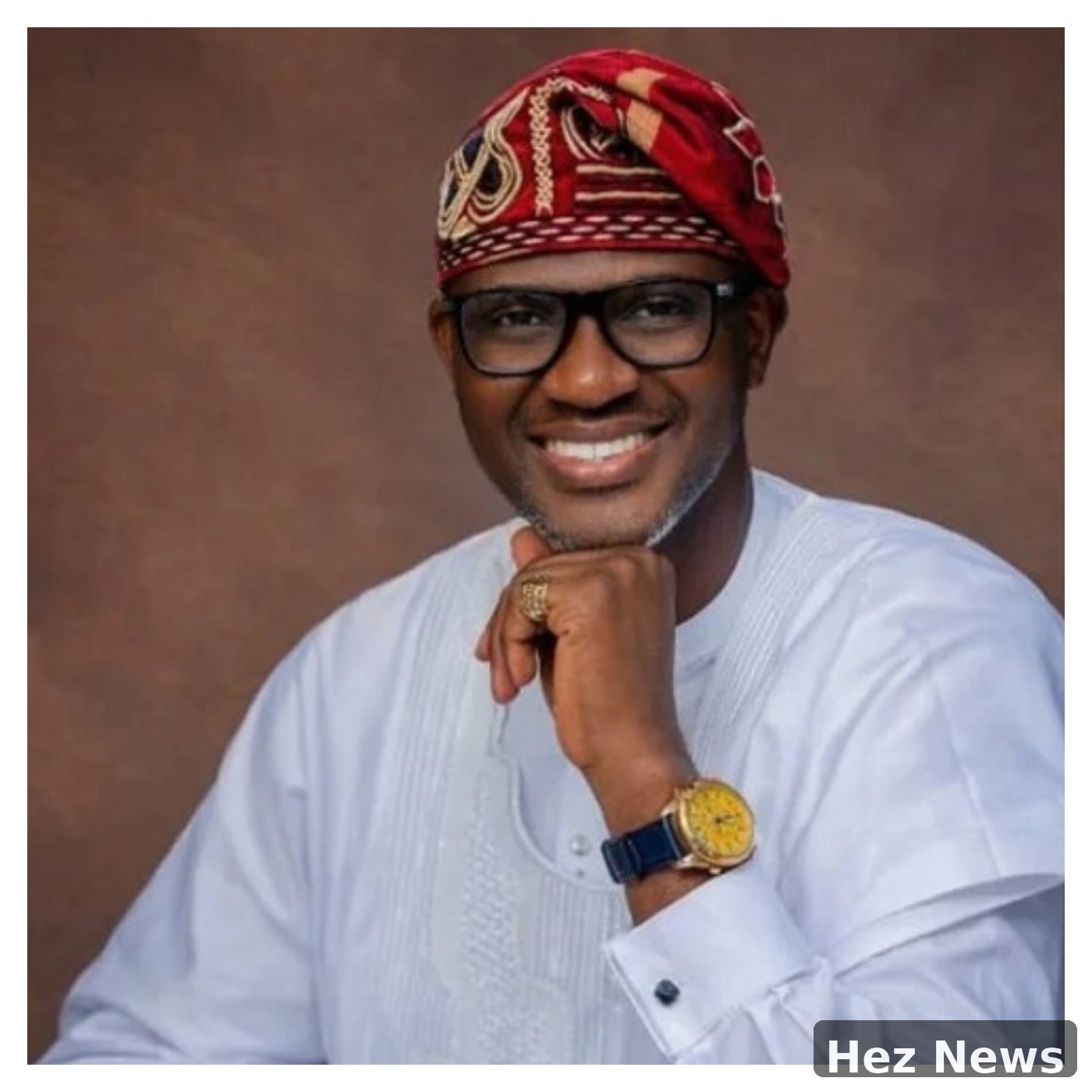
The recent victory of Governor Ademola Adeleke in the Osun State elections has sparked significant discussions among political analysts and citizens alike. Prince Laja Adeoye, the Lagos State governorship candidate for the Allied Peoples Movement (APM), has underscored the implications of this win, asserting that it illustrates the ability of voters to resist external political pressures.
Understanding the Political Landscape
The Osun State gubernatorial election, a crucial event in Nigeria's political calendar, was marked by intense competition and various challenges, including allegations of electoral misconduct and political intimidation. Adeleke's success is viewed by many as a testament to the electorate's determination to uphold their democratic rights, despite facing formidable opposition.
Voter Turnout and Engagement
In the lead-up to the elections, there were widespread concerns regarding voter apathy, fueled by previous experiences of disenfranchisement. However, the turnout during the Osun election was notably high, signaling a reinvigorated interest among the populace in participating in the democratic process. This trend reflects a growing awareness among voters about the importance of their voices in shaping governance.
Adeleke's Campaign Strategy
Adeleke's campaign focused on key issues affecting the people of Osun State, including economic development, education, and health care. His approach resonated with many voters, who felt that their needs were finally being addressed. Prince Laja Adeoye emphasized that this victory should serve as a blueprint for future elections, encouraging candidates to prioritize the electorate's concerns over party loyalty or political affiliations.
Political Implications of the Victory
The implications of Adeleke's victory extend beyond Osun State. It sends a strong message to political leaders across Nigeria that the electorate is capable of making informed choices, even when faced with pressure from established political entities. This development could inspire other regions to demand more accountability from their leaders and to engage actively in the electoral process.
A Call for Unity and Progress
In his remarks, Adeoye called for unity among the political class, urging them to work collaboratively towards the betterment of the Nigerian society. “The people have spoken, and it is essential for all politicians to listen and learn from this election,” he stated. The focus should now shift to governance and the fulfillment of campaign promises, ensuring that the hopes of the electorate are met with tangible results.
Conclusion
The Osun State elections have marked a pivotal moment in Nigeria's democratic journey. With leaders like Adeleke at the helm, there is hope for a more responsive and accountable governance structure. As the country moves forward, it is crucial for all stakeholders to embrace the spirit of democracy and work towards a brighter future for all Nigerians.

Leave a Comment