

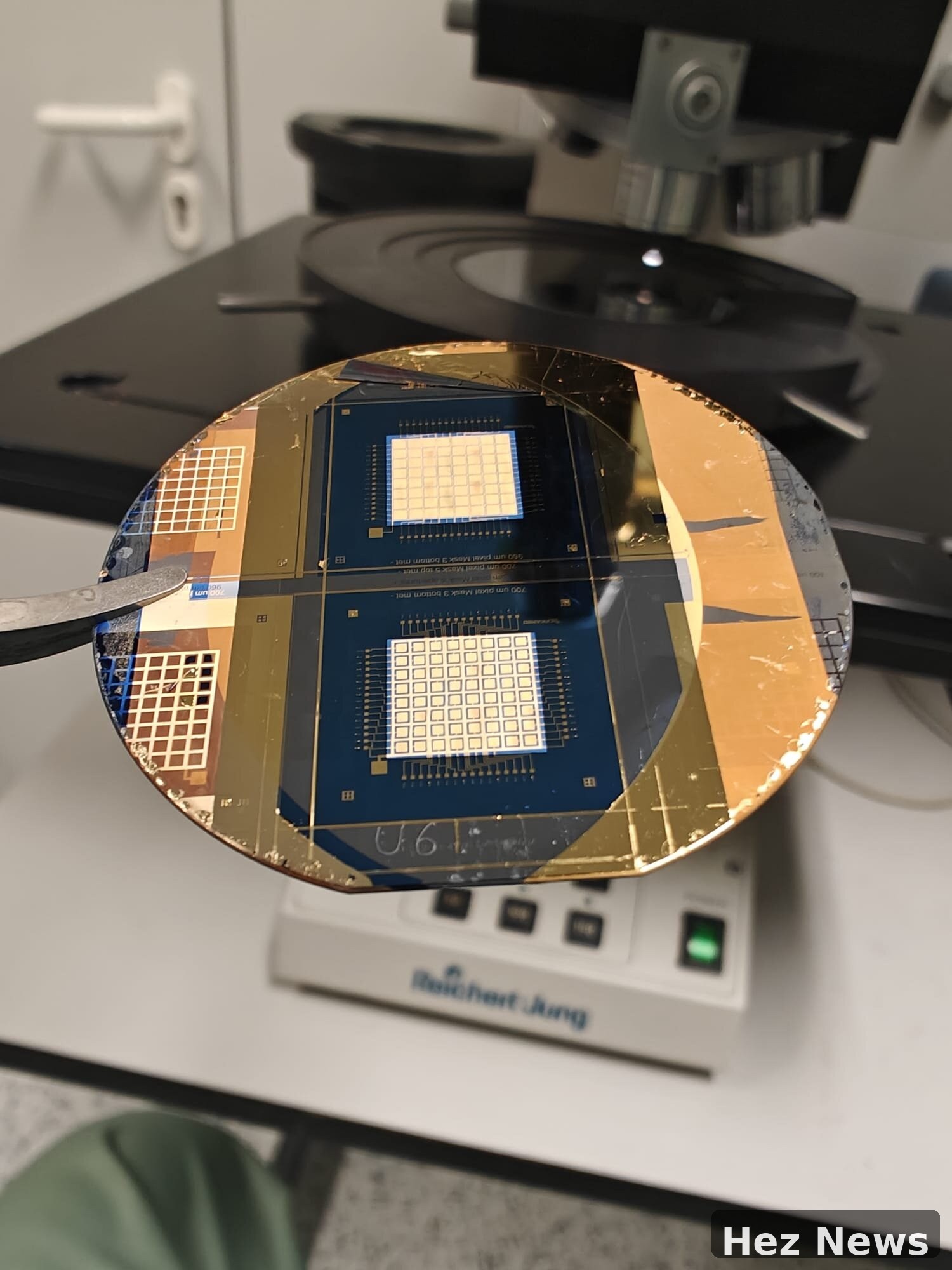
In recent scientific developments, researchers have made significant strides in the detection of short-wave infrared (SWIR) light using hyperdoped silicon photodiodes. This technology, which operates efficiently at room temperature, is poised to transform various applications in both industry and academia.
Understanding Short-Wave Infrared Detection
Short-wave infrared light falls just beyond the visible spectrum, making it invisible to the naked eye. However, its detection holds immense potential for a range of applications, from environmental monitoring to advanced imaging technologies. In Nigeria, where agricultural practices and environmental challenges are prevalent, the ability to detect SWIR could lead to improved crop monitoring and water resource management.
Benefits of Hyperdoped Silicon Photodiodes
The hyperdoping process enhances the material properties of silicon, allowing it to absorb SWIR light more effectively. This advancement means that photodiodes can operate efficiently without the need for complex cooling systems, making the technology more accessible and cost-effective.
For Nigeria, where energy resources can be limited, such advancements are crucial. With the potential for less energy-intensive devices, the integration of this technology could lead to better solutions in sectors like agriculture, healthcare, and security.
Applications in Nigeria
Utilizing this technology could enable various applications in Nigeria:
- Agriculture: Enhanced monitoring of crop health and soil conditions through infrared imaging.
- Environmental Science: Monitoring pollution levels and assessing climate changes.
- Healthcare: Development of advanced medical imaging systems that rely on infrared detection.
- Security: Improved surveillance systems that can operate in low-light conditions.
Conclusion
The advancements in hyperdoped silicon photodiodes represent a significant leap forward in the field of photonics. As Nigeria continues to embrace technological innovations, the integration of such technologies could play a pivotal role in addressing local challenges and fostering sustainable development.






Leave a Comment