


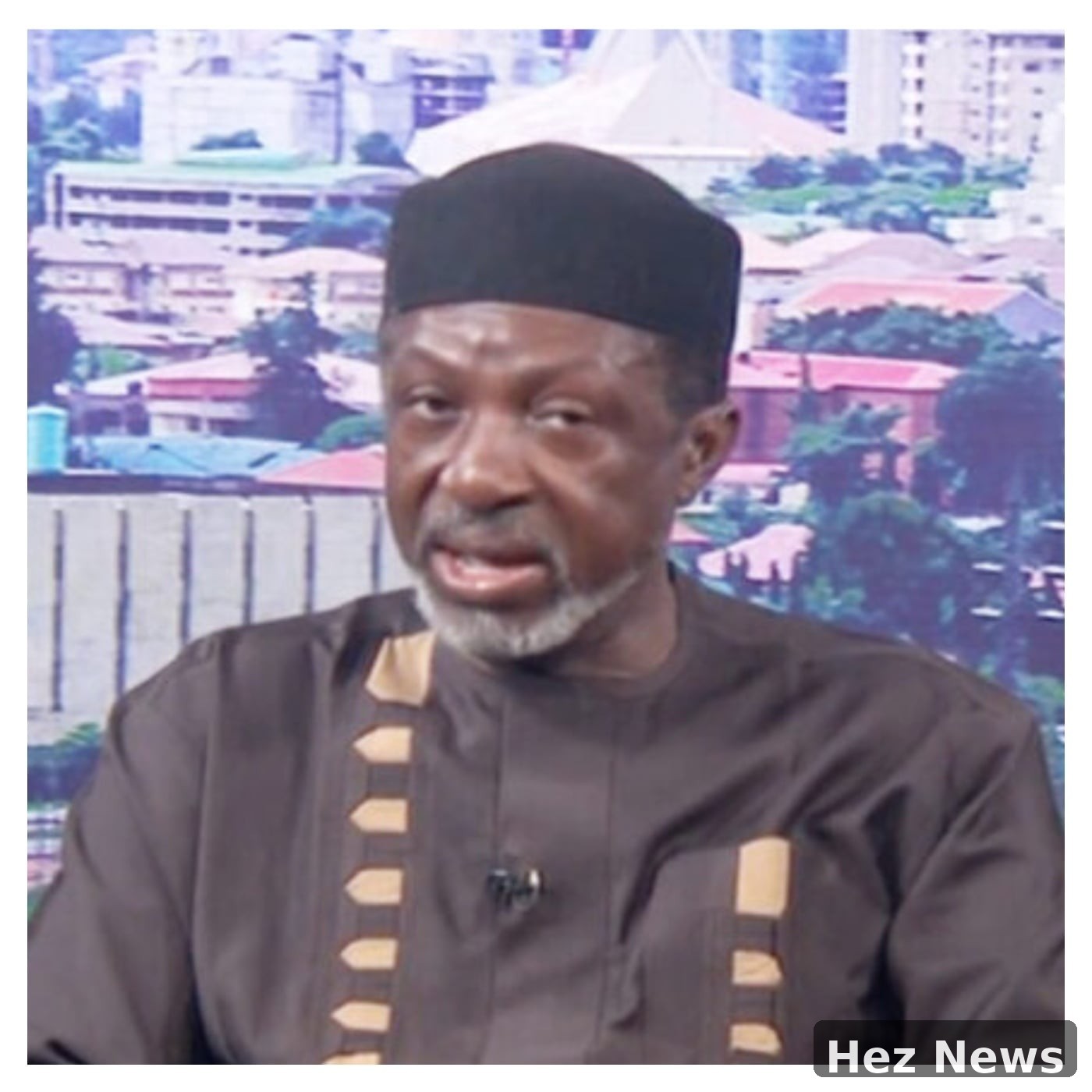
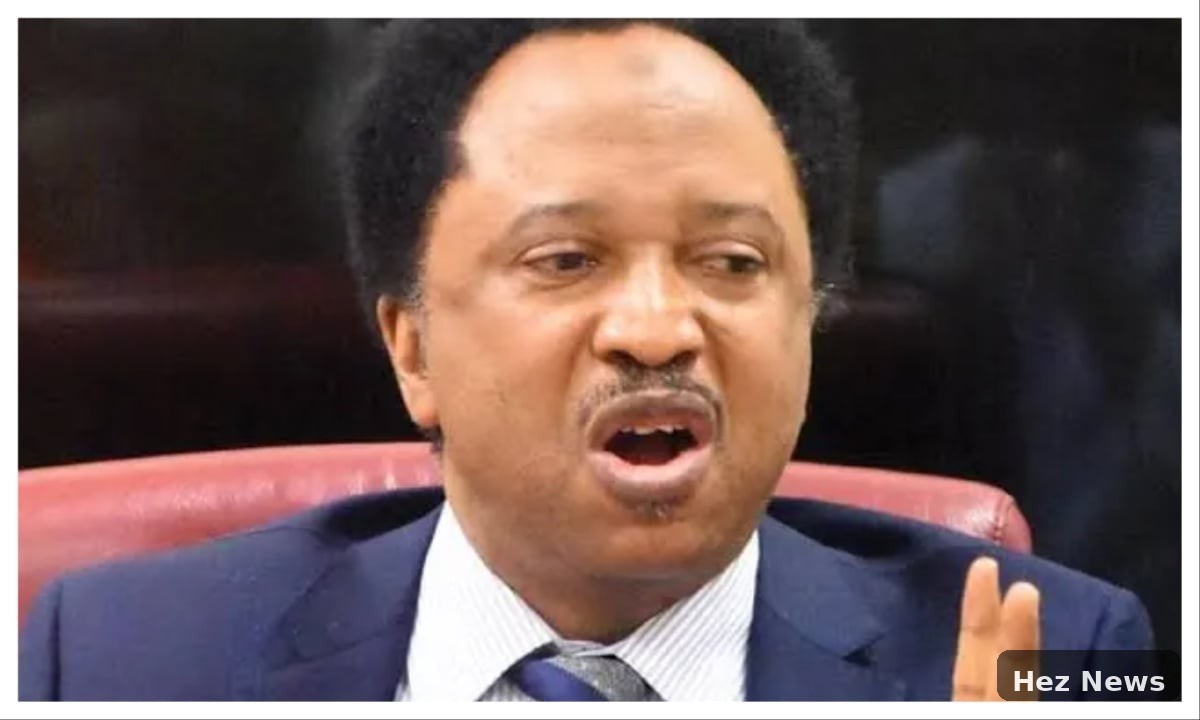
The Minister of Aviation and Aerospace Development, Festus Keyamo, has publicly criticized the presidential candidate of the African Democratic Congress (ADC), Atiku Abubakar, suggesting that he is suffering from agitated depression. This statement comes amidst heightened political tensions in Nigeria as the nation approaches the upcoming elections.
Context of the Remarks
Keyamo's comments were made during a press conference where he outlined the challenges facing the nation and the necessity for strong leadership. He expressed concerns over Atiku's capability to lead, citing his mental state as a significant factor. The Minister stated, "Atiku's recent behavior indicates a troubling mindset, which is not what Nigeria needs at this critical juncture."
Political Landscape in Nigeria
Nigeria's political landscape is often characterized by fierce competition and intense rhetoric as candidates vie for the presidency. The upcoming elections are expected to be particularly contentious, with multiple candidates from various parties, including the ADC, vying for the support of the electorate. Keyamo's remarks reflect a broader strategy among political figures to undermine their opponents.
Reactions from Political Analysts
Political analysts have weighed in on Keyamo's comments, suggesting that such statements are part of a wider trend of political attacks designed to sway public opinion. Dr. Ayo Olusegun, a political analyst, noted, "Keyamo's statement could resonate with some voters who prioritize mental stability in leadership, but it could also backfire if perceived as an unfair personal attack on Atiku."
Atiku's Response
As of now, Atiku Abubakar has not publicly responded to Keyamo's allegations. However, his supporters have rallied around him, dismissing Keyamo's comments as a distraction from the real issues facing the country. A spokesperson for Atiku stated, "We are focused on the issues that matter to Nigerians, not personal attacks."
The Importance of Mental Health in Politics
This incident raises important questions about mental health in the political arena. In a country where discussions around mental health are often stigmatized, using such terminology in political discourse can have significant implications. Advocates for mental health awareness argue that it is crucial to approach these topics with sensitivity rather than as tools for political gain.
Conclusion
As the election season heats up, it is likely that we will continue to see personal attacks and criticisms from all sides. Keyamo's comments about Atiku serve as a reminder of the volatile nature of Nigerian politics and the importance of focusing on substantive issues rather than personal disputes. Voters will have to navigate these turbulent waters as they prepare to make their voices heard.




Leave a Comment