

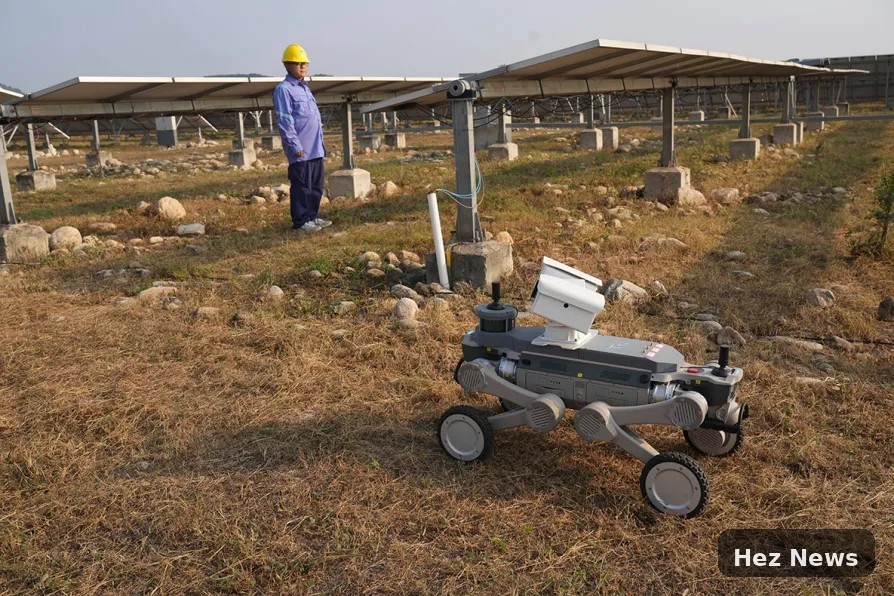
In August 2023, over 2,000 humanoid robots from 16 countries gathered in Beijing for the World Humanoid Robot Games, showcasing not just technological prowess but also raising significant questions about the future of employment and education in the face of rapid advancements in artificial intelligence.
The Rise of Artificial Intelligence
China has emerged as a global leader in the development and implementation of artificial intelligence (AI) technologies. With investments pouring into AI research and development, the nation is at the forefront of innovations that are reshaping various sectors, including manufacturing, logistics, healthcare, and even entertainment.
Humanoid Robots and Their Impact
The recent events in Beijing highlighted the capabilities of humanoid robots in performing complex tasks. These robots participated in a variety of competitions, from sports to logistical operations, demonstrating their potential to revolutionize industries. However, as these machines become more integrated into the workforce, there is a growing concern about job displacement.
Jobs in the Age of Robots
For countries like Nigeria, which is still grappling with high unemployment rates, the rise of robots presents a dual challenge. On one hand, automation has the potential to enhance productivity and efficiency, which could lead to economic growth. On the other hand, there is a risk that many low-skilled jobs may become obsolete, exacerbating the already challenging job market.
Nigeria must consider how to adapt its workforce to the changing landscape. This includes investing in re-skilling and up-skilling initiatives that prepare workers for new opportunities created by AI. For instance, training programs in AI, robotics, and data analysis could provide the necessary skills for future job markets.
The Role of Education
Education systems in Nigeria will also need to evolve to keep pace with technological advancements. The integration of STEM (Science, Technology, Engineering, and Mathematics) education into the curriculum is crucial. By fostering a culture of innovation and critical thinking, Nigerian students can be better equipped to thrive in a future dominated by technology.
Moreover, partnerships between educational institutions and tech companies can facilitate internships and hands-on training, providing students with real-world experience that is essential in today’s job market.
Conclusion
As we witness the rise of AI and robotics, particularly in countries like China, it is imperative for Nigeria to take proactive measures to ensure that its workforce is prepared for the future. Balancing the benefits of technological advancements with the need for job security and education will be key to navigating the challenges ahead.






Leave a Comment