

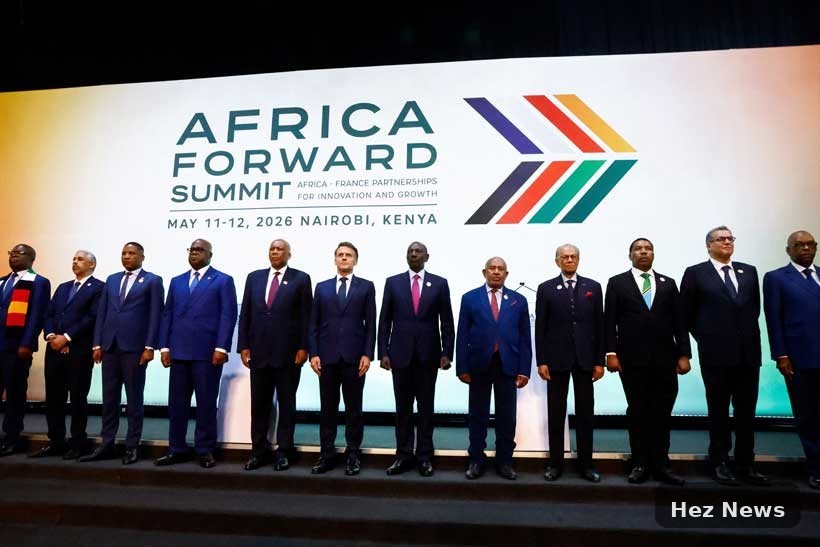
Africa stands at a significant juncture in its relationship with the global community. In recent years, the continent has transformed from being perceived predominantly as a region in need of humanitarian aid to one that is recognized for its rich resources and potential economic contributions.
A Shift in Global Perception
This shift in perception is crucial for Nigeria, Africa's most populous nation and one of its largest economies. Nigeria's strategic position in the continent makes it a key player in redefining Africa's role on the global stage. The nation's wealth in resources, coupled with a young and dynamic workforce, positions it as a competitive force in global politics and economics.
The Economic Landscape
Economic growth in African nations, including Nigeria, has caught the attention of global powers. With investments flowing into various sectors such as technology, agriculture, and renewable energy, the continent is increasingly viewed as a prize rather than merely a recipient of aid. As countries seek to establish partnerships, Nigeria's role will be pivotal in shaping the African narrative.
Strategic Alliances and Partnerships
As the world grapples with challenges such as climate change and geopolitical tensions, Africa's resources become more critical. Nations are forming strategic alliances, particularly in energy and technology, to leverage Africa's potential. For instance, Nigeria's burgeoning tech industry, often dubbed the 'Silicon Valley of Africa', is attracting investors from around the globe, signaling a shift towards collaboration rather than dependency.
Challenges Ahead
Despite the positive outlook, Africa faces significant challenges, including political instability, corruption, and inadequate infrastructure. These issues can hinder progress and must be addressed to ensure that the continent can fully capitalize on its advantages in the global arena. Nigeria, in particular, must navigate these challenges effectively to maintain its leadership role.
A Call for Unity
As African nations work to redefine their global standing, there is a pressing need for unity and collaboration among countries. Initiatives such as the African Continental Free Trade Area (AfCFTA) aim to bolster intra-African trade and cooperation, which is essential for a collective approach to global engagement.
Conclusion
The future of Africa in world politics hinges on its ability to shift perceptions from that of a continent in need to one of opportunity and potential. For Nigeria, this means embracing its role as a leader and innovator, fostering partnerships that promote mutual growth and development. As the world watches, Africa's journey toward a more influential position in global affairs is just beginning.




Leave a Comment