

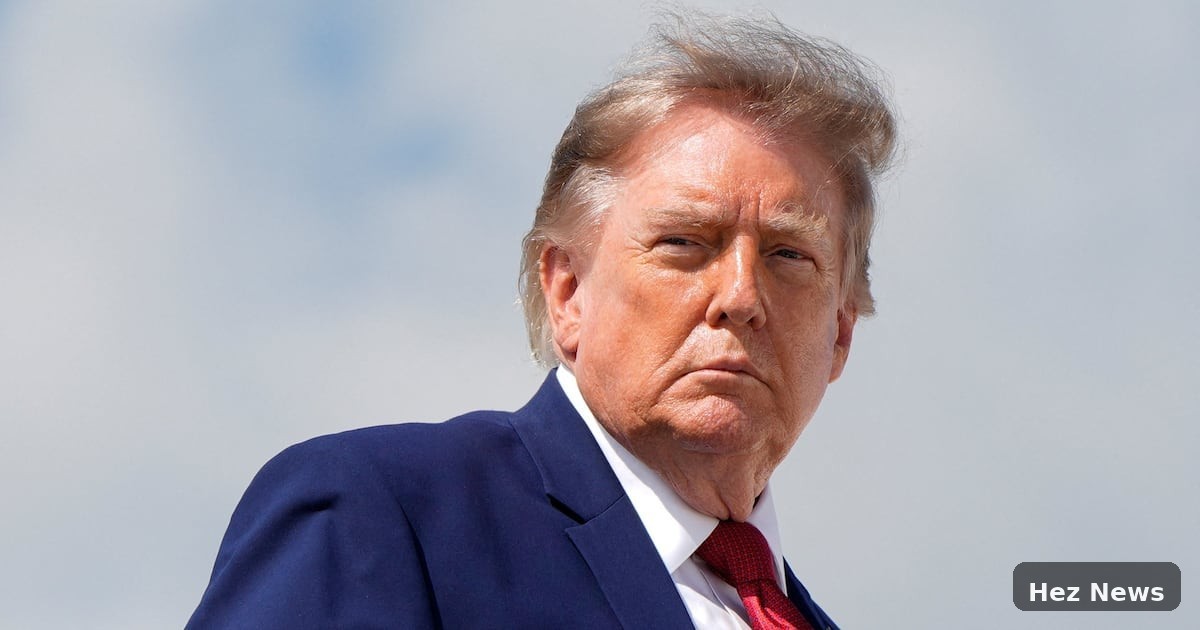
The political landscape is witnessing a shift as the world contemplates the implications of Donald Trump's potential absence from the political arena. While many focus on the immediate effects on the United States, it is crucial to understand how this may resonate across the globe, including in Nigeria.
The Global Context
Saxony-Anhalt, a mid-sized state in Eastern Germany, is often overlooked in international discourse. However, its historical significance dates back to 1517, when Martin Luther's actions sparked the Protestant Reformation, reshaping not just European society but also influencing global politics to this day.
In today's context, Trump's potential exit could evoke similar transformative events, albeit with contemporary challenges. The rise of populism, nationalism, and anti-establishment sentiments globally may find new ground as political dynamics evolve.
Nigeria's Position
Nigeria, Africa's most populous nation, is not insulated from these shifts. As a country striving for democratic consolidation, changes in the U.S. political climate can have ripple effects on Nigerian politics, economics, and international relations.
For instance, U.S. foreign policy toward Nigeria has historically been influenced by the sitting president. A new political paradigm in the U.S. could lead to changes in trade agreements, military cooperation, and responses to issues like terrorism and human rights.
Potential Outcomes
Experts suggest several scenarios that could unfold in the wake of significant political changes in the U.S.:
- Increased Isolationism: A shift toward isolationist policies may lead to decreased engagement with African nations, impacting economic partnerships.
- Shifts in Foreign Aid: Changes in the administration could alter the flow of foreign aid, affecting development projects across Nigeria.
- Influence on Local Politics: The political discourse in Nigeria may become increasingly polarized, mirroring trends observed in the U.S.
Looking Ahead
As the world anticipates what comes next, it is essential for Nigerian leaders and citizens alike to remain vigilant and proactive. Understanding the global political climate can help Nigeria navigate potential challenges and leverage opportunities that may arise from changes in the U.S. political scene.
Ultimately, the fate of Nigeria's political and economic landscape may very well hinge on how effectively it adapts to these global shifts, ensuring it remains a key player on the international stage.




Leave a Comment