

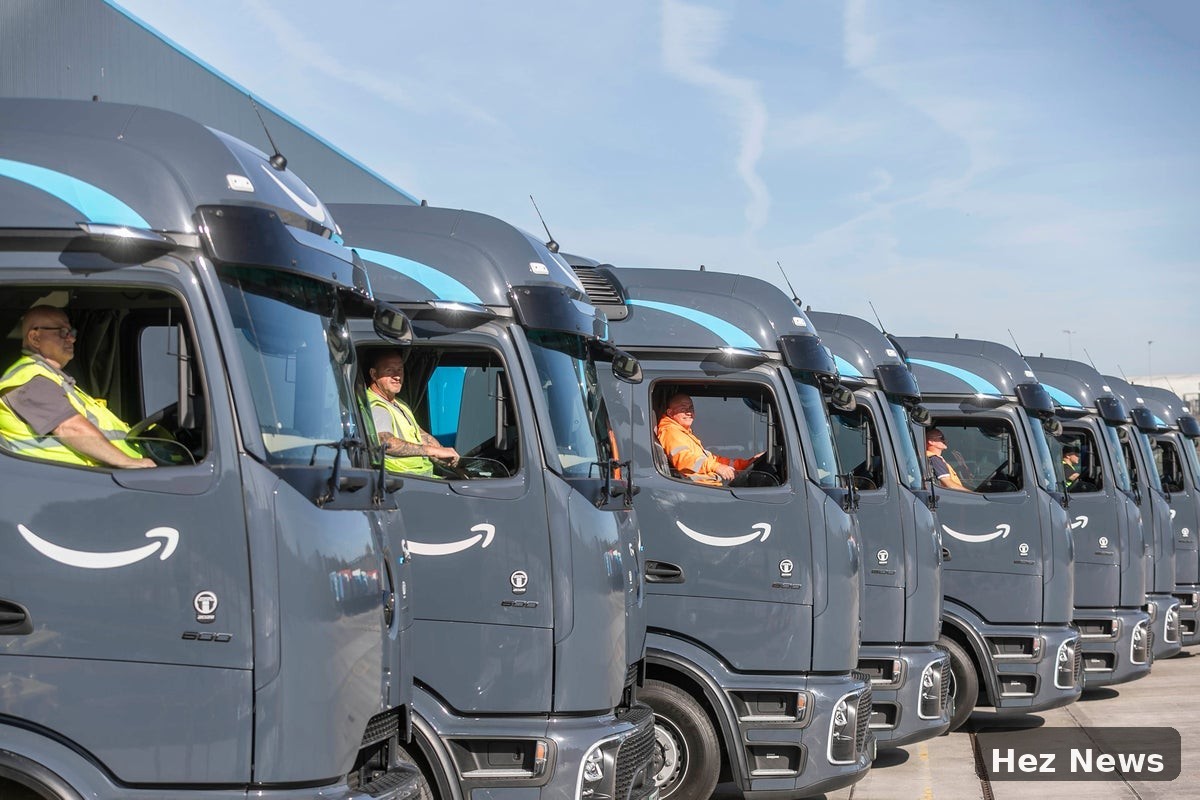
Amazon is taking a bold step in the logistics sector by expanding its shipping services to all businesses, a move that poses a significant challenge to established delivery giants like FedEx and UPS. This strategic decision not only marks Amazon's aggressive entry into the shipping market but also has far-reaching implications for the global logistics landscape.
Impact on the Delivery Market
Traditionally, Amazon relied on its own delivery network and select partners to fulfill shipping needs. However, by opening its shipping services to all business customers, Amazon is set to disrupt the market dynamics that have long favored established players like FedEx and UPS. This shift comes as e-commerce continues to grow rapidly, with more businesses seeking reliable and cost-effective shipping solutions.
Amazon's Logistics Strategy
The decision to offer its logistics services broadly is part of Amazon's larger strategy to streamline its operations and reduce reliance on third-party carriers. By leveraging its extensive logistics network, which includes trucks and air freight capabilities, Amazon can provide competitive pricing and potentially faster delivery times.
For Nigerian businesses, this development could mean more options for shipping goods both locally and internationally. As the e-commerce market in Nigeria continues to expand, the availability of affordable shipping solutions is crucial for many small and medium-sized enterprises (SMEs).
Challenges for FedEx and UPS
FedEx and UPS have dominated the logistics market for decades, but Amazon's entry poses a serious threat. These companies will need to innovate and adapt to maintain their market share. The increasing competition could drive down shipping costs, which would benefit consumers and businesses alike.
Broader Implications for Nigeria
As Nigeria's economy continues to embrace digital transformation, the logistics sector is becoming increasingly important. With Amazon's new strategy, local businesses may find it easier to connect with international markets. This could enhance the growth of e-commerce in Nigeria, allowing local entrepreneurs to reach a wider audience.
Furthermore, improved shipping options could attract foreign investment in Nigeria, as international companies seek reliable logistics partners. The ripple effects of Amazon’s move could potentially reshape the logistics landscape in Nigeria, making it more competitive and efficient.
Conclusion
Amazon's aggressive pursuit of the shipping sector is a clear indication of its intent to dominate the logistics space. For Nigerian businesses, this development presents both opportunities and challenges. As the market evolves, staying informed about these changes will be crucial for businesses looking to thrive in the competitive e-commerce landscape.






Leave a Comment