

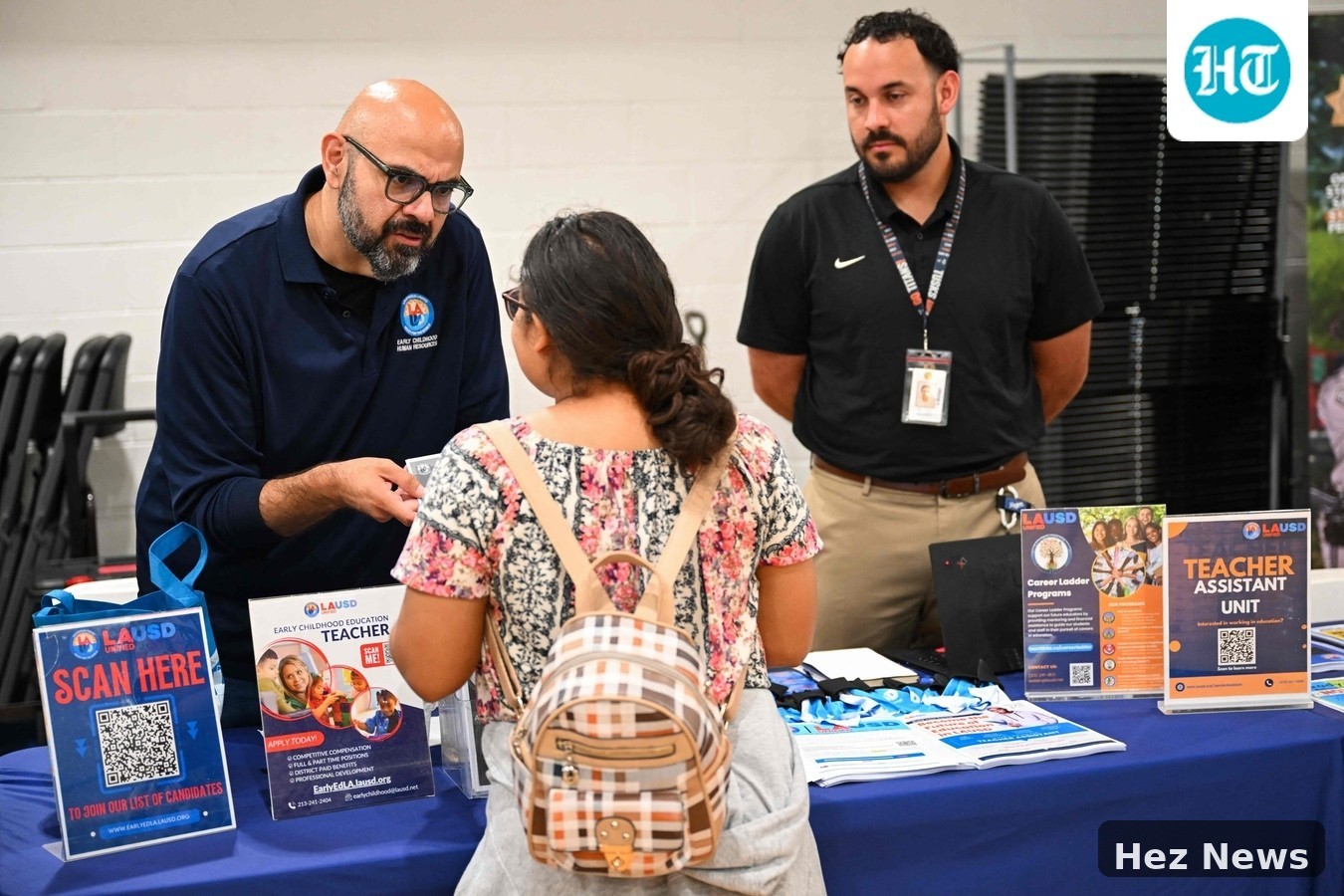
As artificial intelligence (AI) rapidly advances, the question of workforce adaptation looms large, particularly in the United States. The experiences of individuals like Ms. Brady illuminate a broader issue that many workers face: the difficulty of switching careers in a landscape increasingly influenced by AI technologies.
The Impending Job Displacement
According to a report from Goldman Sachs, an estimated 10 million jobs in the U.S. could be at risk of displacement over the next decade due to AI and automation. This potential shift is not just a concern for American workers; it has implications for the global economy, including Nigeria, where the tech sector is burgeoning.
Challenges in Career Transition
For many, transitioning to a new career can be daunting. The process is often complicated by the need for new skills and qualifications. In Nigeria, where the job market is already competitive, this challenge is exacerbated by a lack of resources for retraining and upskilling. As AI continues to evolve, the skills required in various sectors will change, making it crucial for workers to adapt.
The Global Perspective
The impact of AI on jobs is not confined to the U.S. In Nigeria, sectors such as agriculture, finance, and telecommunications are experiencing technological disruptions. As companies implement AI-driven solutions to improve efficiency, workers may find themselves needing to learn new skills to stay relevant in their roles.
Opportunities for Growth
However, this shift also presents an opportunity for growth. As the demand for tech-savvy professionals increases, there is a significant opportunity for educational institutions in Nigeria to prepare the future workforce. Investment in education and training programs focused on technology and AI can help bridge the skills gap and secure jobs for many, both in Nigeria and abroad.
Conclusion
As we look toward the future, it is imperative for both American and Nigerian workers to embrace lifelong learning and adaptability. The challenge of AI-induced job displacement is significant, but with the right training and resources, it can also lead to new opportunities. Countries around the world must prioritize retraining initiatives to ensure that workers are not left behind in this rapidly changing landscape.






Leave a Comment