

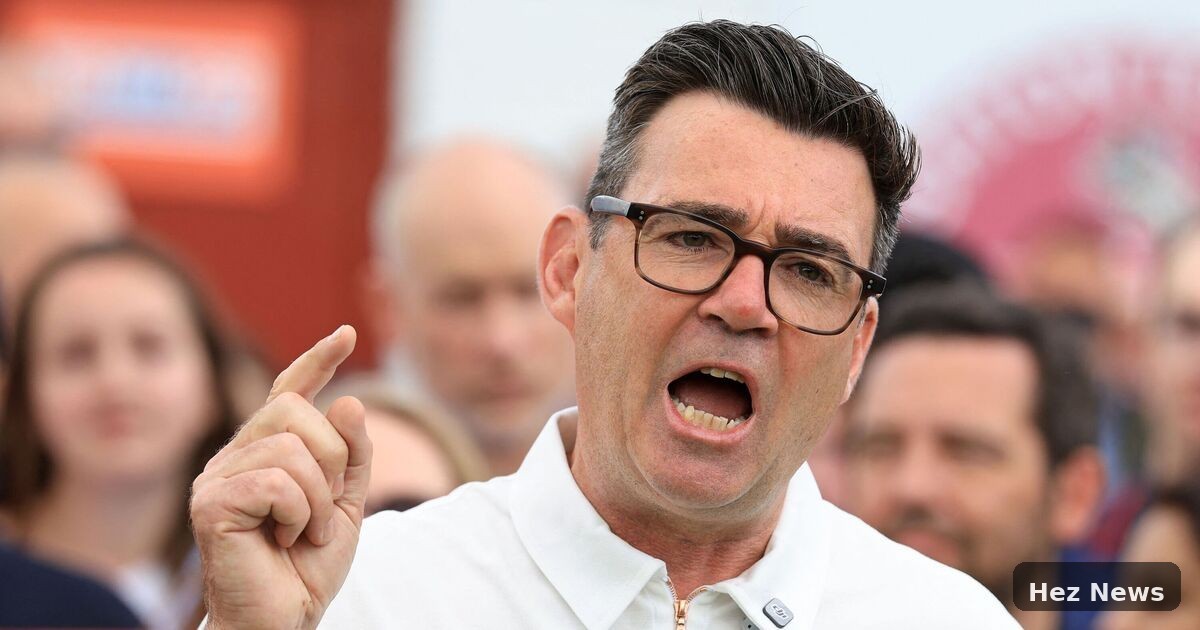
The ongoing controversies surrounding FIFA and its president, Gianni Infantino, have reached a new level of scrutiny as Andy Burnham, the Prime Minister of Greater Manchester, publicly criticized Infantino for his recent proposals regarding the World Cup.
Background on the Controversy
Infantino's plans to attract private investment to manage the World Cup have ignited anger and concern among various stakeholders in the football community. Burnham's remarks come in a period where FIFA's governance has been under intense examination, especially following the fallout from past World Cup scandals.
Many in the football world, including fans and former players, argue that introducing private investment into the World Cup could jeopardize the integrity of the tournament. Burnham stated, "It raises serious questions about the future of our beloved sport and the values it represents." His call for transparency and accountability resonates strongly, particularly in a country like Nigeria, where football is not just a sport but a unifying cultural phenomenon.
Implications for Nigeria
In Nigeria, football is a passion that transcends social and economic barriers. The Nigerian national team, known as the Super Eagles, has a rich history in international competitions. Thus, issues surrounding FIFA's leadership and the governance of major tournaments are of great interest to Nigerian fans.
Furthermore, Nigeria’s football administration has faced its own challenges with governance and financial transparency. The country’s football stakeholders are keenly watching the developments within FIFA, as they may impact the future of Nigerian football, including potential participation in upcoming tournaments and the overall management of the sport.
Burnham's Call for Change
Burnham's comments highlight a growing demand for reform within FIFA. The Prime Minister emphasized the need for a governance structure that prioritizes the sport's integrity over financial gain. He urged stakeholders to unite against what he views as detrimental practices that could threaten the essence of football.
As debates continue, many wonder how FIFA will respond to the criticisms and whether meaningful changes will be implemented. Burnham's outspoken position may inspire others, including Nigerian officials, to voice their concerns and advocate for a reformed approach to football governance.
Conclusion
The controversy surrounding Gianni Infantino's leadership and the future of the World Cup remains a significant topic. As the situation unfolds, it is crucial for football associations worldwide, including Nigeria's, to engage in dialogue that emphasizes integrity, accountability, and the true spirit of the game.



Leave a Comment