

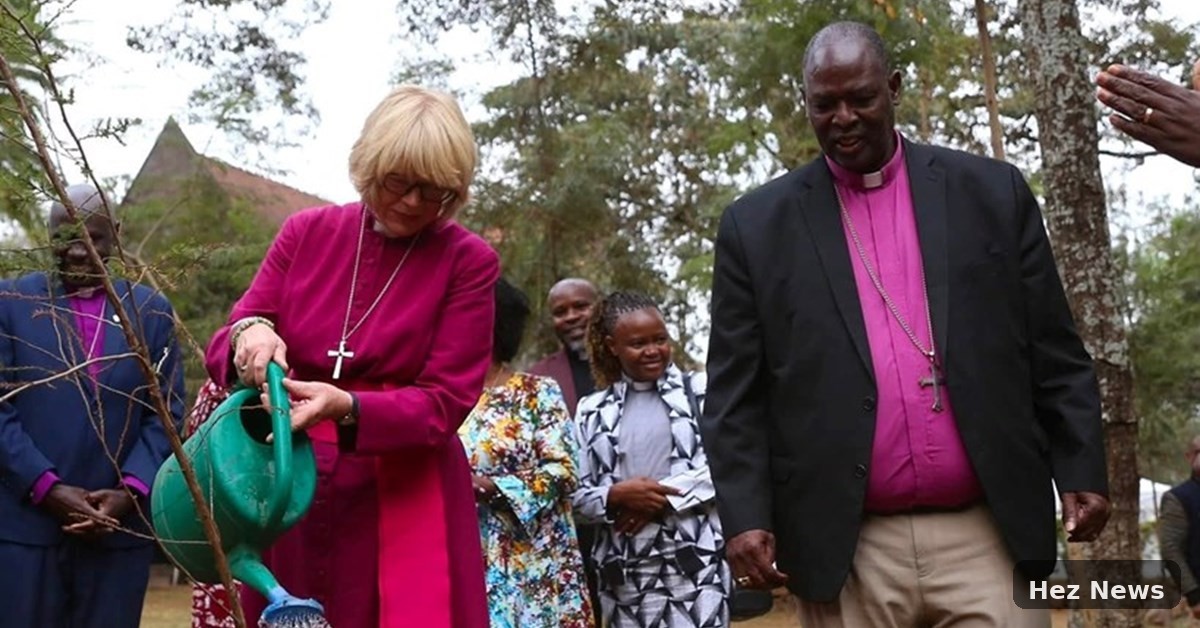
The Archbishop of Canterbury, Justin Mullally, recently visited Nairobi, where he engaged in a significant meeting with the Archbishop of Kenya, the Most Revd Jackson Ole Sapit. This encounter took place over breakfast at the Primate’s official residence on Saturday, symbolizing a commitment to fostering hope and unity within the Anglican Communion.
Tree Planting Ceremony
During the visit, the two archbishops participated in a tree planting ceremony, a gesture meant to signify growth and renewal. This act is particularly poignant in a time when environmental issues and climate change are pressing concerns globally, including within Nigeria.
Strengthening Ties Across the Communion
The meeting comes at a crucial time for the Anglican Church, as different provinces grapple with various challenges. The Archbishop of Canterbury's visit underscores the importance of collaboration and support among member churches, especially in regions facing social and economic difficulties.
For Nigerians, this message resonates deeply. With ongoing challenges such as economic instability and social unrest, initiatives that promote hope and community support are vital. The Anglican Church in Nigeria has been instrumental in addressing these issues through various outreach programs and community service efforts.
Message of Hope and Unity
Archbishop Mullally emphasized the need for the church to serve as a beacon of hope in troubled times. In his address, he highlighted the importance of unity among Christians, stating that collective efforts are essential in overcoming societal challenges. He remarked, 'The church must be a source of strength and hope for its members and the broader community.'
This sentiment was echoed by Archbishop Jackson Ole Sapit, who expressed optimism about the future of the Anglican Church in Africa. He noted that despite the challenges, the church's commitment to social justice and community development remains steadfast.
The Role of Faith in Social Change
The meeting in Nairobi serves as a reminder of the critical role that faith can play in driving social change. In Nigeria, religious leaders often step in to address pressing social issues, providing guidance and support to those in need.
As the Anglican Church continues to navigate the complexities of modern society, initiatives like this visit foster connections that can lead to positive outcomes for communities. The church's ability to adapt and address contemporary issues will determine its impact in Nigeria and beyond.
Conclusion
Archbishop Mullally's visit to Nairobi not only strengthens ties within the Anglican Communion but also serves as a call to action for churches worldwide to be proactive in their communities. As the world grapples with numerous challenges, the message of hope and unity is more important than ever.





Leave a Comment